
Imagine a hidden ecosystem within the human body, teeming with trillions of microorganisms that quietly shape health, digestion, and even mood. This delicate gut microbiome, a cornerstone of well-being, faces an invisible yet pervasive danger: chemical pollutants. From pesticides on produce to industrial compounds in water, these everyday toxins are waging a silent war on beneficial bacteria. This roundup dives into diverse perspectives from researchers, health experts, and industry voices to explore the alarming impact of chemical exposure on gut flora. By gathering a spectrum of insights, the goal is to illuminate the risks, uncover innovative solutions, and spark a broader conversation about safeguarding this vital internal ally.
Exploring the Silent Damage to Microbial Health
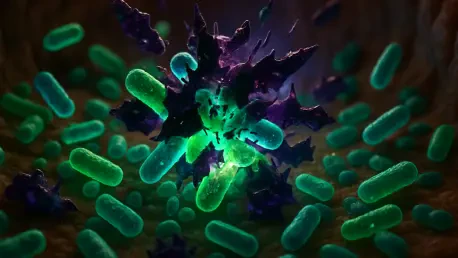
The gut microbiome, often dubbed a “second brain,” plays a pivotal role in immunity, metabolism, and disease prevention. Yet, startling research from academic institutions has revealed how common chemicals—think pesticides, flame retardants, and plasticizers—can stifle the growth of these essential bacteria. Many studies highlight that out of thousands of screened contaminants, a significant number show toxic effects on microbial species. This finding has sent ripples through the scientific community, prompting a reevaluation of how seemingly targeted chemicals can wreak unintended havoc.
Beyond the lab, environmental health advocates emphasize the real-world implications of such findings. Everyday exposure through food, water, and air means that no one is immune to these toxic intruders. The consensus among many in the field is that current safety assessments often overlook microbial impacts, focusing instead on direct human toxicity. This gap in evaluation has fueled urgency to better understand how these pollutants sneak into daily life and disrupt the delicate balance of gut flora.
Diverse Views on Health Impacts and Emerging Risks
Unpacking the Consequences for Human Well-Being
When gut bacteria suffer, the ripple effects on human health can be profound. Nutritionists and health researchers point out strong links between microbial imbalances and conditions like obesity, digestive disorders, and weakened immunity. The disruption caused by chemical pollutants doesn’t just stop at discomfort; it can alter how the body processes food and fights infections. This perspective underscores a growing concern that chronic exposure might be a silent contributor to rising health issues.
In contrast, some public health experts delve deeper into a more alarming angle: the connection between chemical exposure and antibiotic resistance. They argue that as gut bacteria adapt to toxic pollutants, certain strains may develop mechanisms that also shield them against antibiotics. This unintended consequence could complicate treatments for infections, posing a significant challenge to modern medicine. The diversity of health impacts tied to microbial harm paints a complex picture of risk that spans from personal to global scales.
Bridging Science and Solutions with Technology
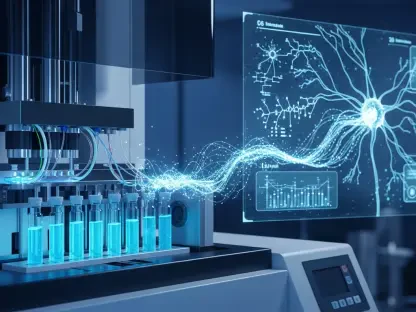
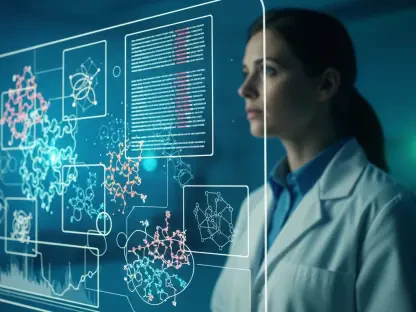
On a hopeful note, tech-driven innovations are emerging as a beacon for safer chemical design. Industry insiders and data scientists describe cutting-edge machine learning tools that predict how new and existing chemicals might harm gut bacteria. Such predictive models could revolutionize how industries approach product safety, ensuring microbial health is prioritized before compounds hit the market. This proactive stance is seen as a game-changer by many in the tech and regulatory sectors.
However, not all voices are equally optimistic about the pace of adoption. Some regulatory experts caution that while these tools hold immense potential, current safety protocols lag behind in integrating such advanced methods. They stress that without swift policy updates, the gap between innovation and implementation could delay protection for microbial ecosystems. This tension between technological promise and regulatory inertia highlights a critical crossroads for chemical safety standards.
Expert Consensus on Rethinking Safety Standards
Across the board, there’s a unified push among microbiome researchers to embed gut health into chemical safety frameworks. Many in academia advocate for updated testing that accounts for the vulnerability of microbial communities, arguing that human health cannot be fully protected without safeguarding these internal allies. Their stance is clear: chemicals must be evaluated not just for direct toxicity but for broader biological disruptions.
Meanwhile, environmental policy advisors offer a complementary view, suggesting that systemic change requires collaboration between scientists, industries, and governments. They propose that public awareness campaigns could empower individuals to reduce personal exposure while larger regulatory shifts take shape. This dual approach—combining grassroots action with top-down reform—emerges as a recurring theme in discussions about protecting microbial health from chemical threats.
Practical Steps and Broader Strategies for Protection
For individuals looking to minimize risks, health educators and environmentalists alike share actionable advice. Simple habits like thoroughly washing fruits and vegetables to remove pesticide residues or opting for organic produce when possible can make a difference. Additionally, reducing personal use of chemical-heavy products in homes and gardens is often cited as a small but impactful step toward lowering exposure.
On a larger scale, industry leaders and regulatory bodies are urged to rethink how chemical safety is defined. Many experts call for mandatory microbiome impact assessments as part of chemical approvals, ensuring that potential harm to gut bacteria is flagged early. This systemic shift, paired with ongoing research into real-world exposure levels, could pave the way for safer environments and healthier populations over time.
Reflecting on a Collective Effort for Change
Looking back, the dialogue surrounding chemical pollutants and gut bacteria revealed a shared alarm among diverse voices, from researchers to policymakers. The health risks, amplified by links to antibiotic resistance and chronic conditions, underscored an urgent need for action. Innovative tools like predictive models offered a glimpse of hope, even as regulatory challenges loomed large. Moving forward, the path seemed clear: blending personal vigilance with industry reform could shield microbial ecosystems. Further exploration into safer chemical practices and deeper studies on exposure impacts stood out as essential next steps to ensure both human and microbial well-being thrived in harmony.