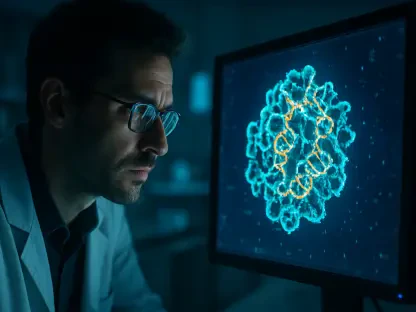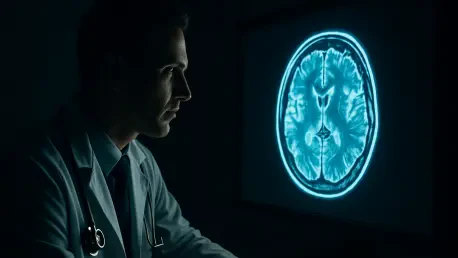

Future efforts will focus on scaling the model across multiple institutions to enhance its predictive robustness and clinical utility in various settings. Imagine a patient undergoing a routine CT scan for an injury, while an invisible digital eye simultaneously identifies signs of chronic kidney disease or early-stage cancer that a human might miss. This concept, known as opportunistic screening, is transforming the way medical imaging is utilized. Researchers at the University of Pennsylvania School of Medicine have introduced “Percival,” a sophisticated artificial intelligence model built to extract life-saving data from standard scans. By looking beyond the primary clinical reason for a scan, Percival acts as an automated safety net. The development of such tools marks a shift toward proactive diagnostics, where every pixel in a medical image is scrutinized for its total health value. The system aims to find what is often hidden in plain sight, ensuring that every imaging procedure provides the maximum possible benefit to the patient.
Building the Foundation of Predictive Imaging
Percival represents a departure from traditional narrow AI, which typically requires a programmer to define a specific target like a single fracture or tumor type. Instead, this system utilizes a foundation built on the Penn Medicine BioBank, a massive repository containing data from over 350,000 individuals. By linking two decades of imaging history with laboratory results and physiological measurements, the model has developed a unique understanding of how visual markers translate into long-term health outcomes. The training phase involved analyzing approximately 400,000 CT scans from 50,000 patients, allowing the software to observe subtle correlations that humans cannot easily perceive. This holistic approach enables the system to recognize early indicators of conditions like atrial fibrillation and liver cirrhosis during scans that were originally intended to check for pneumonia or digestive issues, providing a level of insight that was previously unattainable through standard human review.
The architectural strength of Percival lies in its ability to process multi-modal data streams alongside visual information. Unlike TotalSegmentator, another well-known AI system, Percival showed superior reliability in identifying complex diseases such as pancreatic cancer and bacterial pneumonia. This success stems from its training methodology, which emphasizes broad-model relationships rather than isolated feature detection. By scanning the entire anatomical context of an image, the system identifies anomalies in organs that may not even be the focus of the current examination. This capability transforms routine radiological procedures into comprehensive health assessments without requiring additional radiation exposure or extra time from the patient. This technological leap suggests that the future of diagnostic medicine will increasingly rely on the secondary analysis of existing data to catch silent killers early, effectively turning every routine scan into a comprehensive health screening.
Strategic Implementation: Support Systems and Trials
Despite the impressive diagnostic accuracy displayed in initial trials, researchers are careful to position Percival as a supportive tool rather than a replacement for human expertise. Currently in its preclinical phase, the system serves to alert radiologists to potential issues that might fall outside their immediate focus during a specialized review. The intent is to integrate this computational analysis into established diagnostic pathways to ensure that no critical health signal goes unnoticed. By providing a “second opinion” based on millions of data points, Percival can flag major complications related to the heart and liver before they manifest as acute symptoms. This supportive role is crucial because it allows physicians to prioritize patients who show early, asymptomatic signs of chronic illness. The focus remains on enhancing the accuracy of human interpretation rather than automating the final diagnosis, ensuring that clinical judgment remains at the forefront of patient care.
From 2026 to 2028, healthcare organizations adopted a strategy of incremental integration and standardized reporting for AI-derived insights. Medical centers focused on upgrading their digital infrastructure to support the real-time processing of scans through the Percival framework. Training programs were implemented for radiologists to interpret AI flags within the context of comprehensive histories. Furthermore, regulatory bodies worked to establish clear guidelines for the use of opportunistic screening tools to ensure data privacy and diagnostic consistency. By treating the AI as an essential collaborator in the imaging suite, providers began to realize the full potential of historical and routine data. These actions transformed the standard medical scan into a multi-layered diagnostic event, significantly improving the chances of detecting chronic conditions before they reached advanced stages, thereby establishing a new benchmark for preventive medicine in the modern digital era.