
Intraventricular hemorrhage, a form of bleeding within the brain’s delicate ventricles, represents one of the most significant threats to the long-term health and neurodevelopment of preterm infants. For decades, the standard of care has been largely reactive, identifying brain bleeds only after they have occurred and the initial damage has been done. However, a groundbreaking shift in neonatal critical care is underway, moving away from this reactive posture toward a proactive framework of prevention. This new approach is centered on a comprehensive, multimodal monitoring system that integrates several advanced technologies to create a continuous, holistic view of an infant’s complex physiology. By providing unprecedented insight into the subtle interplay between an infant’s cardiovascular system and brain health, this strategy aims to empower clinicians to detect the earliest warning signs of distress and intervene before a catastrophic and often irreversible brain injury can take place, heralding a new era of neuroprotection for the most vulnerable patients.
A New Paradigm in Neonatal Surveillance
The urgent need for a more dynamic and integrative monitoring strategy stems directly from the inherent limitations of traditional diagnostic tools. While cranial ultrasound has long been a valuable method for visualizing the brain, its primary utility is in identifying a hemorrhage after it has already happened. This reactive nature means that clinical interventions are often aimed at managing the consequences of an injury rather than preventing it. The approach provides only intermittent snapshots of an infant’s condition, failing to capture the continuous, moment-to-moment physiological fluctuations that can precipitate a bleed. The core rationale behind the new, integrated surveillance model is that a single modality is insufficient to manage the multifaceted nature of IVH. Understanding and preventing this condition requires a data-rich, real-time assessment of the entire physiological cascade, from systemic circulation to regional cerebral oxygenation, offering a far more nuanced picture of an infant’s stability and risk profile.
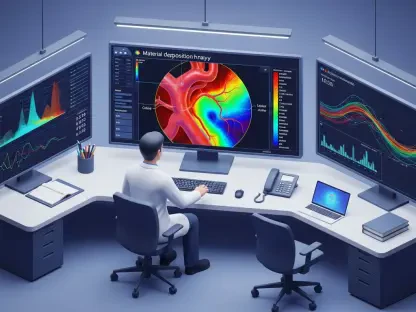
This innovative framework is built upon the synergistic application of three distinct yet complementary non-invasive technologies: echocardiography, near-infrared spectroscopy (NIRS), and electrical cardiometry (EC). The true power of this approach lies not in the individual technologies themselves, but in their combined ability to create a multi-dimensional and comprehensive physiological profile of the at-risk preterm infant. By triangulating data from these sources, clinicians can gain a deeper understanding of the intricate and often fragile relationship between an infant’s cardiovascular performance and cerebral well-being. This integrated model facilitates the identification of subtle, pre-clinical signs of instability that might otherwise go unnoticed, creating a critical window of opportunity for early, targeted interventions. The convergence of these technologies promises to establish a new standard of care where proactive, data-driven decisions can pre-emptively address the physiological instability that leads to severe brain injury.
The Technological Triumvirate in Detail
At the heart of this multimodal system, echocardiography serves as the foundational hemodynamic cornerstone, providing clinicians with an in-depth assessment of cardiac structure, function, and overall circulatory stability. This crucial imaging technique offers vital parameters such as cardiac output and stroke volume, which are essential for understanding the systemic pressures impacting the extremely fragile germinal matrix vasculature of the preterm brain. By visualizing the heart’s anatomy and performance, echocardiography helps establish a direct correlation between systemic circulatory health and cerebral hemodynamics. Complementing this is near-infrared spectroscopy (NIRS), a transformative technology that acts as a direct, non-invasive window into the brain’s real-time condition. NIRS continuously monitors cerebral perfusion and oxygenation at the bedside, providing an immediate value for regional cerebral oxygen saturation (rSO2). This constant feedback is invaluable for detecting an early mismatch between the brain’s oxygen supply and demand, empowering clinicians to make immediate therapeutic adjustments.
Completing this powerful diagnostic trio is electrical cardiometry (EC), a relatively novel yet highly effective tool for the continuous, non-invasive monitoring of cardiac output. This method delivers beat-to-beat data on stroke volume and preload conditions by estimating changes in thoracic bioimpedance as the heart contracts and ejects blood. The principal advantage of EC lies in its completely non-invasive nature, which eliminates the significant risks associated with indwelling catheters, a critical consideration in the delicate and infection-prone preterm population. The integration of this dynamic, continuous stream of EC data with the foundational assessments from echocardiography and the cerebral oxygenation measurements from NIRS creates an exceptionally robust, multi-dimensional hemodynamic profile. This comprehensive picture significantly enriches the clinical understanding of the complex cardiovascular and cerebral interrelationships that define the risk of IVH, allowing for a level of surveillance that was previously unattainable in the neonatal intensive care unit.
Translating Data Into Actionable Insights
Through the meticulous process of data triangulation from these three complementary sources, pioneering research has identified nuanced patterns of circulatory and oxygenation instability that consistently precede overt clinical deterioration. A particularly noteworthy discovery was the strong temporal alignment between subtle fluctuations in cardiac output, as detected by electrical cardiometry, and concurrent shifts in cerebral oxygenation measured by near-infrared spectroscopy. This powerful correlation suggests a direct and potentially causal link between systemic circulatory instability and impending cerebral distress, a relationship that has long been hypothesized but difficult to prove with intermittent monitoring. This ability to identify predictive patterns before a brain bleed occurs is the central diagnostic advantage of the combined approach, moving the clinical focus from damage control to true prevention and offering a more sophisticated understanding of the underlying pathophysiology of IVH.
Beyond its superior diagnostic power, this multisource monitoring strategy holds profound therapeutic implications, paving the way for a fundamental shift toward highly individualized and precise patient management. Armed with this rich stream of real-time hemodynamic and oxygenation data, neonatal care teams can tailor interventions with unprecedented accuracy. Therapeutic decisions, including the administration of fluids, the use of inotropic support to bolster cardiac function, and the fine-tuning of ventilatory settings, can be adjusted dynamically to achieve and maintain optimal cerebral perfusion pressure for each infant. This patient-specific protocol moves far beyond standardized treatment guidelines, promising to mitigate the secondary brain injury that often complicates an initial hemorrhage. By reducing both the severity and the risk of recurrence of IVH, this approach has the potential to substantially improve long-term neurodevelopmental outcomes for these fragile newborns.
Charting the Future of Neuroprotection
The investigation into this integrated surveillance model marked a significant paradigm shift in the field of neonatal neurocritical care. It represented a move away from relying on isolated physiological measurements and toward a holistic cardiovascular and neurophysiologic approach that acknowledges the deeply interconnected nature of systemic and cerebral health. This methodology aligned perfectly with the broader trend toward precision medicine, where enhanced diagnostic granularity directly informs therapeutic customization for the individual patient. The practical and synergistic combination of continuous, non-invasive monitoring from NIRS and EC with the more intermittent but detailed assessments from echocardiography created a dynamic clinical environment that fostered swift, data-driven, and highly informed decision-making.
This pioneering work ultimately opened the door to future advancements, highlighting the immense potential for integrating these rich, multimodal data streams with artificial intelligence and machine learning algorithms. Such advanced computational systems could provide powerful predictive analytics and automated decision support, revolutionizing the neonatal intensive care unit by automating risk stratification and suggesting personalized interventions based on robust physiologic patterns. The ultimate success of this innovation, however, was understood to be measured by its impact on patient-centered outcomes. Subsequent longitudinal studies assessing the neurodevelopmental trajectories of infants monitored with this technique were deemed vital to confirm that this technological leap translated into tangible, lasting improvements in cognitive, motor, and sensory functions, promising a brighter future for preterm infant neuroprotection.