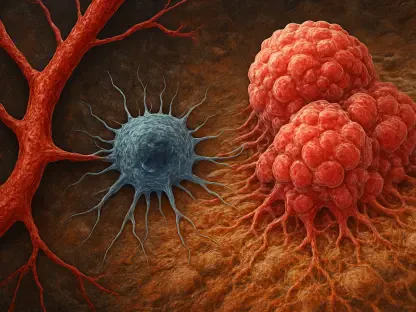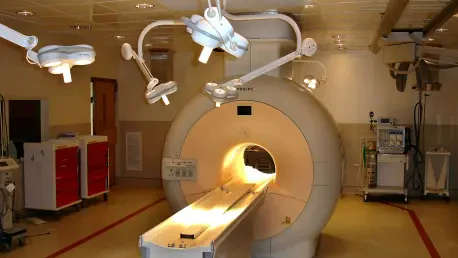

As the fight against cancer intensifies, a promising new advancement in therapy has emerged through a study combining nadunolimab with pembrolizumab. Reported in the journal Investigational New Drugs, the CIRIFOUR trial explored the efficacy of these drugs in patients with solid tumors. This study

In the rapidly evolving field of medical research, a new compound known as DT-109 has emerged as a beacon of hope for patients suffering from heart and liver diseases. Developed at the University of Michigan, this glycine-based compound was initially created to tackle metabolic
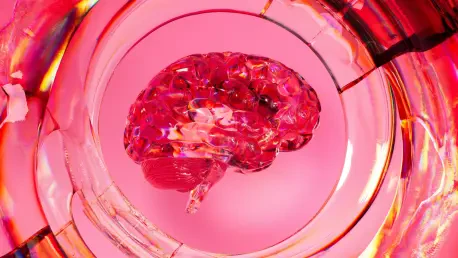
In an era where brain disorders continue to challenge modern medicine, researchers have made a notable advancement that could redefine stem cell therapies. By combining magnetic microrobots with ultrasound stimulation, scientists have created a technology that may offer new hope for conditions like
In a significant stride toward revolutionizing biotechnology, India's Department of Biotechnology (DBT) and the Biotechnology Industry Research Assistance Council (BIRAC) have jointly launched a call for proposals in the dynamic field of Bio-AI. This initiative is an integral part of the nation’s
In an era increasingly defined by scientific breakthroughs, the landscape of cancer treatment is witnessing transformative changes poised to revolutionize patient care. Recent developments, including innovative trials presented at The University of Texas MD Anderson Cancer Center during the AACR
The development of SENTI-202, which leverages engineered chimeric antigen receptor natural killer (CAR NK) cells, signifies a significant advancement in the treatment landscape for relapsed or refractory acute myeloid leukemia (AML). Presented at the American Association for Cancer Research Annual