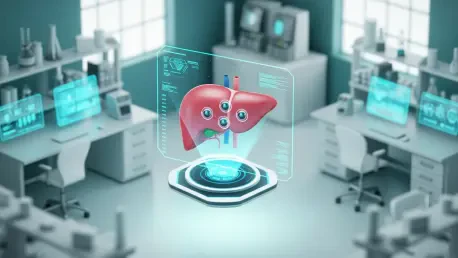
The long-standing clinical assumption that any distant spread of pancreatic ductal adenocarcinoma necessitates an immediate transition to palliative measures is currently being challenged by a revolutionary shift toward aggressive, curative-intent interventions. Historically, a metastatic diagnosis
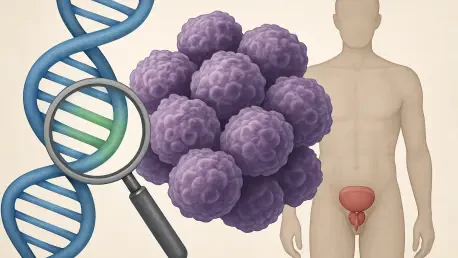
Clinical oncologists have long been haunted by the silent shift that occurs when a patient who was once responding to treatment suddenly sees their tumor markers climb without any obvious external cause. This phenomenon, particularly in advanced prostate cancer, represents one of the most

The human body is not a static reflection of the genetic code inherited at birth but rather a living laboratory of constant "micro-evolution" where cells compete, adapt, and mutate. This internal genetic mosaicism means that every individual is a collection of genetically distinct cell lineages,
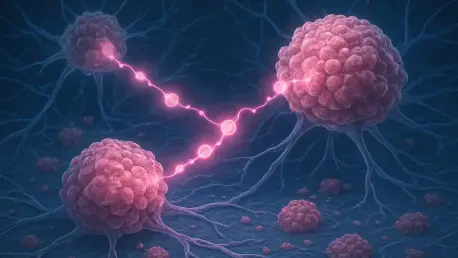
The most formidable barrier to treating aggressive brain cancer may not be the physical skull or the blood-brain barrier, but the cellular invisibility cloak that allows these tumors to ignore the body’s natural defenses. For decades, the primary strategy in oncology has been to train the immune

The transition from curative efforts to palliative management represents one of the most emotionally charged and ethically complex phases in modern oncology. Patients facing an incurable diagnosis no longer view medical interventions solely through the lens of survival statistics but rather through

The meteoric rise of GLP-1 receptor agonists has fundamentally altered the global approach to obesity management, yet the medical community now faces a daunting challenge as patients navigate the "weight loss cliff" that follows the cessation of these powerful pharmaceutical interventions. As