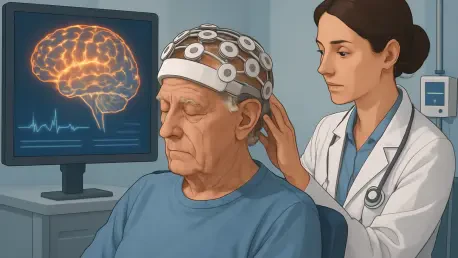
The world stands at a critical juncture as Alzheimer’s disease (AD), the predominant cause of dementia, affects over 40 million individuals globally, with projections estimating a staggering rise to 140-150 million cases by 2050, creating an urgent need for innovative solutions. This relentless
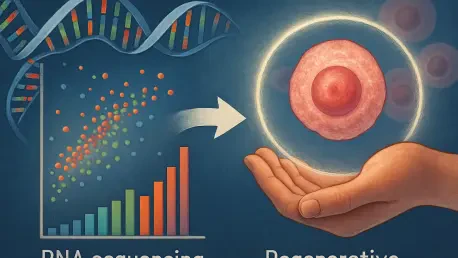
Imagine a world where damaged tissues can be regenerated with pinpoint accuracy, where therapies are tailored to an individual’s unique genetic makeup, and where neurological disorders are treated by targeting the exact molecular missteps. This vision is becoming a reality thanks to a revolutionary

Picture a veteran, a Marine Corps and Army hero like John-Paul Sager, sitting in a small-town clinic just miles from home, yet unable to get treatment for chronic pain without wading through a swamp of paperwork and approvals. Across the nation, thousands of veterans face this reality, driving past

In a nation where thousands of lives hang in the balance awaiting organ transplants, the U.S. system has long been plagued by systemic failures that have eroded public confidence. Reports of operational flaws, lack of accountability, and even shocking practices—such as initiating organ donation
Imagine a vast library of genetic information where countless pages, once dismissed as irrelevant scribbles, suddenly reveal hidden messages critical to understanding human health. This is the reality scientists are confronting as they delve into the genome's so-called "junk DNA," regions long
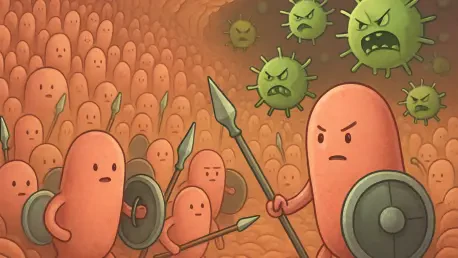
Imagine a hidden battlefield within the human body, where trillions of microscopic organisms wage a constant war for dominance, directly impacting health and well-being in ways science is only beginning to understand. The gut, often referred to as the body's second brain, hosts a complex ecosystem