
As global healthcare systems grapple with the dual pressures of aging populations and rising costs, the emergence of integrated digital health ecosystems is no longer a luxury but a fundamental necessity for sustainable medical care. At the center of this transition, the Taipei City Government has

Evidence from a clinical validation cohort of 30 participants confirms that PTCHD1 expression levels are significantly lower in patients with degenerative tendon conditions. This revelation marks a pivotal shift in the medical community's understanding of tendinopathy, a condition that has long

The use of liquid biopsies for rapid genomic analysis provides a vital alternative for frail pediatric patients who cannot survive the trauma of traditional invasive diagnostic procedures. Recent breakthroughs in pediatric oncology at Addenbrooke’s Hospital have fundamentally changed the approach
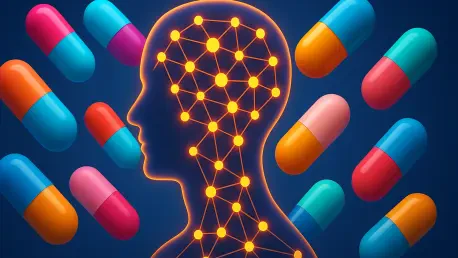
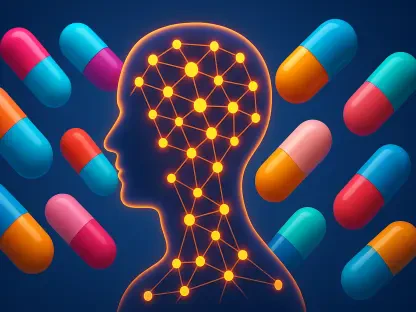
Genetic mapping of 10,000 Singaporeans reveals that nearly every citizen carries at least one genetic variant that negatively interacts with specific prescription medications. This startling statistic underscores a fundamental flaw in the traditional "one-size-fits-all" model of medicine, which has
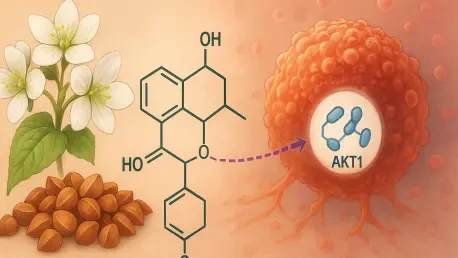
The inherent phototoxicity and potential carcinogenicity of natural fagopyrine require chemical engineers to modify the molecule before it can be considered for human trials. This reality underscores the dual nature of natural compounds: while they offer a rich library of chemical structures
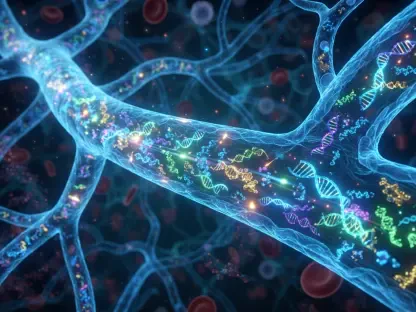
Researchers are increasingly moving beyond isolated DNA sequences to integrate transcriptomics and proteomics into a holistic multi-omic framework for understanding complex biological systems. This monumental shift reflects the maturation of a field that, only a short time ago, was characterized by
1 2 3 4 5 6 7 8 9 10 11 12 13 14 15 16 17 18 19 20 21 22 23 24 25 26 27 28 29 30 31 32 33 34 35 36 37 38 39 40 41 42 43 44 45 46 47 48 49 50 51 52 53 54