
The evolution of Hims & Hers Health, Inc. from a provocative telehealth startup specializing in stigmatized conditions into a globally recognized cornerstone of the modern medical infrastructure represents one of the most successful corporate pivots in the digital health era. By early 2026, the

As the field of preventive healthcare continues to evolve toward a more proactive model, many individuals are moving away from traditional reactive medicine in favor of specialized platforms that focus on extending the period of life spent in optimal physical and mental condition. This shift is
The current technological landscape is witnessing a massive transformation as Apple systematically dismantles its long-standing reliance on external partners to forge a path of total hardware and software autonomy. This strategic pivot is most visible in the recent unveiling of the M5 chip
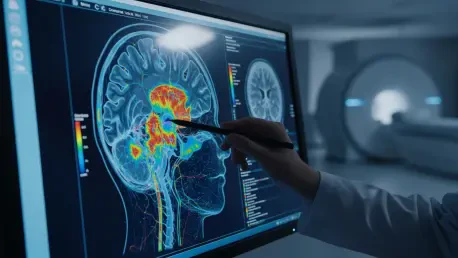
The intricate landscape of the human brain often hides the earliest whispers of neurodegeneration long before a patient ever experiences their first moment of profound or disorienting forgetfulness. Identifying these microscopic shifts has traditionally relied on clinical observation, yet a
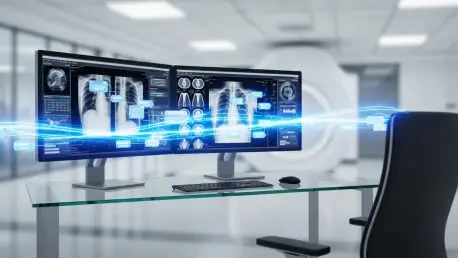
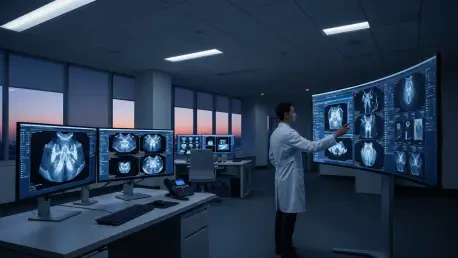
The global healthcare landscape is currently grappling with a profound imbalance between the rapidly increasing demand for medical imaging and the dwindling supply of specialized radiologists capable of interpreting these complex data sets. In a transformative move to address this crisis, RadNet,

The long-standing medical reliance on invasive spinal taps and multi-million dollar imaging suites to decode the mysteries of the human brain is finally being challenged by a simple vial of saliva. For decades, the medical community operated under the assumption that the most sensitive data