The subtle transformation of a single protein’s physical structure within the human circulatory system may hold the definitive key to identifying Alzheimer’s disease years before the first signs of cognitive decline begin to surface in a patient. While the medical community has long focused on the
The landscape of preventative oncology is undergoing a seismic shift as clinical data from 2026 reveals that prostate cancer screening protocols have finally closed the efficacy gap with breast cancer mammography. For decades, the medical community viewed these two diagnostic pathways through

For centuries, the microscopic blood fluke has silently compromised the health of millions, weaving itself into the very fabric of rural life through contaminated water and elusive host snails. While mass drug administration has successfully pushed schistosomiasis to the brink in many regions, the

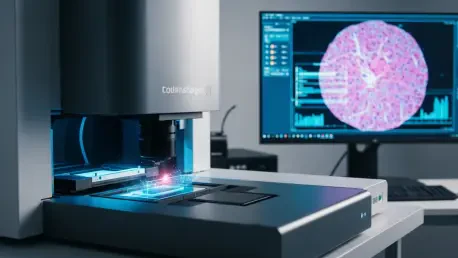
The current landscape of oncological care often hits a diagnostic ceiling where genomic sequencing reveals potential mutations but fails to predict which specific therapies will actually trigger a biological response in an individual patient. This gap in clinical knowledge remains a primary

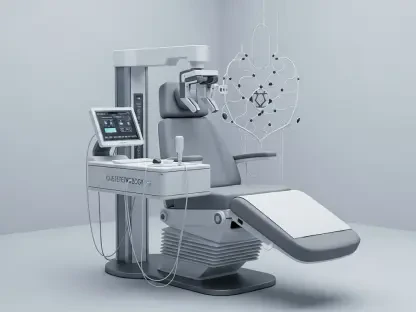
The clinical examination room has long been considered the final frontier for artificial intelligence, a space where the unpredictable nature of human illness meets the rigid logic of computational code. For decades, the prospect of a machine diagnosing a patient was confined to science fiction or

The integration of artificial intelligence into the complex fabric of modern medical infrastructure has moved far beyond the realm of theoretical research to become a primary driver of clinical decision support. However, this rapid evolution has encountered a formidable bottleneck known as the