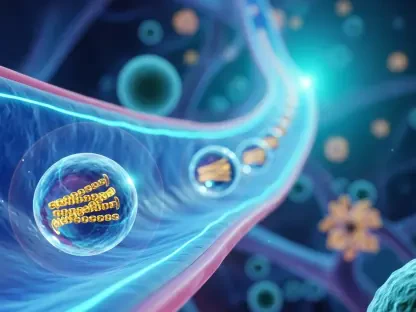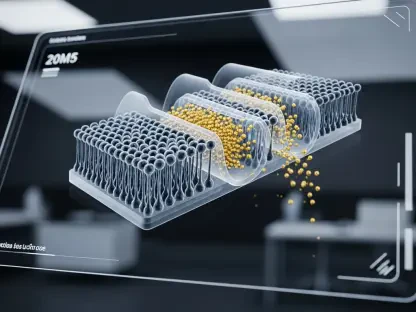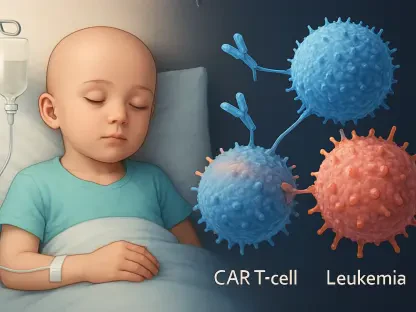

The landscape of Chimeric Antigen Receptor T-cell (CAR-T) therapies is witnessing rapid evolution as emerging companies introduce innovative solutions to overcome existing challenges. These therapies, which involve genetically engineering a patient’s T cells to target cancer cells, have shown

Natural Killer (NK) cell therapy, once a promising beacon for cancer treatment, is now being repositioned as a potential game-changer in the management of autoimmune diseases. Biotech companies, like Artiva Biotherapeutics, are shifting their focus to explore the untapped potential of NK cell

The recent breakthrough in CAR T-cell manufacturing is nothing short of revolutionary. Researchers from the Critical Analytics for Manufacturing Personalized-Medicine (CAMP) Interdisciplinary Research Group (IRG) at the Singapore-MIT Alliance for Research and Technology (SMART), in collaboration
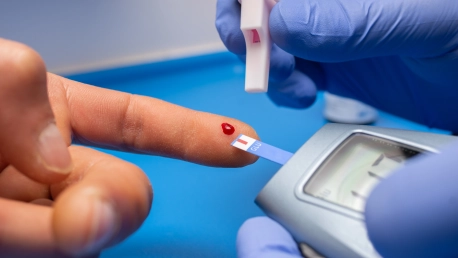
Recent clinical advancements by PolTREG, a pioneering Polish biotechnology company, have cast a hopeful light on the treatment of type-1 diabetes (T1D). The company's breakthrough Treg therapy, PTG-007, has shown great promise in fundamentally altering the management of this autoimmune disease. T1D

The field of cell therapy, initially heralded as a revolutionary frontier in biotechnology, is now grappling with considerable hurdles that threaten its progress and market penetration. Known for pioneering treatments like CAR-T cell therapy, which modifies a patient's T-cells to combat cancer more

In the rapidly advancing field of nuclear radiation therapy, a groundbreaking treatment is emerging, promising to redefine the landscape of medical response to nuclear events. Financed by the backing of a weighty $4.2 million agreement with the National Institute of Allergy and Infectious Diseases