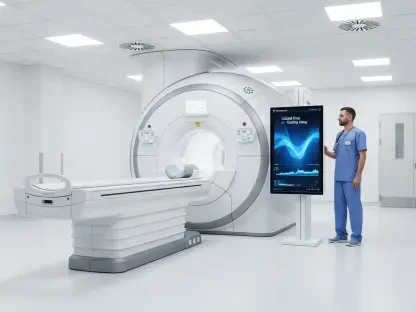
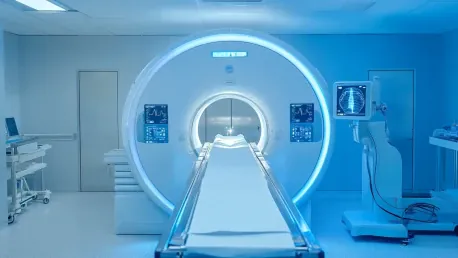
In the midst of technological advancements, medical imaging tests like X-rays, MRIs, mammograms, and CT scans have become indispensable tools in modern diagnostics; however, questions about the safety and health risks associated with these tests frequently emerge. Radiation exposure is a common

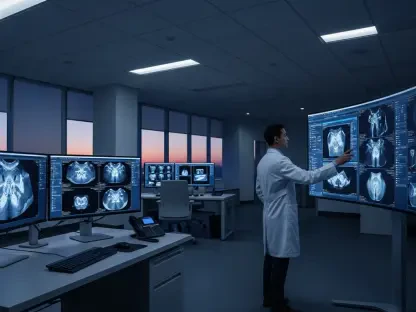
In a groundbreaking study published in JAMA, researchers from Mass General Brigham have demonstrated the potential of artificial intelligence (AI) to revolutionize patient screening for clinical trials. The study, led by co-senior authors Samuel (Sandy) Aronson and Alexander Blood, focused on a

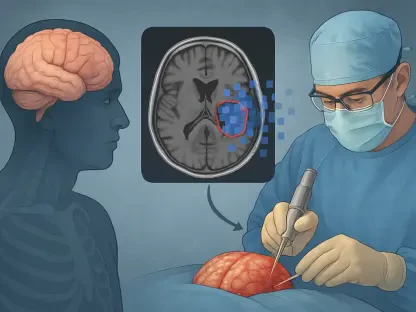
AI is revolutionizing precision and personalized oncology care by enabling more accurate diagnoses, predicting patient outcomes, and tailoring treatments to individual needs. Through advanced algorithms and machine learning, AI can analyze vast amounts of data, including medical records, genetic

The recent FDA Fast Track designation for BR55, developed by Bracco Imaging, marks a significant milestone in the diagnostic imaging industry. This novel molecular imaging ultrasound contrast agent specifically targets vascular endothelial growth factor receptor 2 (VEGFR2), a receptor highly

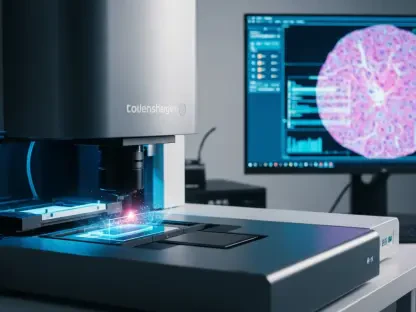
Researchers at the University of Kentucky have pioneered a groundbreaking microscopy technique that may offer an affordable and effective way to study cancer cell metabolism. This innovative method, which focuses on observing metabolic reprogramming within cancer cells, has the potential to

Prostate cancer screening has long relied on blood tests, MRIs, and biopsies, each carrying its own set of drawbacks, such as causing discomfort and leading to the overdiagnosis of low-grade cancers that might not pose significant health risks. These traditional approaches, while effective in