
Ivan Kairatov is a distinguished biopharma expert whose career has been defined by a commitment to bridging the gap between cutting-edge technology and real-world patient outcomes. With extensive experience in research and development, Kairatov has spent years navigating the complexities of drug delivery systems and the evolving landscape of oncology. In this discussion, we explore the landmark MHRA approval of Sanofi’s Sarclisa, which introduces the first on-body injector for anti-cancer therapy in the United Kingdom. Our conversation centers on the revolutionary shift from hospital-bound infusions to home-based subcutaneous injections, the clinical evidence supporting this transition, and the resulting benefits for both the national healthcare infrastructure and the quality of life for those battling complex blood cancers.
How does the transition from traditional intravenous infusions to an automated delivery system fundamentally change the patient experience for those with multiple myeloma?
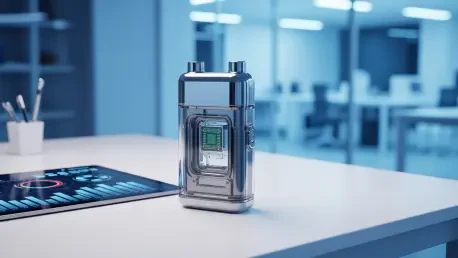
The shift from hours-long intravenous infusions to a median duration of just 13 minutes represents a seismic change in how we approach the management of multiple myeloma. For many years, patients have been tethered to clinic chairs for long stretches, enduring repetitive and exhausting visits that disrupt their daily lives and emotional stability. By introducing subcutaneous delivery via an on-body injector, we are essentially handing precious time back to the patient while reducing the physical toll of the treatment. This innovation allows for a level of flexibility and convenience that was previously unthinkable in the oncology space, offering the option for administration in a comfortable home setting. It is a prime example of how patient-centered innovation can alleviate the heavy burden placed on both the individuals and the families who support them throughout their journey.
What specific clinical evidence supports the effectiveness of this subcutaneous formulation compared to the established intravenous standard?
The regulatory confidence in this new delivery method is anchored firmly in the results of the pivotal IRAKLIA phase 3 study, which focused on patients with relapsed or refractory multiple myeloma. This study was instrumental in demonstrating the non-inferiority of the subcutaneous formulation when compared directly to the traditional intravenous route. Beyond just meeting these rigorous efficacy benchmarks, additional data indicated that the automated 13-minute injection was met with favorable levels of patient comfort and satisfaction. It is a rare and significant achievement in pharmaceutical development where the clinical outcomes remain robust while the physical experience of receiving the medication becomes significantly less invasive. This dual success ensures that clinicians can prescribe this faster method without feeling they are compromising on the drug’s ability to fight the disease.
In what ways does the introduction of on-body injectors for cancer therapy help address the current challenges facing the healthcare system?
Integrating this technology directly supports the strategic goals of the NHS Ten Year Plan and the National Cancer Plan by using innovation to transform how services are delivered to the public. Currently, healthcare systems are under immense pressure, and moving complex oncology treatments out of crowded hospital wards can free up vital staff and resources for other urgent needs. By allowing for administration through an automated on-body injector in an outpatient or home environment, we are seeing the practical realization of a more efficient, decentralized healthcare model. This approach reduces the logistical strain on clinics while ensuring that high-quality care is still being delivered effectively. Ultimately, it creates a more resilient infrastructure that can better manage the growing complexities of hematological diseases in an aging population.
What is your forecast for the future of oncology drug delivery?
I anticipate a rapid acceleration toward a “device-as-a-service” model where the distinction between a life-saving drug and its delivery mechanism becomes virtually inseparable. The UK’s decision to lead the world with the approval of an on-body injector for Sarclisa will likely serve as a catalyst for other biopharma companies to redesign their portfolios for subcutaneous and automated use. We are moving toward a future where the oncology clinic is no longer a site for routine administration, but rather a specialized hub for high-intensity intervention and complex diagnostics. This shift will empower patients to take a more active role in their care from the comfort of their homes, making chronic cancer management feel less like a clinical ordeal and more like a manageable part of everyday life. As technology continues to mature, we will see even more therapies adapted for these user-friendly formats, further humanizing the experience of modern medicine.