
The human heart remains one of the few organs incapable of mounting a successful self-repair response following a major traumatic event like a myocardial infarction. While the liver can regrow and the skin heals seamlessly, the adult mammalian heart typically responds to injury by producing stiff, non-contractile scar tissue. This fundamental limitation has puzzled cardiologists for decades, as it leads directly to the chronic burden of heart failure. The central challenge lies in understanding why adult heart muscle cells, or cardiomyocytes, lose their ability to divide and regenerate shortly after birth.
The core of the issue involves a persistent question regarding how individual cardiomyocytes differ in their response to regenerative stimuli. Not every cell in the heart behaves identically; some may be predisposed to repair, while others are fixed in a terminal state of dysfunction. To unravel this mystery, scientists had to move away from general observations and focus on the specific biological nuances of individual cells. This shift in focus is critical because the secret to heart repair likely resides in a tiny fraction of cells that possess unique capabilities, which are often overlooked in traditional studies.
Consequently, research has undergone a major transition from studying “average” tissue behavior to understanding the specific protein expressions of individual cells. By focusing on the proteome—the complete set of proteins produced by a cell—researchers can see the functional reality of cellular life. While genes provide the blueprint, proteins are the actual workers that carry out cellular tasks. Mapping these proteins at a single-cell level allows for a high-resolution view of the heart’s hidden regenerative potential, identifying the exact drivers that could one day restore full cardiac function to a damaged heart.
The Evolution of Cardiovascular Research: The Single-Cell Frontier
Cardiovascular research has historically been limited by traditional bulk analysis methods, which effectively treat the heart as a uniform biological soup. By grinding up tissue samples and averaging the protein levels across millions of cells, scientists frequently missed the subtle nuances that define health and disease. This “averaging” effect acted as a significant barrier to understanding why some cells attempt to regenerate while others succumb to fibrosis. The inability to distinguish between different cell types meant that the most promising regenerative signals were often drowned out by the noise of the surrounding tissue.
Within this context, the Myc transcription factor emerged as a known but poorly understood driver of heart recovery. Previous studies suggested that activating Myc could stimulate some level of repair, yet the results were inconsistent and the mechanisms remained opaque. Researchers knew that Myc could influence gene expression, but they lacked the tools to see how it affected the proteome of individual heart cells. Moving beyond genomics to functional proteomics became a necessity for developing effective heart failure treatments, as the actual protein output determines whether a cell will successfully divide or remain static.
This technological frontier represents a major leap in precision medicine. By shifting the focus toward individual cellular responses, the scientific community can finally address the cellular heterogeneity that defines complex organs. This approach is not only relevant for cardiology but also provides a template for tackling other diseases where cellular diversity plays a key role. Understanding how proteins fluctuate within a single cell allows for the identification of the specific metabolic and structural changes required to transition a cell from a damaged state to a regenerative one.
Research Methodology, Findings, and Implications
Methodology
The research team developed a sophisticated three-pillar approach to capture the complexity of the heart at the resolution of a single cell. This began with the implementation of optimized cardiomyocyte isolation protocols, ensuring that individual cells remained intact and their protein structures were preserved for analysis. Subsequently, state-of-the-art mass spectrometry was utilized to detect and quantify proteins in minute quantities that were previously invisible to scientific instruments. This combination of mechanical precision and chemical sensitivity was essential for generating a reliable dataset from microscopic biological samples.
To interpret the massive amount of data produced, the researchers employed innovative bioinformatics and mathematical models. These statistical algorithms were designed to separate meaningful biological signals from the inherent “noise” of single-cell analysis. By refining these computational tools, the team could accurately track how protein levels shifted in response to specific stimuli. This allowed for a transition from simply identifying which genes were active to quantifying the actual proteins performing cellular work, providing a far more accurate reflection of the functional state of each cardiomyocyte.
Moreover, the methodology involved a rigorous validation process to ensure the findings were applicable across different physiological conditions. By comparing stimulated cells with control groups, the researchers established a baseline for healthy protein expression. This systematic approach allowed them to isolate the specific changes induced by the Myc factor, providing a clear view of the regenerative process. The integration of high-resolution imaging and advanced computation created a robust framework that could be adapted for a wide range of biological inquiries.
Findings
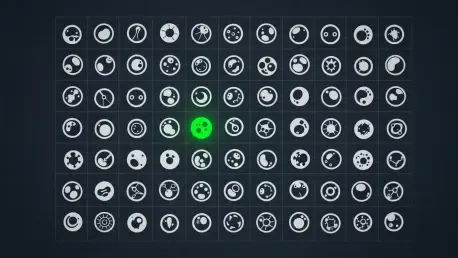
The single-cell proteomic analysis revealed that the Myc transcription factor does not act as a uniform switch but instead creates a “mosaic” of diverse cellular responses. Rather than forcing every cell into a regenerative state, Myc influenced individual cardiomyocytes in varied ways, with some cells showing significant changes and others remaining relatively dormant. This discovery explains why previous bulk studies failed to identify a consistent regenerative mechanism, as the most important changes were happening in a specific subpopulation of cells.
A critical discovery was the identification of a specific subpopulation of cells characterized by “cellular immaturity” and a pro-regenerative protein fingerprint. These cells appeared to revert to a state similar to that of a developing heart, which is naturally capable of rapid growth and repair. Furthermore, the researchers identified distinct metabolic shifts in these individual cells that signaled a transition toward a regenerative state. These changes in energy production and nutrient utilization are essential for supporting the intense biological activity required for cell division and tissue rebuilding.
The study also highlighted how these metabolic signatures serve as early warning signs of a cell’s regenerative potential. By mapping these shifts, the team was able to identify which cells were most likely to contribute to heart repair. This high-resolution map of the proteome provides the first clear evidence that the heart’s capacity for self-fixation is not lost entirely in adulthood but is instead sequestered within specific cellular outliers. These findings fundamentally change the understanding of how cardiac tissue can be manipulated to heal itself.
Implications
Identifying these specific protein fingerprints allows for the development of targeted therapies designed to “reprogram” damaged heart tissue. Instead of treating the heart with broad-spectrum drugs that affect all cells, future interventions can be tailored to activate the regenerative subpopulation identified in this study. This precision medicine approach has the potential to significantly reduce the global burden of heart failure by restoring lost muscle mass and improving overall cardiac output. Such treatments could one day replace the need for invasive procedures or heart transplants.
The societal impact of this research extends beyond the clinic, as it offers a new pathway for reducing healthcare costs associated with chronic heart disease. By providing a roadmap for restoring heart function, this technology enables patients to lead longer, more productive lives. Furthermore, the technological framework established in this study can be adapted for breakthroughs in other fields, such as oncology and neurodegenerative disease research. Understanding single-cell proteomics in the heart provides a blueprint for studying how individual neurons or cancer cells respond to treatment.
Ultimately, these implications suggest a future where medicine is increasingly focused on the unique characteristics of individual cells. The ability to quantify the proteome at this level of detail removes the guesswork from drug development and allows for more effective, personalized treatments. As the scientific community continues to explore these pro-regenerative fingerprints, the possibility of fully reversing heart damage becomes a tangible reality. This study serves as a vital bridge between high-level technological innovation and practical, life-saving medical applications.
Reflection and Future Directions
Reflection
The technical hurdles involved in analyzing microscopic protein quantities were immense, necessitating a high degree of interdisciplinary collaboration between biologists, chemists, and data scientists. This project successfully removed a major “blind spot” in cardiology by directly addressing the issue of cellular heterogeneity, which had previously obscured the mechanisms of heart repair. The realization that the heart’s regenerative capacity depended on specific cellular outliers, rather than the majority population, forced a significant reassessment of long-held theories in cardiovascular biology.
By focusing on the proteome rather than the genome, the researchers gained a more functional understanding of how cells actually operate during the recovery process. This shift in perspective was instrumental in identifying the “immaturity” state that appears to be the key to regeneration. The study proved that looking at the average behavior of a tissue was no longer sufficient for solving the most complex problems in modern medicine. Instead, the path forward required an embrace of the diversity and complexity inherent in every living cell.
Future Directions
Future research efforts focused on the specific biological triggers that allowed certain cardiomyocytes to maintain their “immaturity” state. Scientists sought to uncover the environmental and chemical cues that could sustain this regenerative potential over longer periods. There was a concerted push to develop new drug candidates that could precisely mimic the protein signatures identified in the study, effectively tricking damaged cells into a state of repair. These potential therapies aimed to provide a non-invasive way to stimulate heart muscle regrowth in patients suffering from chronic conditions.
In addition to drug development, longitudinal studies were initiated to observe how single-cell proteomic signatures evolved during the long-term recovery process. Researchers wanted to understand if the regenerative state was permanent or if the cells eventually reverted to a non-dividing state. These investigations provided critical data on the stability of the repair process and helped refine the timing of clinical interventions. The ongoing exploration of these single-cell maps continued to offer new insights into the fundamental limits and possibilities of human biology.
A New Era for Regenerative Medicine: Cardiac Health
Mapping the first single-cell heart proteome represented a definitive turning point in the field of regenerative medicine, marking the end of the “bulk analysis” era. This project provided the necessary roadmap for clinicians to move beyond symptom management and toward the actual restoration of cardiac function in millions of patients. It demonstrated that the tools of precision proteomics were sufficient to decode the most complex cellular behaviors, offering a new level of hope for those with heart disease.
The significance of these findings extended far beyond the laboratory, as the transition from high-level technological innovation to practical medical applications occurred with remarkable speed. By identifying the specific protein fingerprints of regenerative cells, the study gave researchers a clear target for future therapies. This focus on individual cellular outliers ensured that no potential pathway for healing was ignored, paving the way for a more comprehensive approach to cardiac care.
In the end, the study solidified the role of proteomics as a cornerstone of modern medical research. It showed that understanding the functional state of a cell was the only way to truly grasp its regenerative potential. This journey from mapping proteins to saving lives highlighted the power of persistence and innovation in the face of one of medicine’s greatest challenges. The era of precision heart repair began with this single, high-resolution map, changing the future of cardiac health forever.