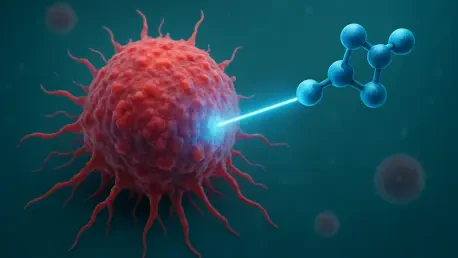
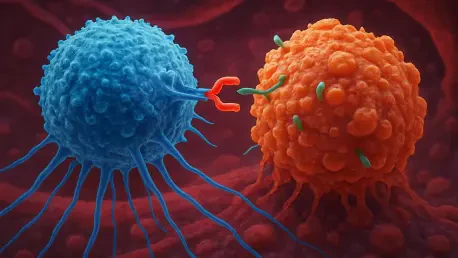
What if a cancer diagnosis no longer meant waiting weeks or months for a life-saving treatment, but instead, a solution could be engineered directly within the body in mere days? This isn’t science fiction—it’s the promise of in vivo CAR T cell therapy, a cutting-edge approach that could redefine
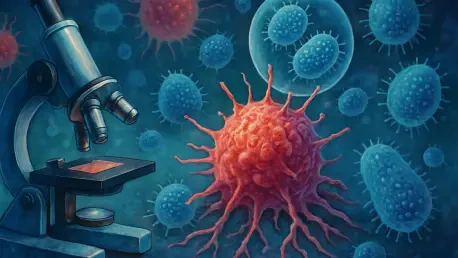
In the rapidly advancing realm of cancer research, a transformative study from the University of East Anglia (UEA), recently published in Science Translational Medicine , has captured significant attention with its exploration of the microbial world within tumors. This research delves into whether
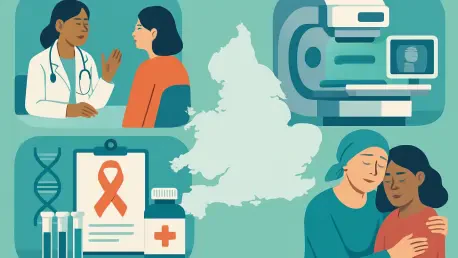
England faces an unprecedented public health challenge as projections indicate a staggering 6.3 million new cancer diagnoses by 2040, effectively doubling the current rate and resulting in a new case every two minutes, driven by an aging population and lifestyle factors such as smoking and obesity.
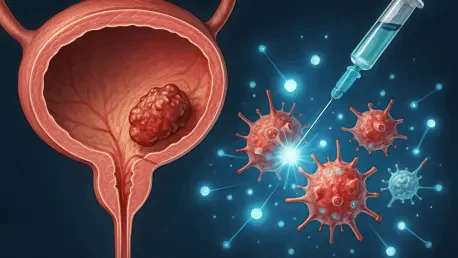
In a landscape where advanced bladder cancer has long posed a formidable challenge to patients and healthcare providers alike, a new beacon of hope emerges with a groundbreaking treatment combination recently recommended by the National Institute for Health and Care Excellence (NICE) in the UK.
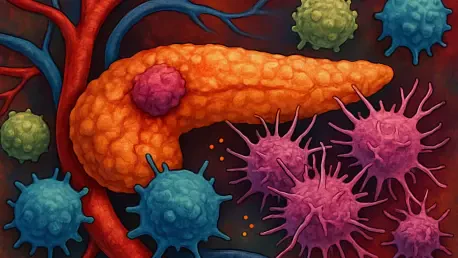
What if a single puff of cigarette smoke could turn the body's own defenses into a weapon for one of the deadliest cancers? Pancreatic cancer, a disease with a grim five-year survival rate of just 12%, claims over 60,000 new victims annually in the U.S. alone, and for smokers, the danger
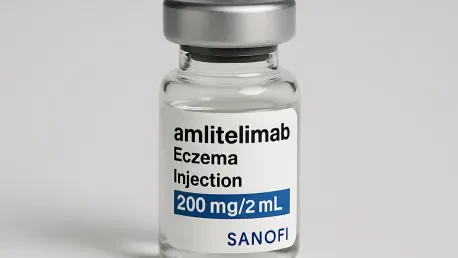
What happens when a pharmaceutical giant like Sanofi, a titan in the industry, unveils a drug that ticks all the clinical boxes yet leaves the market unimpressed? This is the perplexing reality surrounding Amlitelimab, an experimental treatment for eczema that promised to revolutionize patient care