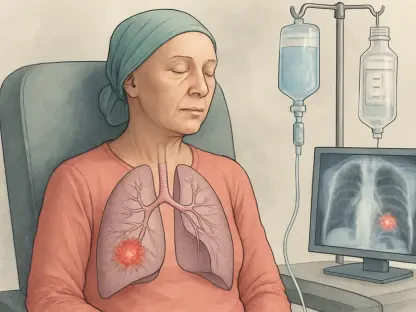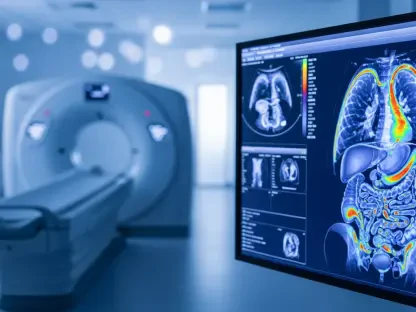

Appendiceal cancer, a rare malignancy, presents significant challenges due to the lack of standardized screening guidelines, identifiable risk factors, and a common tumor classification system. These hurdles often result in delayed diagnoses and poor prognoses for patients. The estimated annual

Human aging is a complex process influenced by a combination of genetic and environmental factors. While the role of genetics has been widely studied, recent research highlights the significant impact of environmental exposures on aging and premature mortality. This article delves into the findings
In a significant effort to find alternative treatments for head and neck cancer patients who cannot use cisplatin due to its harmful side effects, researchers conducted a new clinical trial that unfortunately provided discouraging results. Cisplatin is a widely used chemotherapy drug known for its
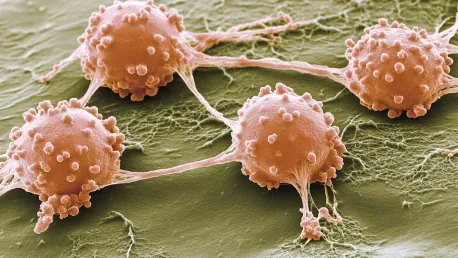
Cancer biology has traditionally emphasized the competitive nature of tumor cells as they compete fiercely for limited resources. However, recent research led by Carlos Carmona-Fontaine at New York University has unveiled a groundbreaking and surprising discovery that cancer cells also exhibit
Duchenne muscular dystrophy (DMD) is a devastating genetic disorder that progressively deteriorates muscle function, posing a major challenge for patients and their families. Recently, a promising breakthrough has emerged in the form of Solid Biosciences' experimental gene therapy, SGT-003, which

The intersection of biotechnology and artificial intelligence (AI) is poised to address the inefficiencies and ethical concerns plaguing the current drug development process. One of the most promising innovations in this field is the Bio-AI clinical prediction platform developed by Quris-AI, which