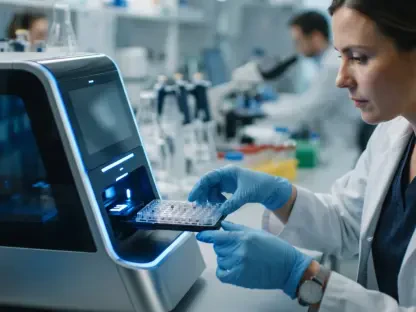

The traditional view of cancer as a localized malfunction of human DNA has undergone a radical transformation as clinical evidence reveals the profound influence of the trillions of microbes inhabiting the body. Scientists no longer perceive the human anatomy as a static collection of independent cells but rather as a highly dynamic and interconnected ecosystem where bacteria, fungi, and viruses play pivotal roles in disease progression. This shift in oncology highlights how tumors effectively co-opt resident microorganisms to fuel their own growth while simultaneously constructing a protective barrier against the host immune system. By integrating breakthroughs in microbiology, immunology, and computational genetics, the medical community is moving toward a precision-based approach that treats the microbiome as an active participant in therapeutic success. This evolving landscape offers a framework for understanding why some patients thrive on therapy while others remain resistant.
Addressing Microbial Dysbiosis in Digestive Cancers
The biological connection between the digestive tract and the liver has emerged as a central pillar in understanding why certain individuals are more predisposed to hepatocellular carcinoma. When the balance of intestinal flora is disrupted, a condition known as dysbiosis occurs, leading to the depletion of beneficial bacteria that maintain the integrity of the gut lining. This breakdown allows harmful microbial byproducts to escape the intestines and enter the portal circulation, triggering chronic inflammation that alters the cellular environment. Once these substances reach the liver, they make it far more conducive to tumor development. Researchers have identified specific microbial signatures that precede the onset of malignancy, suggesting that the state of the gut serves as a critical barometer for liver health. This insight has paved the way for identifying patients who require monitoring to restore gut health, which effectively prevents tumors from forming.
The analytical depth required to understand the relationship between colorectal cancer and the microbiome has expanded through multi-omic frameworks that integrate genomic, transcriptomic, and metabolomic data. By analyzing the genetic material of the microbiota alongside host RNA transcripts, scientists can pinpoint exactly how microbial communities communicate with human cells. This data-driven approach reveals the chemical processes and metabolic pathways that tumors use to evade detection and acquire nutrients. Understanding these complex interactions is essential for identifying the specific drivers of colorectal malignancy that vary between patients. These frameworks allow for the creation of personalized treatment plans tailored to the specific microbial and genetic profile of a patient’s tumor. By transforming raw biological data into actionable intelligence, oncology has moved toward an individualized model that treats every cancer as a unique ecosystem.
Leveraging Intratumoral Bacteria and Immunotherapy
The discovery that bacteria live inside tumors across various organs, including the stomach and pancreas, has revolutionized diagnostic accuracy and localized treatment strategies. These tumor-resident microorganisms are active components of the tumor mass that influence its internal architecture and growth patterns. By studying these internal populations, researchers have developed new tools that use microbial DNA as a fingerprint to identify the specific type and stage of a malignancy. These microorganisms provide critical information about the tumor’s growth rate and its potential to respond to therapy. Clinicians are now exploring ways to target these internal bacteria with specialized drugs or nanotechnology, turning a biological challenge into an opportunity for effective treatment. Because the composition of these internal bacteria is highly specific, they offer a diagnostic precision that allows for a more localized and targeted approach to current cancer care.
Many advanced cancer treatments fail because the tumor environment lacks the necessary immune activity to respond to drugs, but the microbiome offers a way to prime these “cold” tumors. The microbiome produces a vast array of metabolites, such as short-chain fatty acids, that enhance the activity of T-cells and other defensive components essential for the success of immunotherapy. By identifying which metabolites are most effective at stimulating an anti-tumor response, scientists are finding ways to boost the effectiveness of existing treatments. This modulation of the immune landscape through diet or engineered bacteria provides a secondary layer of support that works in tandem with modern checkpoint inhibitors. Clinical trials demonstrated that patients with a diverse population of beneficial microbes show better outcomes when treated with immunotherapy. This synergy highlights the importance of a healthy ecosystem to help the body identify and attack cancer cells.
Establishing Next-Generation Protocols for Clinical Resilience
The practical application of microbiome science in clinical care has progressed through therapies like fecal microbiota transplants and high-potency probiotics. Fecal transplants involve transferring a complex community of healthy microbes into a patient to rapidly restore a depleted ecosystem, which has shown success in improving drug responses. Similarly, advanced probiotics are now used as precision tools to strengthen the immune system and reduce the harsh side effects caused by chemotherapy and radiation. By fortifying the gut barrier, these microbial interventions allow patients to tolerate life-saving medications with fewer complications. This shift toward a holistic model of care acknowledges that the patient’s overall biological resilience is deeply connected to their microbial health. These strategies represent a move toward treating the microbiome as an indispensable partner in the fight against cancer, ensuring the internal environment favors anti-tumor defenses.
The integration of microbiome science into the clinical landscape established a new foundation for the development of sustainable and highly personalized oncology protocols. Medical professionals successfully identified the critical role of microbial metabolites in drug metabolism, which allowed for the refinement of dosage levels to improve patient safety. This progress led to the widespread adoption of routine microbiome profiling as a standard component of initial cancer screenings, ensuring that no biological detail was overlooked. Furthermore, the collaboration between microbiologists and oncologists fostered a multidisciplinary approach that effectively bridged the gap between research and real-world outcomes. Future considerations prioritized the creation of standardized microbial banks and the further miniaturization of delivery systems to reach deeper tissue layers. These advancements confirmed that the microbiome was not a passenger but a vital partner in the quest for therapeutic success.