
The sterile environment of a modern intensive care unit often masks a silent biological war where the difference between a swift return home and a month of mechanical ventilation is decided within the first few hours of a traumatic injury. While a surgeon might successfully repair a ruptured spleen or stabilize a shattered femur, the patient’s internal landscape remains a volatile battlefield. For roughly 80 percent of trauma survivors, the body eventually finds its way back to equilibrium, navigating a path toward recovery that lasts days or perhaps a week. However, for a significant 20 percent of these individuals, the initial survival of the trauma is only the beginning of a harrowing, month-long odyssey known as chronic critical illness.
This specific cohort represents a major mystery in emergency medicine, as these patients frequently appear to be stabilizing in the immediate aftermath of an accident. Their vital signs may normalize and their surgical wounds might begin to close, yet they remain tethered to life support, unable to regain independence from the intensive care unit. This “decision point” is not an external medical choice but a deep-seated biological divergence that occurs almost immediately. The body chooses a path toward either rapid healing or prolonged, debilitating inflammation. Understanding why this happens requires looking past surface-level stability and into the complex immune signaling that governs human survival.
Physical stabilization, while necessary, is not synonymous with biological healing. A patient might be out of the operating room, but if their immune system remains locked in a state of high-alert dysfunction, the road to recovery is effectively blocked. This disconnect highlights a hidden crisis in modern medicine where the ability to keep a body alive has outpaced the ability to ensure it heals. Identifying the early signs of this divergence is the key to preventing the “ICU long-hauler” phenomenon, which has long been a source of frustration and heartbreak for both medical staff and families.
The Mounting Stakes: Why Identifying Chronic Critical Illness is a Global Priority
Chronic Critical Illness, or CCI, is specifically defined by a duration of intensive care that exceeds 14 days following a major injury or illness. It is a state of being where a patient is no longer in the acute phase of trauma but is still too medically fragile to be moved to a general ward or a rehabilitation facility. This threshold is more than just a number on a calendar; it marks the point where the risks of secondary complications increase exponentially. Patients who cross into the CCI category often face persistent organ dysfunction, which means their kidneys, lungs, or heart continue to underperform long after the initial damage was addressed.
The economic and systemic burden of these cases is staggering for healthcare systems worldwide. A single CCI patient can consume more hospital resources—including specialized staffing, advanced diagnostic testing, and expensive medications—than several rapid-recovery patients combined. When ICU beds are occupied for weeks on end by individuals who are not showing signs of progress, the entire hospital’s capacity to handle new emergencies is compromised. This resource drain is a global priority, as healthcare providers seek ways to optimize care delivery in an environment of rising costs and staffing shortages.
Beyond the financial metrics, the real-world consequences for trauma survivors are devastating. Those who enter the CCI trajectory are at an incredibly high risk for secondary infections, such as ventilator-associated pneumonia or bloodstream infections from catheters. Their immune systems are so distracted by the internal chaos of the trauma response that they cannot effectively mount a defense against common hospital-acquired pathogens. This creates a vicious cycle of illness that keeps them in the ICU, further exposing them to more resistant bacteria and prolonging their vulnerability.
Mapping the Immune Trajectory: How Recovery Paths Diverge
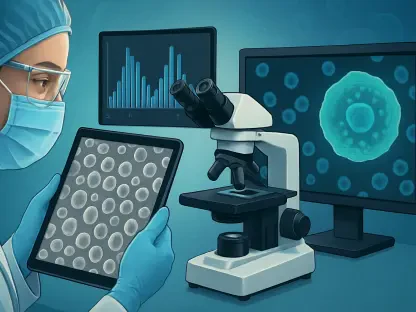
To understand the mechanics of this long-term illness, researchers utilized a methodology centered on longitudinal blood analysis. By tracking the immune system at specific intervals—Days 4, 7, 10, 14, and 28—investigators were able to visualize the biological shifts that occur over time. This approach moved away from the traditional “snapshot” method of diagnosis and instead treated the immune response as a moving target. The data revealed that the recovery path of a trauma patient is not a straight line but a series of branching trajectories that become clearer as the days pass.
The analysis distinguished between three primary paths: Rapid Recovery, Intermediate, and the dreaded CCI trajectory. Those in the rapid recovery group showed a swift return to baseline immune function, with inflammatory markers peaking and then dissipating within a week. In contrast, the CCI group displayed a persistent and unique biological signature that never returned to normal. This discovery allowed researchers to map out a clear “T#7-biased immunophenotype,” which acts as a reliable indicator that the body is moving toward a chronic state of illness rather than a successful resolution of the trauma.
This T#7-biased signature is particularly significant because it represents a specific type of immune signaling that is normally reserved for fighting fungi or extracellular bacteria. In trauma patients, however, this pathway is hijacked. The discovery of this unique biological fingerprint suggests that the development of CCI is not a random occurrence or a result of simple “bad luck” in the hospital. Instead, it is a programmed, if misdirected, response by the body’s own defense mechanisms. By mapping these trajectories, science has finally provided a lens through which doctors can see the future of a patient’s recovery long before the 14-day mark.
The Role of IL-17A Predictive Powerhouse in Early Trauma Care
The most groundbreaking aspect of recent research is the identification of the cytokine IL-17A as the primary biomarker for predicting long-term ICU stays. This protein acts as a predictive powerhouse, signaling the risk of CCI far earlier than any clinical observation ever could. What makes IL-17A so remarkable is its presence on the very first day of admission. While a patient might look relatively stable to a clinician on Day 1, their IL-17A levels can already be sounding the alarm that a chronic path is being established.
This Day 1 detection is a game-changer for early trauma care because biological markers consistently outperform traditional observational symptoms. Traditional tools like heart rate, blood pressure, or even initial injury severity scores often fail to capture the underlying immune storm. IL-17A provides a specific, measurable data point that bypasses the guesswork of bedside observation. It reflects the internal state of the immune system’s command center, providing an objective metric for risk assessment that can be used to categorize patients immediately upon their arrival in the emergency department.
The mechanism behind this biomarker involves an overabundance of neutrophils and T#7 cells, which creates a self-defeating inflammatory cycle. When these cells are hyper-activated, they release high levels of IL-17A, which then recruits even more neutrophils to the site of “injury,” even if the physical wound has already been treated. This feedback loop prevents the body from switching into its repair mode. Instead of clearing out dead cells and building new tissue, the immune system stays stuck in a destructive “attack” phase, effectively sabotaging the patient’s ability to recover and leaving them vulnerable to the organ failure that defines CCI.
Shifting Paradigms: Expert Findings on Immune Overactivity vs. Exhaustion
For many years, the prevailing theory in critical care was that patients who failed to recover were suffering from immune “exhaustion.” It was believed that the immune system simply ran out of energy or became suppressed after the initial shock of trauma. However, new insights from experts like Dr. Scott Brakenridge and Caleb Kim have debunked this myth. Their research showed that a failing immune system in a CCI patient is actually running on a high-energy overdrive. The problem is not a lack of activity, but a surplus of the wrong kind of activity.
This “perfect storm” is fueled by an amplified release of cytokines that keep the body in a state of perpetual high alert. Dr. Brakenridge’s findings highlighted that the immune system in these cases is not sleepy or depleted; it is hyper-reactive and uncoordinated. This misdirected energy is what prevents tissue repair and organ stabilization. When the body’s natural defense mechanisms are firing at maximum capacity without a clear target, they eventually begin to damage the very organs they are supposed to protect. This paradigm shift changes everything about how doctors approach the treatment of the critically ill.
A key part of this dysfunction is the synergy between IFNγ and IL-17A. While interferon-gamma is a crucial regulator of the immune response, its interaction with high levels of IL-17A creates a biological environment that is hostile to healing. Together, these signals prevent the transition to the anti-inflammatory phase that is necessary for recovery. This understanding of immune overactivity provides a new target for therapy. Rather than trying to “boost” a suppressed immune system, the goal shifts to calming a hyper-active one, redirecting its energy away from inflammation and back toward the essential work of tissue repair.
Toward Proactive Trauma Care: Strategies for Biomarker-Driven Intervention
The transition from reactive bedside care to precision medicine in the intensive care unit represented a fundamental shift in how the medical community approached trauma. Researchers developed frameworks that utilized rapid diagnostic tests to screen high-risk patients the moment they were admitted. These tests analyzed specific biomarker profiles, allowing clinicians to bypass the traditional “wait and see” approach. By identifying those with a T#7-biased signature within the first 24 hours, hospitals moved toward a proactive model that anticipated complications rather than merely responding to them as they occurred.
The application of immunomodulatory therapies became a cornerstone of this new strategy, aiming to rebalance the immune system before chronic dysfunction became irreversible. Scientists and doctors explored the use of targeted treatments that could dampen the IL-17A response, effectively breaking the self-defeating inflammatory cycle. These interventions were designed to steer the patient’s biological trajectory back toward rapid recovery. This precision-based approach ensured that the right treatments were delivered to the right patients at the exact time when the body was still capable of responding.
Resource allocation also saw significant improvements as specialized staffing and equipment were assigned based on early biomarker profiles. Hospitals realized that by identifying potential CCI cases early, they could better manage the distribution of ventilators and nursing care across the facility. This strategic planning helped alleviate the systemic pressure on intensive care units and improved the quality of care for all patients. As the industry moved forward, the integration of these biological insights into daily clinical practice provided a clear path to reducing the long-term impact of traumatic injury on survivors.