
The clinical landscape of modern oncology has reached a frustrating plateau where certain aggressive malignancies, despite the advent of revolutionary treatments, remain completely invisible to the human immune system. This persistent invisibility characterizes “immune-cold” environments, where the body’s natural defense mechanisms are essentially sidelined by the very tumors they are meant to destroy. Research conducted at the University of Turku addresses this stalemate by identifying why cancers lacking the BAP1 gene remain entirely resistant to modern immunotherapies. By focusing on the precise molecular drivers of immune evasion, this study establishes a roadmap to bypass biological barriers that have long rendered many malignancies untreatable.
The investigation into genetic “off-switches” provides a crucial look at how tumors adapt to survive in hostile biological environments. Understanding these stealth mechanisms is not merely an academic exercise; it is a prerequisite for developing the next generation of cancer therapies. By utilizing advanced genetic editing, the research team has sought to create a comprehensive understanding of how loss of genetic integrity leads to a total failure of the immune response. This focus on molecular drivers allows for a transition away from broad-spectrum treatments toward precision medicine that can reactivate the body’s internal defenses.
Deciphering the Stealth Mechanisms of BAP1-Deficient Tumors
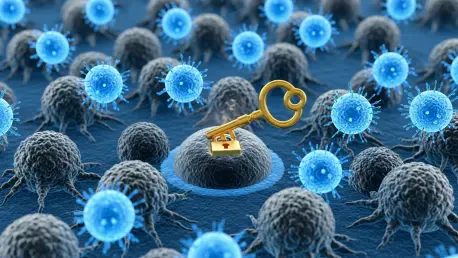
The central focus of this research involves identifying why certain aggressive cancers, specifically those lacking the BAP1 gene, remain entirely resistant to modern immunotherapies. In a healthy state, the BAP1 gene acts as a stabilizer, maintaining cellular health and preventing the uncontrolled growth that leads to malignancy. However, when this gene is deleted or mutated, the resulting tumor develops an extraordinary ability to suppress the immune microenvironment. This study clarifies that BAP1 deficiency is not just a marker of cancer; it is an active participant in creating an “immune-cold” zone where T-cells are unable to infiltrate or function.
Furthermore, the research explores how genetic loss creates a protective shield around the tumor, making it effectively invisible to checkpoint inhibitors. These inhibitors have revolutionized treatment for many skin cancers, yet they fail utterly when faced with BAP1-deficient cells. By analyzing the molecular pathways triggered by BAP1 loss, the scientists discovered that these tumors actively secrete signals that deactivate local immune cells. This creates a biological stalemate where the tumor can grow unchecked, even when the patient is treated with the most advanced drugs currently available in the clinic.
The Crisis of Metastatic Uveal Melanoma and the Limits of Conventional Care
Uveal melanoma, the most common form of adult eye cancer, presents a dire clinical challenge once it spreads, typically to the liver. Historically, this progression has been an almost certain death sentence, with survival measured in months because these tumors do not respond to the standard checkpoint inhibitors that have transformed cutaneous melanoma treatment. The disparity between the success of immunotherapy in skin cancer and its failure in eye cancer highlights a critical gap in oncological knowledge. This research is vital because BAP1 deficiency is the primary driver of this resistance, creating a barrier that conventional care cannot currently breach.
The urgency of this research is underscored by the fact that BAP1 deficiency is not limited to eye cancer; it is also found in other lethal diseases like mesothelioma and certain types of kidney disease. These “orphan” conditions often lack dedicated research models, leaving patients with few options once the disease becomes metastatic. By understanding the genetic “off-switch” for the immune system in uveal melanoma, researchers can apply these findings to a broader range of malignancies. This systemic approach is critical for moving beyond the current plateau in oncology and providing a tangible sense of hope for those facing a terminal prognosis.
Research Methodology, Findings, and Implications
Methodology: Engineering Precision with CRISPR-Cas9
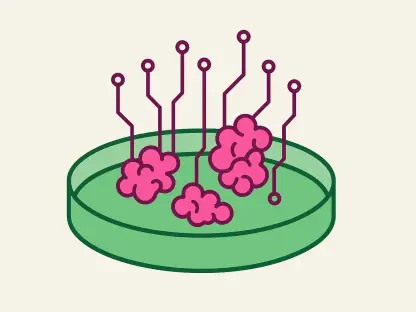
The research team at the University of Turku utilized CRISPR-Cas9 “genetic scissors” to overcome the significant flaws found in previous laboratory models. Historically, cancer research relied on existing cell lines that often carried a confusing array of secondary mutations, which made it difficult to isolate the effects of a single gene. To solve this, the researchers applied CRISPR to delete the BAP1 gene from healthy, normal melanocytes. This method created a “clean” cellular model that isolated the effects of BAP1 loss without the noise of additional genetic errors, ensuring that all observed changes were directly attributable to the missing gene.
Following the gene-editing process, these modified cells were introduced into models with fully functional, immune-competent systems. This step was revolutionary because it allowed the scientists to observe the interaction between the tumor and the body’s defenses in a realistic, living environment (in vivo). Unlike previous studies that used animals without immune systems, this model provided a dynamic look at how a BAP1-deficient tumor behaves when confronted by a healthy immune response. This precision engineering allowed the team to map the evolution of the tumor in a way that closely mirrors what occurs in human patients.
Findings: Unmasking the Engine of Immune Evasion
The study revealed that the loss of the BAP1 gene is the actual engine behind a tumor’s ability to evolve away from immune detection. The researchers successfully developed a pre-clinical tool that faithfully replicates the human “tumor immune microenvironment,” a feat that was previously impossible to achieve with standard laboratory techniques. This breakthrough confirms that BAP1-deficient tumors do not just passively exist; they actively suppress the surrounding immune cells, creating a zone of exclusion that prevents therapy from taking hold. The model provides the first reliable platform for testing how different drug combinations might reactivate those suppressed cells.
Data from the study showed that the absence of BAP1 leads to a specific reorganization of the cellular signaling pathways that govern immune recognition. This reorganization makes it impossible for the host’s immune system to mount a defense, regardless of the strength of the external immunotherapy. By unmasking this engine of evasion, the research team has identified the specific biological targets that must be addressed to turn a “cold” tumor into a “hot” one. This finding shifts the focus from general immune stimulation toward targeted genetic restoration or pathway blocking.
Implications: A Blueprint for Targeting “Cold” Cancers
The findings suggest that the BAP1-deficient model can serve as a universal testing ground for several hard-to-treat cancers across various organs. Because BAP1 loss is a shared vulnerability in mesothelioma and renal cell carcinoma, this model provides a blueprint for global research efforts that transcend specific cancer types. It moves the field away from traditional trial-and-error drug testing and toward “rationally designed” therapies. In this new paradigm, clinicians can engineer specific drug combinations designed to fix the exact immune failure caused by the genetic deficiency.
Moreover, the research suggests that by targeting the downstream effects of BAP1 loss, it may be possible to restore immune sensitivity even in highly aggressive tumors. This has profound implications for clinical trial design, as it allows researchers to select patients based on their genetic profile rather than the location of their tumor. This approach could lead to more successful outcomes and a more efficient drug development pipeline. The model essentially acts as a laboratory proxy for human patients, allowing for the rapid screening of next-generation therapies before they reach the clinical phase.
Reflection and Future Directions
Reflection: Overcoming the Bottleneck of Genetic Complexity
Looking back at the study’s progress, the primary hurdle was the historical lack of immune-competent models that could accurately reflect human biology. Previous research often relied on animals without immune systems or cells with too many genetic errors, which obscured the data and led to dead ends in drug development. By using CRISPR-Cas9 to create a simplified and precise model, the researchers successfully bypassed these traditional bottlenecks. This accomplishment proved that genetic engineering is an essential tool for modern immunological breakthroughs, providing clarity where there was once only complexity.
The success of this model also highlights the importance of multidisciplinary collaboration in modern science. By combining expertise in genetic editing, immunology, and oncology, the Turku team was able to address a problem that had stumped researchers for years. This reflection serves as a reminder that the most challenging medical problems often require a synthesis of different scientific fields. The precision of the CRISPR-Cas9 system allowed for a level of control that was simply not possible even five years ago, illustrating how quickly technology is reshaping the potential of medical research.
Future Directions: Transitioning to Rationally Designed Immunotherapy Combinations
Future research will focus on using this new model to test novel drug cocktails that can effectively turn “cold” tumors “hot.” There are remaining questions regarding how BAP1 loss interacts with other genetic markers across different organs and whether certain environments, like the liver, provide additional layers of protection for the tumor. Further exploration will involve international collaborations to use the Turku model as a standard for testing next-generation immunotherapies. This will likely involve high-throughput screening of existing drugs to see if any can be repurposed to overcome the resistance seen in BAP1-deficient cells.
Another critical direction involves investigating the timing of genetic interventions. Scientists want to know if correcting the signaling pathways early in the tumor’s development can prevent the transition to a fully immunosuppressive state. Additionally, there is a push toward developing personalized treatment protocols where a patient’s own genetic profile is used to customize the immunotherapy cocktail. As the Turku model becomes more widely adopted, it will likely serve as the foundation for these personalized approaches, increasing the success rate of treatments for the most challenging malignancies known to medicine.
Conclusion: Paving the Way for a New Era in Oncology
The development of a CRISPR-engineered, immune-competent model for BAP1-deficient tumors represented a major turning point in cancer research. By stripping away the complexities that hindered previous studies, the researchers established that the key to overcoming immunotherapy resistance lay in precise genetic modeling. The team successfully demonstrated that BAP1 loss acted as the primary driver of immune evasion, and they provided the first functional platform for testing drugs in a realistic biological setting. This breakthrough shifted the scientific community’s focus toward rationally designed therapies that addressed specific molecular failures.
The findings paved the way for a more collaborative international approach to treating rare and aggressive cancers like uveal melanoma and mesothelioma. Scientists were finally able to move beyond the limitations of immunodeficient models, which allowed for a more accurate prediction of how human patients would respond to new drug combinations. This study did more than just explain the aggression of certain diseases; it provided a vital tool to dismantle the defenses of cancers that were once considered untreatable. Ultimately, the integration of genetic editing and immunology offered a clear path forward for improving survival rates and clinical outcomes across the globe.