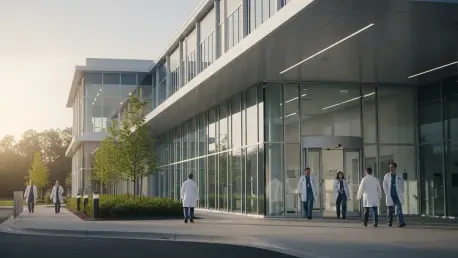

The recent decision by the Yass Valley Council to grant official approval for a comprehensive medical imaging facility marks a pivotal moment in the modernization of regional healthcare infrastructure and patient accessibility. This Development Application, finalized under the Yass Valley Development Contributions Plan, sets the stage for a transformative shift in how diagnostic services are delivered to the local population. By securing this crucial administrative milestone, the project has successfully transitioned from a conceptual framework into a tangible development phase. Developers are now focusing their efforts on the finalization of intricate engineering specifications and the procurement of necessary Construction Certification. This progress ensures that the groundwork for a world-class facility is firmly established, promising to bring high-level diagnostic capabilities directly to the heart of the community. Such a project highlights the successful collaboration between local government authorities and private initiatives dedicated to enhancing regional well-being through advanced technical investment.
Strengthening Regional Healthcare: Local Access and Clinical Equity
The establishment of this imaging center is fundamentally designed to bridge the existing gap between rural residency and the sophisticated diagnostic technology typically found in major urban hubs. Historically, patients in the Yass Valley were forced to undertake lengthy commutes to larger metropolitan areas like Canberra to access basic or specialized scans, often leading to delayed diagnoses or increased physical strain. By localizing these essential services, the project aims to improve long-term patient outcomes through earlier intervention and more efficient clinical pathways. The initiative has garnered significant support from local organizations and the St. Augustine’s Parish, reflecting a unified community vision for a healthier future. This collaborative spirit underscores the importance of regional autonomy in healthcare, ensuring that families can receive high-quality medical attention without the added burden of travel costs. As the facility moves toward construction, it stands as a testament to the community’s commitment to providing equitable and affordable medical services to all residents.
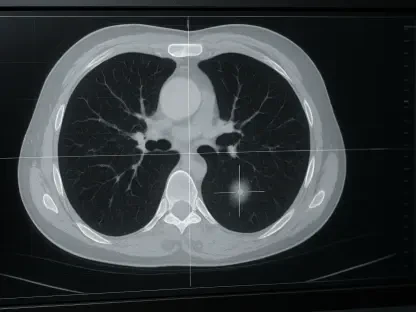
Once operational, the facility will house an extensive suite of diagnostic tools that are vital for contemporary clinical analysis and effective medical intervention strategies. The planned service offerings include standard digital X-rays for identifying bone fractures and assessing density issues, alongside highly advanced modalities such as Computed Tomography and Magnetic Resonance Imaging. These sophisticated technologies allow for the high-resolution visualization of internal structures, making it possible to pinpoint the exact location and size of tumors, cysts, or complex internal infections with remarkable accuracy. Furthermore, the inclusion of comprehensive ultrasound and vascular imaging capabilities, such as CT and MR angiography, will provide clinicians with the means to detect blood clots, aneurysms, and narrowed arteries at an early stage. By integrating these diverse technologies into a single local hub, the center will offer a holistic diagnostic environment that significantly enhances the diagnostic speed and accuracy available to general practitioners and specialists in the region.
Clinical Precision: Future Medical Operations and Technical Guidance
Beyond the realm of primary diagnosis, the implementation of cutting-edge imaging technology will serve as an indispensable tool for guiding complex medical procedures and surgical interventions. Modern healthcare increasingly relies on real-time imaging as a live navigation system, allowing doctors to perform minimally invasive procedures with a degree of precision that was previously unattainable. For instance, the center’s equipment will facilitate guided biopsies, enabling medical professionals to extract tissue samples for testing without the need for traditional, more invasive surgical methods. Additionally, the availability of detailed 3-D scans will assist local surgeons in the meticulous planning of operations by providing a clear view of patient-specific anatomy before they ever enter the operating room. This technological integration not only reduces the risk of complications but also shortens recovery times for patients, as procedures can be more targeted and less disruptive to surrounding tissues. The facility will thus act as a central pillar for advanced clinical management within the Yass Valley.
The approval of the Yass Valley Imaging project solidified a long-term commitment to enhancing the regional standard of living through the integration of superior medical technology. Stakeholders recognized that providing local access to critical diagnostic tools was the most effective solution for addressing the growing healthcare demands of the population from 2026 to 2028 and beyond. The project successfully moved forward by prioritizing the finalization of engineering protocols and the establishment of rigorous safety standards required for high-radiation environments. Looking ahead, the next logical steps involved the recruitment of specialized radiological staff and the seamless integration of the center’s digital records with existing regional health networks. By ensuring that these advanced diagnostic assets were embedded within the community, the council and developers effectively reduced the systemic barriers to specialized care. This initiative provided a sustainable blueprint for other rural regions seeking to modernize their medical infrastructure while maintaining a focus on patient-centric service delivery.