
The ongoing economic transformation of the Negros Occidental swine sector depends heavily on the successful implementation of rigorous biosecurity protocols that can withstand the evolving threats of highly contagious porcine diseases. Negros has long been a bastion for swine production, but the landscape changed when external viral pressures arrived at the borders. The transition from traditional farming to a biosafety-centered model requires a fundamental shift in how small-scale and commercial farmers view their daily operations. It is no longer sufficient to rely on geographic isolation or simple fencing to protect high-value herds from environmental contamination. Instead, the industry has turned toward a data-driven approach where every movement of personnel, feed, and equipment is scrutinized under a microscopic lens. The economic fallout from potential breaches is too significant to ignore, leading many to wonder if these stringent measures are enough to maintain the province’s status as a top pork producer. As regional authorities push for more comprehensive zoning, the dialogue has shifted from temporary containment to permanent defensive infrastructure. This evolution marks a pivotal moment for thousands of families whose livelihoods depend on the stability of the local pork market and the integrity of the regional supply chain.
Digital Fortification: Advanced Diagnostic Infrastructure
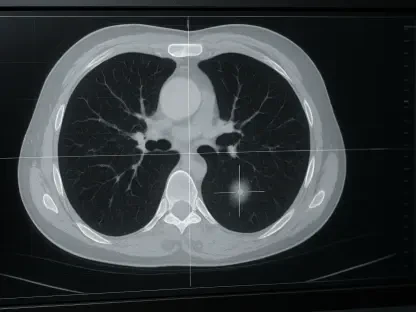
The deployment of decentralized diagnostic laboratories across Negros Occidental has revolutionized the speed at which farmers can identify and isolate potential health threats within their herds. Rather than waiting days for samples to be processed in centralized facilities, producers now utilize portable real-time polymerase chain reaction testing kits that provide results within hours. This rapid turnaround is crucial for preventing the silent spread of pathogens across various farm modules. Furthermore, the integration of environmental sensors and thermal imaging cameras allows for the continuous monitoring of animal behavior and temperature fluctuations without human intervention. These systems are linked to a centralized dashboard that alerts veterinary teams to anomalies, enabling a proactive rather than reactive response. By reducing the reliance on manual visual inspections, the industry has effectively minimized the risk of human-vectored transmission, which remains one of the primary vulnerabilities in modern livestock management. The adoption of these high-tech surveillance tools has empowered farmers to make data-backed decisions that safeguard their investments against sudden and devastating viral outbreaks.
Building on these technological gains, the adoption of blockchain-enabled tracking for feed and logistics has created an unprecedented level of transparency in the supply chain. Each shipment of raw materials entering a farm is now assigned a unique digital fingerprint, ensuring that the provenance of every component is verified against strict safety standards. This prevents the accidental introduction of contaminated inputs that have historically devastated regional farms during periods of heightened disease prevalence. In addition to feed security, automated disinfection portals at farm entrances ensure that all vehicles and equipment undergo a rigorous chemical cleaning process that is monitored by artificial intelligence for compliance. If a vehicle fails to meet the required saturation levels or duration during disinfection, access to the facility is automatically denied. This layer of mechanical oversight removes the potential for human error or negligence, providing a consistent barrier against the ingress of external viral loads into sensitive production zones. These measures have redefined the standard for farm safety, moving the industry toward a future where physical borders are reinforced by digital and automated verification systems.
Strategic Implementation: Moving Toward Sustainable Recovery
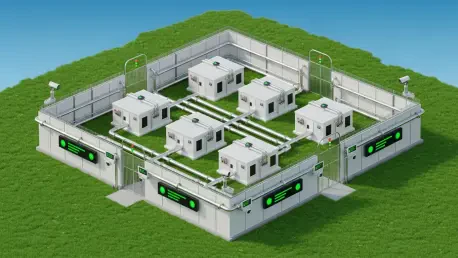
Collaboration between the provincial government and private stakeholders has led to the establishment of “red-line” zones where biosecurity protocols are non-negotiable for all participants. These zones serve as protected enclaves where genetic stock can be preserved and propagated even during regional outbreaks, ensuring that the industry can recover quickly from localized losses. To support this, financial institutions have begun offering specialized insurance products that are tied directly to the biosecurity rating of a facility. Farms that invest in high-level containment systems, such as filtered air intake and specialized waste management, receive lower premiums and better access to credit. This economic incentive structure encourages long-term investment in infrastructure rather than short-term cost-cutting measures. Moreover, educational programs have been decentralized to reach backyard raisers, teaching them how to implement low-cost but effective barriers that protect their small-holdings from being the weak link in the provincial health network. By aligning financial benefits with health safety, the region has created a self-reinforcing cycle of improvement that benefits both large-scale commercial entities and independent rural producers.
The successful stabilization of the Negros swine sector relied on a holistic strategy that prioritized regional self-sufficiency and the modernization of processing facilities. Authorities moved beyond simple border controls to focus on the development of local cold chain logistics, which reduced the need for live animal movement across the province. This shift minimized the risk of viral shedding during transport and allowed for more controlled distribution of meat products. Additionally, the investment in a regional center for porcine health research empowered local scientists to tailor biosecurity strategies to the specific environmental conditions of the island. Farmers who participated in these programs reported higher survival rates and better feed conversion ratios, proving that rigorous safety standards also yielded better economic performance. By institutionalizing these practices, the industry prepared itself for long-term viability, transforming a period of crisis into a catalyst for technological and operational excellence that secured the food supply for the upcoming years. The focus then shifted toward exporting these high-health status genetics to other regions, further solidifying the island’s reputation as a leader in modern agricultural biosecurity and resilient food production systems.