
The intricate dance between a virus and its host often hinges on a biological modification so microscopic that it remains invisible until it upends the entire global economy. The transition of animal pathogens into human populations represents one of the most significant threats to modern civilization, requiring a deep understanding of the genetic “switches” that allow a virus to bypass the species barrier. By investigating these specific molecular triggers, research has begun to decode how seemingly insignificant genetic variations can transform a benign virus into a global health threat. These minor alterations are the primary drivers of spillover, as they allow a pathogen to navigate the specialized immune defenses of a new host species.
Exploring the core mechanisms of this transition reveals that the process is not merely a matter of proximity but of precise molecular compatibility. The ability of a virus to adapt to the human biological environment depends on its capacity to manipulate cellular signals and evade detection. This research identifies the specific points within a viral genome where a single mutation can recalibrate the relationship between the virus and the host. Understanding whether minor variations are sufficient for this transformation is essential for developing defensive strategies against future outbreaks.
The Evolutionary Context of Bat-Borne Coronaviruses
The evolutionary history of SARS-CoV-2 is deeply intertwined with its closest relatives found in wildlife, specifically the bat-hosted virus known as RaTG13. Understanding the relationship between these two entities provides a roadmap for tracing the history of modern pandemics and identifying potential spillover candidates. Because zoonotic events are a primary driver of contemporary health crises, the ability to pinpoint the molecular basis of host adaptation has become an essential pillar of global biosafety. Analyzing these genetic bridges allows researchers to comprehend why certain viruses remain contained within their natural reservoirs while others successfully colonize the human body.
Highlighting the significance of these adaptations is crucial for public health preparedness, as environmental shifts continue to bring humans and wildlife into closer contact. The significance of zoonotic spillover lies in its unpredictability, yet molecular research suggests that certain signatures of adaptation are identifiable. By focusing on the evolutionary context, the scientific community can better appreciate the narrow biological margin that separates a dormant forest virus from a pandemic-level pathogen. This foundational knowledge is necessary to build a resilient global health infrastructure.
Methodology: Analyzing Cross-Species Interactions
The methodology behind these insights involved a massive collaborative effort between international institutions, including the UCSF Quantitative Biosciences Institute and the Institut Pasteur. By pooling resources and specialized expertise, these organizations conducted a comparative analysis of viral protein behavior in both human and bat biological environments. A critical component of this study was the use of the first laboratory-grown lung cell line derived from the greater horseshoe bat. This technological breakthrough allowed for a direct, side-by-side observation of how viral proteins interact with the specific cellular architecture of different hosts.
This comparative approach isolated the variables responsible for host adaptation by observing the proteins in real-time. Scientists utilized advanced mapping techniques to trace the pathways that viral proteins use to interact with host immune systems. By simulating the internal conditions of both human and bat lungs, the researchers identified how the same virus can elicit radically different responses based on its genetic makeup. This controlled laboratory environment was essential for confirming that specific protein-to-protein interactions are the primary determinants of viral success or failure during spillover.
Findings: The Single Amino Acid Shift in OrfB9
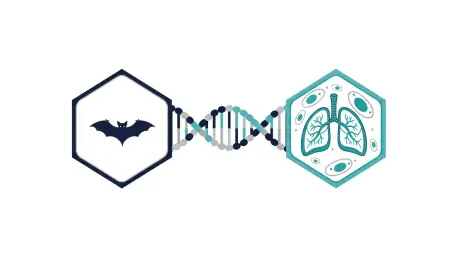
The investigation identified the OrfB9 protein as the critical factor in determining how a virus interacts with the host immune system. Despite the high degree of genetic similarity between SARS-CoV-2 and RaTG13, the discovery revealed that a single amino acid difference in the OrfB9 protein separates the human-infecting virus from its bat-specific relative. This tiny genetic change has profound implications, serving as a functional switch that alters the virus’s ability to evade or trigger host defenses. In the human-infecting protein, this mutation enables the virus to suppress the internal “alarm system” that would otherwise notify the body of an invasion.
In contrast, the bat-specific version of the protein triggers a robust immune response within bat cells, keeping the virus in check and preventing severe disease. This divergence illustrates how the human-infecting protein acts as a sophisticated cloaking mechanism, allowing for rapid replication and systemic spread. The single amino acid change effectively flips the biological outcome from a controlled infection to a catastrophic one. This finding underscores the fact that the jump from animals to humans does not require a massive overhaul of the viral genome, but rather a strategic mutation in a key immune-modulating protein.
Implications: Predictive Surveillance and Viral Signatures
The implications of this research suggest a fundamental shift from reactive pandemic management to proactive, predictive viral surveillance. By identifying these “molecular signatures,” scientists can now predict which animal viruses are most likely to infect humans based on their protein structures. This capability allows for the monitoring of wildlife populations for specific genetic markers, enabling health agencies to identify high-risk pathogens long before they cross the species barrier. Understanding these markers provides a clear target for global monitoring efforts, focusing resources on the most credible threats.
Moreover, this predictive framework allows for the development of early warning systems that can flag emerging mutations in real-time. Instead of waiting for an outbreak to occur, the global health community can analyze the genomic trajectory of circulating viruses in animal reservoirs. This shift toward molecular biology as a defensive tool represents a major advancement in safeguarding human health. By recognizing the specific patterns of host adaptation, the scientific community can implement containment strategies and vaccine development efforts well in advance of a potential spillover event.
Reflection: The Efficacy of Protein Mapping
The success of using cross-species protein mapping has clarified many of the questions regarding the origins of recent global health threats. By focusing on individual proteins rather than the entire genome, researchers were able to isolate the exact mechanisms of host adaptation. However, the technical challenges of isolating specific amino acid impacts within a complex viral genome were significant, requiring unprecedented levels of computational precision. This reflection highlights the necessity of advanced technological tools in modern virology and the importance of refining these methods for future use.
The importance of international resource-sharing was also a primary factor in accelerating these breakthroughs. The collaboration between diverse institutions ensured that data from different biological systems could be synthesized effectively. This process demonstrated that no single nation or laboratory can manage the complexities of viral evolution alone. The synthesis of this information has not only provided a clearer picture of the current landscape but has also established a standard for how future research should be conducted to maximize efficiency and accuracy.
Future Directions: Expanding the Predictive Framework
Further research should now be directed toward identifying other viral proteins that may contribute to host adaptation alongside OrfB9. While the single amino acid change in this protein is a significant discovery, it is likely part of a larger network of interactions that facilitate spillover. Investigating these auxiliary proteins will provide a more comprehensive understanding of the viral life cycle in new hosts. Additionally, the development of a global early warning system based on these molecular findings must be prioritized to ensure that data is shared across borders in real-time.
Exploring how this framework can be applied to other families of viruses beyond coronaviruses is another vital next step. Influenza, paramyxoviruses, and other zoonotic candidates should be subjected to the same rigorous protein mapping to identify their specific signatures of adaptation. Expanding the use of laboratory-grown animal cell lines will be essential for this work, as it provides the necessary biological context for testing these viruses safely. This broader application will ensure that the lessons learned from recent pandemics are used to build a universal defense against viral evolution.
Strengthening Global Health Security Through Genomic Insights
The investigation into the OrfB9 protein demonstrated how a tiny genetic change dictated the entire trajectory of a viral infection and its potential for a global spread. This discovery underscored the reality that the barrier between species was far more porous than previously understood, requiring only a single mutation to facilitate a jump into human populations. The collaborative effort between international laboratories proved that advanced genomic research was the most effective tool for identifying these hidden dangers. Ultimately, the synthesis of these molecular insights provided a new perspective on safeguarding human health, turning the unpredictability of viral evolution into a manageable risk.
Moving forward, the implementation of a permanent genomic surveillance infrastructure was established as the primary solution for preventing future crises. This required a commitment to continuous monitoring of wildlife and the integration of molecular biology into the core of public health policy. Scientists recognized that the focus had to remain on identifying the high-risk genetic markers discovered during this study to provide a definitive early warning. By prioritizing the study of protein-to-protein interactions across species, the international community gained the ability to anticipate the next spillover before it could ever reach a global scale. This proactive stance effectively shifted the balance of power from the evolving virus to the researchers who map its every move.