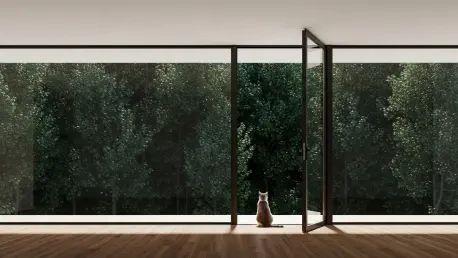

As a domestic feline transitions from the cushioned comfort of a living room sofa to the unmonitored shadows of a backyard thicket, it effectively functions as a mobile biological sensor that bridges two vastly different ecological zones. This unique mobility makes domestic cats a critical subject within the “One Health” framework, an interdisciplinary study examining the deep-seated connections between animal well-being and human safety. While many pet owners perceive outdoor access as a benign form of enrichment, ecologists and veterinary professionals increasingly identify free-roaming felines as biological conduits. By oscillating between sterile domestic interiors and the untamed wild, these animals inadvertently transport hazardous pathogens from remote environments directly into human living quarters. This phenomenon transforms the common house pet into a potential vector for a wide variety of zoonotic diseases that often go undetected until symptoms manifest in humans. The current year marks a turning point in how society views these feline companions, moving toward a more scientific understanding of their impact on the microbial landscape of the modern home.
The Biological Bridge: Connecting Wilderness and Home
Quantifying the Risk: Feline Lifestyles and Pathogen Exposure
Scientific evaluations conducted from 2026 to 2028 indicate a significant spike in the prevalence of infectious diseases when domestic cats are permitted to wander beyond the confines of their homes. Comprehensive metadata involving over 400 global reports highlights that outdoor-roaming pets are approximately three to five times more likely to carry zoonotic pathogens compared to those kept strictly indoors. This statistical disparity remains consistent across various geographic regions and climates, suggesting that the risk is inherent to the behavior rather than specific local environments. The exposure occurs through direct contact with wildlife, contaminated water sources, or soil harboring dormant parasites. Furthermore, the frequency of infection does not seem to diminish significantly with age or breed, pointing toward a systemic vulnerability that is exacerbated by environmental exposure. This elevated risk profile necessitates a thorough re-evaluation of pet ownership protocols.
Comparing Populations: Disease Prevalence in Domestic and Feral Cats
Data further reveals a remarkable similarity in the pathogen load between pet cats with outdoor access and feral feline populations living entirely without human intervention. This finding suggests that typical domestic care, such as high-quality nutrition or standard grooming, provides negligible protection once an animal is exposed to the environmental stressors and infection sources found in the wild. Even vaccinated animals may carry and shed parasites or bacteria that are not covered by routine immunizations, essentially serving as asymptomatic carriers within the household. The health status of a roaming pet is constantly in flux, as every hunting excursion or interaction with a stray animal provides a fresh opportunity for pathogen acquisition. Consequently, the boundary between a managed pet and a wild animal becomes blurred from a biological standpoint. This overlap represents a significant oversight in traditional home hygiene practices and requires more rigorous veterinary oversight.
Environmental Impact: The Hunting Paradox and Community Safety
Predatory Behavior: Underestimating the Impact of Domestic Hunting
A central driver behind the current public health challenge is the hunting paradox, a phenomenon where cat owners significantly underestimate the predatory activities of their pets. Statistical tracking through 2026 suggests that cat owners fail to observe or record approximately 80% of their pet’s successful kills, leading to a false sense of security regarding the animal’s interaction with wildlife. When a cat returns home appearing clean and hungry, it may have already consumed or handled multiple rodents, songbirds, or reptiles in the preceding hours. These unseen interactions are the primary points of contact for emerging infectious diseases, as small mammals and birds are known reservoirs for various viral and bacterial strains. By bridging the gap between wild prey populations and the domestic sphere, the hunting cat acts as an efficient delivery system for environmental contaminants. This disconnect between owner perception and feline reality complicates efforts to mitigate the spread of zoonotic illness.
Community Contamination: Fecal Waste and Environmental Persistence
Beyond the boundaries of individual households, outdoor cats contribute to a massive environmental contamination problem through the deposition of biological waste in public spaces. In densely populated urban and suburban areas, these animals collectively deposit thousands of pounds of feces into private gardens, public playgrounds, and community parks each year. This waste is frequently teeming with resilient parasite eggs, such as those of Toxocara cati, which are capable of surviving in the soil for several years despite harsh weather conditions. As these parasites accumulate in the environment, the soil itself becomes a source of infection for anyone who interacts with it. This creates a public health hazard that affects the entire community, regardless of individual pet ownership status. The sheer volume of feline waste in shared spaces represents a significant challenge for local sanitation and public health departments tasked with maintaining safe outdoor environments for all residents.
Responsible Management: Strategies for Future Health and Welfare
Shifting Perspectives: Challenging the Freedom Versus Welfare Debate
Contemporary experts are increasingly reframing the long-standing debate over feline welfare by arguing that keeping cats indoors is a modern necessity rather than a form of deprivation. Just as society has evolved to prohibit dogs from roaming freely or hunting local wildlife for both their safety and public order, a similar shift is occurring in the perception of responsible cat ownership. Modern indoor environments can be enriched with vertical spaces, interactive toys, and puzzles that satisfy a cat’s predatory instincts without the associated biological hazards. Restricting movement to the indoors significantly reduces the likelihood of physical injury from vehicles, territorial fights with other animals, and exposure to lethal toxins. Furthermore, many veterinarians now view the freedom of the outdoors as an unnecessary risk that compromises the long-term health and longevity of the animal. This perspective shifts the focus from perceived liberty to actual quality of life.
Integrated Solutions: Promoting One Health and Containment
Public health strategies shifted toward promoting higher standards of feline containment to mitigate the hidden dangers of zoonotic disease transmission within residential areas. Communities implemented local ordinances that encouraged the use of enclosed outdoor spaces and mandatory identification for all pets to ensure accountability. Veterinarians played a crucial role by educating pet owners on the specific biological risks associated with hunting behaviors and environmental exposure. Families adopted new routines that integrated indoor enrichment with supervised outdoor time, successfully reducing the incidence of household infections. This proactive transition underscored the importance of seeing pet management as a collective responsibility rather than an individual choice. By prioritizing the containment of domestic felines, society effectively strengthened the barrier between the wild and the domestic, fostering a safer environment for humans and animals alike. These measures provided a clear roadmap for future urban planning.