
With a background as a lead researcher and pediatric emergency physician, the expert featured in this discussion has spent years at the intersection of clinical care and data-driven policy. Having analyzed tens of thousands of emergency department visits, they bring a specialized perspective on how our current systems fail children in mental health crises. Their work focuses on the nuances of the Pediatric Emergency Care Applied Research Network and the critical need for equity in the chaotic environment of the emergency room.
This interview explores the systemic inaccuracies of current triage tools, the pervasive role of implicit bias in medical decision-making, and the specific diagnostic trends—such as the high prevalence of depressive disorders and self-injury—that are overwhelming modern hospitals. We delve into the complexities of over-triage versus under-triage and examine how technological integration and parental advocacy can serve as essential safeguards for vulnerable youth.
With two-thirds of pediatric mental health triage scores proving inaccurate, what specific flaws exist in the Emergency Severity Index system? How do these miscalculations directly impact patient safety and the allocation of hospital resources during a high-volume shift?
The Emergency Severity Index, or ESI, was originally designed to streamline medical emergencies like broken bones or respiratory distress, but it often falters when faced with the complexities of a psychological crisis. In our study of 74,564 pediatric visits, we found that this system failed to provide an accurate score in two-thirds of cases, largely because it doesn’t adequately capture the intensity of behavioral health needs. When a triage determination is wrong, the entire flow of the emergency department is compromised; under-triage means a child in acute distress might wait hours in a lobby where their condition could escalate, potentially putting themselves or the staff at risk. Conversely, if we over-triage a child who could safely wait, we end up diverting precious nursing resources and beds away from other children who might be in the middle of a different life-threatening emergency. During a high-volume shift, these miscalculations create a ripple effect of inefficiency that strains the staff’s ability to provide the right care at the right time.
Black and Hispanic children, especially those from Spanish-speaking families, often receive lower severity scores than their medical needs require. What systemic barriers or implicit biases contribute to this under-triage, and what practical changes can clinicians implement to ensure more equitable assessments?
The data is sobering: under-triage, where a child is assigned a lower severity score than the care they eventually require, is significantly more likely for Black and Hispanic children and those from families who prefer Spanish over English. These inequities are often driven by implicit bias—those unconscious stereotypes and attitudes that all clinicians carry but which can have devastating effects on how we perceive a patient’s pain or level of crisis. To combat this, we must implement rigorous clinician education focused on recognizing these biases and provide more readily accessible interpretation services so that language is never a barrier to an accurate assessment. We found that approximately 1 in 12 visits resulted in under-triage, a statistic that highlights the urgent need for more objective, standardized triage tools that don’t rely on the subjective “gut feeling” of a provider. By making these systemic adjustments, we can move toward a model where the color of a child’s skin or the language they speak at home doesn’t dictate the speed of their medical care.
Over-triage occurs frequently in younger patients and Black children. How does assigning an unnecessarily high severity level affect the waiting experience for other families in the emergency department, and what training protocols could help staff better distinguish between acute crises and manageable behavioral issues?
Our research showed that over-triage occurred in a staggering 57% of visits, meaning more than half of these children were assigned a higher urgency level than the care they actually ended up needing. When this happens, it creates a bottleneck in the emergency department, forcing other families to endure longer, more stressful wait times because the system thinks a bed is more urgently required elsewhere. This phenomenon was particularly prevalent in younger patients and Black patients compared to White patients, suggesting that staff might sometimes over-react to certain behavioral presentations due to a lack of specialized training. To address this, we need protocols that help nurses distinguish between a child in the middle of a manageable behavioral outburst and one in a true acute psychiatric crisis. Better training in de-escalation and the nuances of pediatric behavioral health could help staff feel more confident in assigning appropriate ESI scores, ensuring that our resources are utilized effectively for everyone in the waiting room.
Depressive disorders, self-injury, and aggressive behavior represent the vast majority of pediatric mental health visits. How should the intake process be restructured to better identify these specific risks, and what metrics can hospitals use to track whether they are meeting the actual care needs of these children?
When you look at the numbers, 25% of these visits are for depressive disorders, 23% for suicide or self-injury, and 24% for aggressive behavior, which tells us that our intake process needs to be highly specialized for these three distinct categories. We should restructure intake to include specific screening questions that go beyond a general “how are you feeling” to target the immediate risk of self-harm or aggression toward others. Hospitals could track their success by comparing the initial triage score to the actual level of intervention required, such as whether the child needed specialized medications, restraints, or an immediate psychiatric consult. By using the PECARN Registry data as a benchmark, institutions can identify if they are consistently under-triaging certain populations or over-triaging others. This kind of data-driven feedback loop is essential to refining our triage tools so that they finally work for the diverse range of children seeking mental health support.
Integrating automated tools or artificial intelligence has been proposed to make triage more objective. What challenges exist in implementing these technologies alongside human nursing staff, and how can interpretation services be better integrated to support families who prefer to communicate in a language other than English?
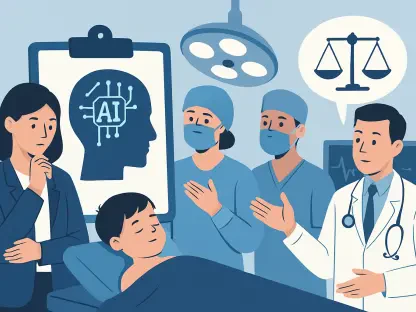
While the idea of using artificial intelligence to augment a nurse’s triage assignment is promising, the primary challenge is ensuring that these tools are tested across diverse populations to prevent the same biases we see in humans from being coded into the software. AI has the potential to provide a more objective assessment, but it must be viewed as a support tool rather than a replacement for the clinical intuition of a seasoned emergency nurse. Regarding language, we must move away from the “on-call” interpreter model and toward a system where interpretation is a seamless, immediate part of the intake process, perhaps through integrated video technology. Families who prefer Spanish should not have to wait longer or struggle to explain a complex mental health crisis just because an interpreter isn’t physically present. Accurate and equitable triage depends on clear communication, and if we can’t understand the family’s concerns, we can’t possibly assign the correct level of care.
Parents are often encouraged to advocate for their children if they fear a situation is escalating while waiting for care. What specific signs should a parent look for to justify immediate intervention, and what is the most effective way for them to communicate these concerns to busy nursing staff?
I always tell parents that they are the experts on their own children, and if they sense a shift in the child’s mood or behavior that feels dangerous, they must act. Specifically, if a child begins to talk about harming themselves, starts showing signs of extreme physical agitation, or becomes aggressive in the waiting room, the parent should notify the triage nurse immediately. The most effective way to communicate is to be direct and use clear safety-related language, such as saying, “I am worried my child is at risk of harming themselves right now.” This is not the time for subtlety; providing concrete details about the child’s actions or statements helps the busy nursing staff understand the urgency of the situation. Given that 2/3 of triage scores are currently inaccurate, your voice as a parent might be the most important diagnostic tool we have in that moment.
What is your forecast for pediatric mental health triage?
My forecast for the future of pediatric mental health triage is a shift toward a more multi-dimensional, data-supported system that moves beyond the simplistic five-level ESI model. I anticipate that within the next decade, we will see the widespread adoption of validated behavioral health screening tools integrated directly into the electronic health record, which will trigger immediate resources based on the specific diagnosis, whether it’s depression or aggressive behavior. We are going to see a much heavier emphasis on “equity by design,” where triage algorithms are specifically audited to ensure they aren’t disadvantageous to Black, Hispanic, or non-English speaking families. Ultimately, as the youth mental health crisis continues to grow, our emergency departments will have to evolve from being “medical-first” to “mental-health-ready,” ensuring that every child who walks through our doors is met with an accurate, fair, and compassionate assessment the moment they arrive.