
The modern healthcare landscape is currently undergoing a radical transformation as VSee Health, Inc. solidifies its reputation as a primary architect of global digital care ecosystems. This Nasdaq-listed powerhouse has moved far beyond simple video conferencing by offering a sophisticated infrastructure that merges real-time virtual care with complex clinical review and administrative billing services. Currently facilitating over 1.5 million HIPAA-compliant encounters every month, the company supports high-stakes operations for organizations like NASA, the national health system of Qatar, and major healthcare players such as McKesson and DaVita. This global reach is sustained by a modular, Lego-like architecture that allows providers to assemble custom digital health solutions without the burden of long-term development cycles. By focusing on scalability and security, the platform ensures that even the most complex clinical needs are met with a level of speed and precision that has become the industry standard.
Pioneering Autonomous Hospital Solutions
Next-Generation Robotics and Navigation
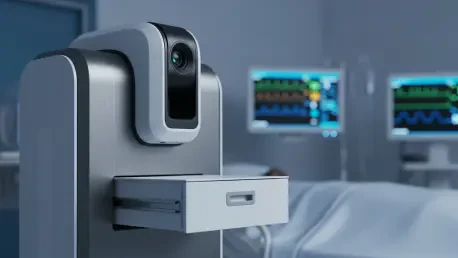
The upcoming official debut of the world’s first fully autonomous telehealth AI robot at the HIMSS conference in Las Vegas marks a significant milestone for inpatient care environments. Unlike the traditional telepresence carts that require nurses or technicians to physically maneuver equipment between rooms, this new robotic unit utilizes advanced LiDAR navigation to move independently. This technology allows the device to traverse complex hospital corridors, dodge obstacles, and navigate directly to a patient’s bedside without any human intervention on-site. By removing the logistical burden from frontline staff, the system ensures that remote physicians can perform assessments more efficiently. This shift toward total autonomy addresses the chronic staffing shortages that have plagued the industry, allowing clinical teams to focus on direct patient care rather than moving machinery. The integration of such intelligent hardware represents a fundamental change in how hospitals operate on a daily basis.
Beyond the initial navigation capabilities, the autonomous system is designed to integrate seamlessly into existing facility layouts without requiring expensive infrastructure modifications. The LiDAR sensors and mapping software create a dynamic understanding of the hospital environment, enabling the robot to handle crowded hallways or sudden changes in floor traffic with ease. This level of sophistication ensures that the robot arrives at its destination precisely when needed, facilitating timely consultations between remote specialists and bedside patients. Furthermore, the ability of the machine to return to a charging station or reposition itself for the next appointment independently maximizes the utilization of telehealth resources. This streamlined approach minimizes downtime and ensures that the investment in digital health hardware translates into measurable improvements in clinical throughput. It is a transition from passive tools to active clinical partners that can think and move on their own.
Enhancing Clinical Rounds and Logistics
To ensure that high-quality clinical evaluations can be conducted remotely, the robot is outfitted with a 30X optical zoom camera and infrared night vision for around-the-clock virtual rounding. These visual tools allow remote clinicians to observe fine details, such as pupil dilation or skin texture, which are critical for accurate diagnoses in an intensive care setting. The infrared capability is particularly useful during night shifts, allowing doctors to check on patients without disturbing their sleep by turning on bright overhead lights. This combination of advanced optics and autonomous movement provides a level of presence that closely mimics an in-person visit. The technology ensures that patients in high-acuity environments receive consistent monitoring from top-tier specialists, regardless of the time of day or the physical location of the physician, thereby improving the overall safety and quality of hospital care.
In addition to its role as a communication portal, the robotic unit features programmable drawers designed for the secure transport and delivery of medications and medical supplies. By combining autonomous movement with supply chain logistics, the robot can fulfill multiple clinical workflows in a single trip, such as delivering a prescription and then facilitating a follow-up consultation with a pharmacist. This dual-purpose design is essential for facilities facing significant labor shortages, as it automates routine delivery tasks that would otherwise consume valuable staff time. The secure drawers are integrated into the hospital’s management software, ensuring that only authorized personnel can access the contents upon arrival. This holistic approach to hospital automation not only streamlines the delivery of care but also reduces the risk of human error in medication distribution, creating a more reliable and efficient environment for both providers and patients.
The Power of AI and Modular Architecture
Streamlining Workflows with Low-Code Tools
The backbone of this innovation is the VSee AI Workflow Engine, a low-code platform that enables hospitals to launch complex clinical modules in a fraction of the time required by traditional IT projects. Traditional healthcare technology integrations often take months or even years to fully implement, but VSee’s modular architecture allows for the deployment of new features in as little as a few weeks. This flexibility is vital for health systems that need to adapt quickly to changing patient needs or regulatory requirements. By using a “no-code” or “low-code” activation layer, hospital administrators can customize their digital front doors, intake forms, and clinician dashboards without hiring extensive software development teams. This democratization of technology ensures that even smaller regional hospitals can access the same high-level digital tools as large urban medical centers, fostering a more equitable distribution of advanced healthcare resources.
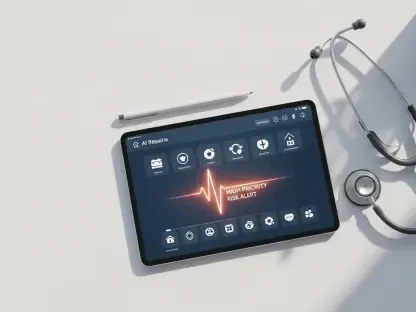
One standout feature of this engine is the AI Doctor Notes tool, which has successfully reduced the time spent on medical documentation by over 90 percent in various clinical settings. By utilizing natural language processing to transcribe and summarize patient encounters, the tool directly tackles the crisis of physician burnout by freeing doctors from hours of clerical work. This allows clinicians to spend more time engaging with their patients and less time staring at a computer screen. The workflow engine also supports early warning systems that monitor vitals in real-time, sending alerts to the clinical team before a patient’s condition deteriorates. This proactive approach to care is made possible by the seamless integration of AI into the daily routine of the medical staff. By automating the most tedious aspects of the profession, VSee Health is helping to restore the human connection that is so often lost in modern, data-driven medical environments.
Advanced Critical Care and Real-Time Monitoring
VSee Health has further extended its capabilities into the most high-pressure areas of medicine through a partnership with DocBox to create a virtual ICU operating system. This platform utilizes live, vendor-agnostic data from ventilators and bedside monitors to provide an “Augmented Intelligence” layer for critical care teams. Unlike static systems that rely on retrospective medical records, this solution offers real-time actionable data to specialists who may be monitoring dozens of patients from a remote command center. This is particularly vital for hospitals that lack a full-time, on-site intensivist. By streaming high-fidelity physiological data directly into the VSee-powered AI system, remote providers can make informed decisions as if they were standing right at the patient’s bedside. This capability effectively extends the reach of scarce medical expertise, ensuring that every ICU patient has access to specialized oversight regardless of their location.
The impact of this real-time monitoring is perhaps most evident in the realm of telestroke response, where every second counts toward saving brain tissue. VSee’s AI-assisted notifications can accelerate life-saving interventions by automatically alerting stroke teams the moment a hemorrhage is detected on a CT scan or when a patient’s vitals shift. These automated workflows eliminate the delays often associated with manual paging and phone calls, streamlining the path from diagnosis to treatment. By integrating these high-speed response tools into the broader telehealth platform, VSee ensures that emergency care is both faster and more accurate. The platform’s ability to coordinate multiple specialists in a single virtual room, while simultaneously displaying live patient data, represents the pinnacle of modern emergency medicine. This integrated approach not only improves survival rates but also reduces the long-term disability often associated with delays in treating acute neurological events.
Strategic Partnerships and Data Integration
Comprehensive Medication Fulfillment Solutions
VSee Health has aggressively expanded its operational reach through strategic alliances, such as its partnership with GoMyRx for medication fulfillment and pharmaceutical logistics. This collaboration bridges the gap between a virtual consultation and the physical delivery of treatment by coordinating prescription workflows directly through the telehealth interface. When a remote physician writes a prescription during a VSee session, the data is instantly transmitted to the GoMyRx ecosystem for processing and fulfillment. This ensures a seamless transition from diagnosis to recovery, reducing the likelihood that a patient will fail to pick up their medication. By integrating these logistics into the telehealth experience, the company provides a complete end-to-end service that covers everything from the initial symptom check to the arrival of the medication at the patient’s front door, which is crucial for those with mobility issues.
The partnership is supported by an operational framework that already handles millions of dollars in annual transactions, providing VSee with the immediate scale necessary to support nationwide delivery. This system is particularly beneficial for managing complex pharmaceutical compounding and specialty medications that may not be available at local retail pharmacies. By centralizing the fulfillment process, the platform can offer more competitive pricing and better tracking of patient adherence. Furthermore, the integration allows for real-time communication between the pharmacist, the physician, and the patient, ensuring that any potential drug interactions or side effects are identified and addressed immediately. This comprehensive approach to medication management not only improves patient outcomes but also reduces the administrative burden on clinical staff, who no longer have to spend time coordinating with multiple external pharmacies to verify the status of a prescription.
Unified Health Record Management
To address the persistent problem of fragmented medical records, the company collaborated with AbundaBox to launch the AbundaLife platform. This initiative consolidates a patient’s disparate health data from various providers, labs, and pharmacies into a single, secure profile that remains accessible regardless of where care is delivered. In the current healthcare environment, patients often see multiple specialists across different health systems, leading to a scattered clinical history that can result in redundant testing or conflicting treatments. AbundaLife solves this by creating a unified health record that the patient truly owns and controls. This ensures that when a patient connects with a new provider via the VSee platform, the clinician has immediate access to a complete and accurate medical history. This continuity of care is essential for making informed decisions and providing high-quality treatment in a virtual setting.
The platform utilizes advanced encryption and security protocols to ensure that sensitive health information is protected while remaining easily accessible to authorized users. By unifying these records, VSee enhances the clinical picture for remote providers, allowing them to see trends in lab results or historical responses to specific treatments. This deep level of data integration also facilitates better coordination between primary care doctors and specialists, as everyone involved in the patient’s care is looking at the same set of information. Moreover, the platform includes tools for patients to track their own wellness goals and monitor chronic conditions, fostering a more proactive and engaged approach to health management. This shift from fragmented data silos to a unified, patient-centric model is a critical component of the digital health revolution, ensuring that technology serves the needs of the individual rather than just the administrative requirements of the institution.
Financial Growth and Rural Impact
Revitalizing Rural Healthcare Systems
A primary strategic goal for VSee Health is the revitalization of rural hospitals through an AI-driven transformation platform that addresses both clinical and financial challenges. By aligning with federal funding programs like the CMS Rural Health Transformation Program, VSee helps these facilities gain access to specialists such as teleradiologists and cardiologists without the prohibitive cost of hiring full-time, on-site staff. This “pay-as-you-grow” model is specifically designed for smaller hospitals with limited budgets, allowing them to implement advanced digital tools with minimal upfront risk. By expanding their service offerings through telehealth, rural hospitals can retain patients who would otherwise be transferred to large urban medical centers. This recapture of revenue is vital for the long-term financial stability of community healthcare providers, ensuring that residents in remote areas continue to have access to essential medical services close to home.
The platform also helps rural facilities manage the high costs of emergency transfers by providing remote specialists who can stabilize patients on-site. For instance, a rural emergency room can use VSee’s autonomous robot to bring a world-class neurologist to a stroke patient’s bedside within minutes. This immediate access to expertise can often prevent the need for an expensive helicopter transport to a distant city. Furthermore, the platform supports chronic disease management programs that allow rural patients to receive follow-up care without traveling long distances. By reducing the barriers to specialty care, VSee is helping to close the health equity gap between urban and rural populations. This strategic focus on underserved communities not only serves a critical social need but also opens up a massive market for digital health services, as thousands of rural hospitals across the globe look for ways to modernize their operations in an increasingly difficult economic environment.
Sustaining Momentum through Strategic Investment
The company’s rapid growth is fueled by a strong financial foundation, which was recently bolstered by a $6.0 million private placement from a single institutional investor. This capital infusion, executed through the issuance of common stock and warrants, provides the liquidity needed to support the aggressive rollout of robotic and AI technologies across global markets. This financial backing is a testament to the market’s confidence in VSee’s modular approach and its ability to deliver scalable solutions to high-profile clients. The funds are being directed toward expanding the production of the autonomous AI robot and further refining the AI Workflow Engine to include more specialized clinical modules. This continuous investment in research and development ensures that VSee remains at the leading edge of the industry, offering tools that are not only technologically advanced but also commercially viable and easy for health systems to adopt.
VSee’s operational track record further supports its growth trajectory, with recent successes such as onboarding more than 800 providers for the Los Angeles County Department of Mental Health in less than a week. The platform’s ability to handle over 1,800 daily appointments with high reliability demonstrates a level of technical maturity that few competitors in the space can match. This scalability is essential for government and enterprise-level contracts, where the ability to manage massive volumes of data and users is a non-negotiable requirement. As the company continues to expand its footprint in international markets, including recent deployments in over 50 countries, its focus remains on providing secure, HIPAA-compliant, and highly customizable systems. By combining financial stability with a proven history of rapid implementation, VSee Health has positioned itself as the partner of choice for organizations looking to navigate the complexities of modern digital transformation.
The transition toward autonomous and AI-driven healthcare was finalized through the integration of robotics and modular software systems. This approach allowed healthcare organizations to solve the dual challenges of labor shortages and data fragmentation by automating routine tasks and unifying patient records. Healthcare providers adopted these solutions to improve clinical outcomes and operational efficiency, ensuring that specialists remained accessible even in the most remote areas. Moving forward, health systems should prioritize the adoption of low-code AI platforms and autonomous hardware to remain competitive in a rapidly evolving market. By focusing on scalable, secure, and patient-centric technologies, the industry successfully moved toward a future where high-quality care is no longer limited by physical geography or staffing levels. These steps were essential in creating a resilient and equitable global health infrastructure.