
Imagine a world where a simple patch on your skin could tell you more about your health than a trip to the doctor’s office, catching early signs of serious conditions like diabetes or cancer before symptoms even appear. This isn’t science fiction—it’s the cutting edge of health technology today. Advances in wearable devices that analyze sweat are opening doors to non-invasive, real-time health monitoring that could change how people manage wellness. Sweat, often dismissed as just a byproduct of exertion, carries a treasure trove of biological data, from glucose levels to stress hormones. With the integration of smart sensors and artificial intelligence, these wearables are poised to transform preventive care. The potential is staggering, offering a glimpse into a future where personalized health insights are as close as the skin you’re in. This exciting development is already sparking interest across medical and fitness communities, promising a shift from reactive to proactive health management.
Unlocking the Secrets of Sweat
The idea of using sweat as a diagnostic tool might sound unconventional, but it’s rooted in solid science. Sweat contains a wealth of information about the body’s inner workings—think electrolytes, metabolites, and even traces of hormones like cortisol. Unlike blood tests that require needles or urine samples that can be cumbersome, sweat offers a painless alternative that can be collected continuously. Researchers have been diving deep into this biofluid, recognizing its potential to track everything from dehydration in athletes to glucose fluctuations in diabetic patients. Wearable patches, designed to be thin and flexible, adhere comfortably to the skin, sampling sweat as it’s produced. These devices aren’t just passive collectors; they’re equipped with advanced microfluidics to analyze tiny amounts of fluid in real time. This breakthrough means health data isn’t a snapshot from a lab but a dynamic stream of insights, available right when it’s needed, making monitoring feel less like a chore and more like a natural part of daily life.
Moreover, the implications of sweat analysis extend far beyond niche applications. For individuals managing chronic conditions, such as Parkinson’s or Alzheimer’s, early detection of biomarker shifts could signal changes before more invasive tests are warranted. Even for those in peak physical condition, like professional athletes, sweat-based wearables can provide critical feedback on hydration and electrolyte balance, optimizing performance and recovery. The beauty of this technology lies in its accessibility—there’s no need for specialized equipment beyond the wearable itself. As research continues to refine what can be detected, the scope of sweat’s diagnostic power keeps expanding. Scientists are mapping out baseline physiological markers to ensure accuracy across diverse populations. While challenges like standardization remain, the trajectory is clear: sweat is stepping out of the shadows as a viable window into health, one that could soon rival traditional methods in both precision and ease.
The Tech Behind the Transformation
What’s driving this revolution in sweat monitoring isn’t just biology—it’s a powerful fusion of engineering and artificial intelligence. Modern wearables rely on stretchable electronics and wireless communication to gather and transmit data seamlessly. These devices are marvels of miniaturization, packing sensors into patches no thicker than a bandage, yet capable of detecting trace biomarkers with astonishing sensitivity. AI plays a pivotal role here, sifting through complex datasets to spot patterns that might elude human analysis. For instance, subtle shifts in sweat composition could hint at stress or metabolic imbalance, and AI algorithms can link these signals to specific health states with growing accuracy. Since significant leaps in AI capabilities in recent years, the ability to process vast amounts of biochemical information has surged, turning raw data into actionable insights. This synergy ensures that wearables aren’t just gadgets but intelligent health companions.
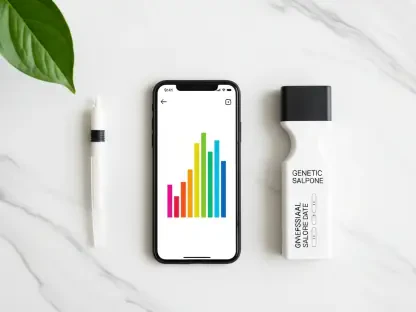
Beyond the tech itself, commercial interest is fueling rapid progress in this space. Products like specialized sweat patches already pair with smartphone apps to offer personalized advice on hydration or sodium loss, tailored to individual needs. These innovations show how far the field has come, but they’re just the beginning. Research teams are hard at work developing next-generation microfluidic systems to measure multiple biomarkers simultaneously, from glucose to stress indicators. Secure, low-power data transmission also means that health information can be shared with medical professionals in real time, bridging the gap between personal monitoring and clinical care. However, while prototypes dazzle with potential, scaling these solutions for widespread use remains a hurdle. Consistency across different skin types and environmental conditions is critical. Still, as technology matures, the vision of sweat-based wearables becoming everyday tools for health management feels tantalizingly close.
A Future Focused on Prevention
Looking ahead, the shift toward preventive healthcare through sweat-based wearables signals a broader cultural change in how society approaches wellness. Continuous monitoring flips the script from waiting for symptoms to staying ahead of them, empowering individuals to take charge of their health with data at their fingertips. Imagine a wearable alerting someone to elevated stress hormones during a hectic workday, prompting a break before burnout sets in. Or consider the peace of mind for those at risk of chronic diseases, knowing subtle warning signs are being tracked round-the-clock. This isn’t just about diagnosing—it’s about fostering a proactive mindset. With the ability to monitor trends over time, these devices could redefine routine checkups, making them more informed and less frequent. The integration of such tech into daily life, from fitness bands to medical-grade patches, promises to democratize access to health insights across all walks of life.
Equally compelling is the potential to reshape entire industries around this technology. Healthcare providers might lean on sweat data for more personalized treatment plans, while sports science could fine-tune training regimens with unprecedented precision. The journey from research labs to everyday use, though, still demands rigorous validation and user-friendly design. Addressing privacy concerns around biometric data will be crucial as wireless transmission becomes standard. Nevertheless, the groundwork laid by pioneering researchers offers a strong foundation. Reflecting on the strides made, it’s evident that collaborations between technologists and medical experts over recent years sparked a movement. Those efforts built a path toward non-invasive monitoring that once seemed out of reach. Now, the focus must turn to refining these tools and ensuring they reach those who need them most, paving the way for a healthier, more connected future.