Imagine a world where the most stubborn cancers, those that defy conventional treatments, can be halted not by destroying cells but by coaxing them into a state of permanent rest. This vision is inching closer to reality with a pioneering technology that harnesses the power of machine learning to detect subtle cellular changes invisible to the human eye. In the realm of cancer research, particularly for aggressive types like basal-like breast cancer, a new tool has emerged as a beacon of hope. This review delves into the intricacies of a morphology-based classification method that is redefining how researchers screen for compounds to induce senescence—a cellular aging process—in cancer cells, offering fresh possibilities for therapies where traditional approaches fall short.
Understanding the Core of This Technology
At the heart of this innovation lies a machine learning approach designed to identify pro-senescence compounds in p16-positive cancer cells. Unlike traditional methods that depend on often unreliable biomarkers, this tool focuses on the physical shape and structure of cells, known as senescence-associated morphological profiles. Developed to tackle the unique challenges of cancers with high p16 expression, it sidesteps the pitfalls of molecular markers by training on thousands of cell images to recognize true senescence—a state where cells stop dividing—distinct from other cellular responses.
The significance of this approach cannot be overstated. Many resistant cancers appear senescent even without treatment, muddying the waters for researchers seeking effective therapies. By shifting the focus to visual analysis, this technology provides a clearer lens through which to view cellular behavior. It represents a bold step toward precision in drug discovery, particularly for tumor types that have long eluded effective intervention due to their complex biological profiles.
Diving into Features and Functionality
Harnessing Morphology for Senescence Detection
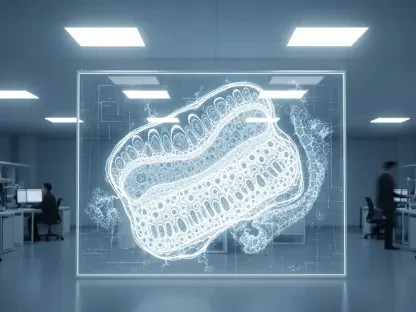
One of the standout features of this system is its reliance on cellular morphology as a detection mechanism. Trained on vast datasets of high-resolution images, the tool identifies specific patterns that signify senescence, distinguishing them from states like toxicity or normal variability. This method proves especially valuable in cancers where biomarkers are inconsistent, offering a reliable alternative that captures the nuanced structural shifts in cells as they age.
Moreover, the precision of this detection process allows researchers to bypass the guesswork that often accompanies biomarker-based screening. The ability to visually confirm senescence through machine learning algorithms marks a significant leap forward. It ensures that compounds inducing this desired state are accurately identified, paving the way for therapies that halt tumor growth without the collateral damage of cytotoxicity.
Seamless Integration of Imaging and Algorithms
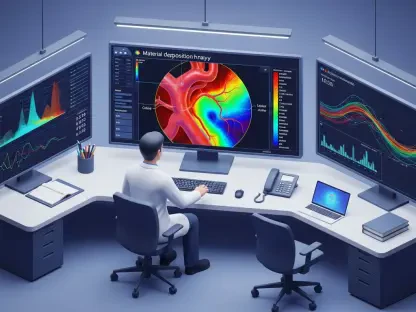
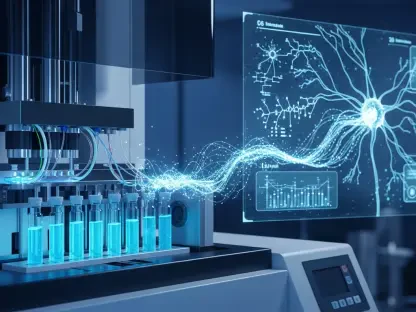
Another critical aspect is the integration of cutting-edge imaging technology with sophisticated machine learning models. High-throughput imaging captures detailed snapshots of cellular structures, which the algorithm then analyzes to classify behavior with remarkable accuracy. This synergy enables rapid screening of thousands of compounds, a feat that would be impossibly slow with manual methods.
The practical application of this integration shines in real-world drug discovery scenarios. For instance, the system has demonstrated its prowess by processing vast libraries of chemical compounds to pinpoint those capable of inducing senescence. Such efficiency not only accelerates the research timeline but also enhances the likelihood of uncovering novel therapeutic agents tailored to resistant cancers, showcasing the transformative potential of combining technology with biology.
Performance in the Field of Cancer Research
The performance of this machine learning tool is nothing short of impressive when applied to actual drug discovery efforts. In a notable application, it screened over 10,000 compounds using a p16-positive cell line, identifying a promising candidate that consistently induced senescence without harmful side effects. This compound proved effective even across cancer types resistant to established drugs, highlighting the tool’s ability to unearth solutions where others fail.
Beyond individual successes, the broader impact on morphology-based research is evident. The shift from biomarker dependency to visual analysis aligns with a growing trend in the field, where artificial intelligence is increasingly leveraged to decode complex cellular states. This technology stands as a testament to how computational approaches can reveal insights—such as potential mechanisms like p16 nuclear relocation—that might otherwise remain hidden, enriching the understanding of senescence as a therapeutic strategy.
Addressing Challenges and Limitations
Despite its groundbreaking capabilities, this tool is not without hurdles. Scaling the technology to accommodate a wider array of cancer types poses technical challenges, as diverse cellular profiles may introduce variability in morphological detection. Additionally, potential biases in image-based analysis could skew results if not carefully managed, underscoring the need for robust validation protocols.
Regulatory barriers also loom large, as machine learning tools in clinical contexts must meet stringent standards to ensure reliability and safety. Collaborative efforts are underway to refine the model, addressing these limitations through expanded datasets and cross-disciplinary research. Such initiatives aim to enhance the tool’s adaptability, ensuring it can meet the demands of varied therapeutic landscapes without compromising accuracy.
Looking Ahead: The Future of Senescence-Based Therapies
The road ahead for this technology brims with possibility. Advancements in machine learning algorithms could further sharpen its precision, enabling even more nuanced detection of cellular changes across a spectrum of cancer profiles. Expanding its application beyond current targets might unlock new therapeutic avenues, particularly for cancers with poor prognoses that remain underserved by existing treatments.
Equally exciting is the potential for integration into personalized medicine. As the tool evolves, it could play a pivotal role in tailoring therapies to individual patient needs, leveraging senescence as a gentler yet effective alternative to aggressive treatments. Continued development, supported by open-access platforms for collaboration, promises to amplify its impact, potentially reshaping the landscape of oncology over the coming years, from 2025 onward.
Final Thoughts and Next Steps
Reflecting on this review, it’s clear that this machine learning tool carved a notable path in cancer drug discovery by offering a novel way to detect senescence through cellular morphology. Its performance in identifying effective compounds amidst resistant cancers stood out as a highlight, proving that innovation could indeed tackle some of the toughest challenges in oncology.
Moving forward, the focus turned to actionable steps like broadening collaborative research to refine and expand the tool’s reach. Encouraging global access through shared platforms became a priority, as did integrating feedback from diverse cancer studies to enhance adaptability. These efforts aimed to solidify its place as a cornerstone of future therapies, ensuring that the promise of senescence-based treatments reached patients who needed them most.