
The world can fade to black not with a sudden closure of the eyes, but through a slow, imperceptible narrowing of one’s peripheral vision that often goes unnoticed until it is far too late. This insidious process is the hallmark of glaucoma, a leading cause of irreversible blindness that affects millions of people across the United States. Because it develops without pain or obvious symptoms in its early stages, many individuals are unaware they have the condition until a significant amount of permanent vision loss has already occurred.
This article serves as a comprehensive guide to understanding this complex disease. It aims to answer the most pressing questions about glaucoma, from its fundamental nature and the reasons behind its stealthy progression to identifying who is most vulnerable. By exploring the critical importance of early detection, the components of a proper eye examination, and the latest advancements in treatment, readers can gain the knowledge necessary to protect their sight proactively and effectively.
Answering Your Questions About Glaucoma
What Exactly Is Glaucoma and Why Is It Called the Silent Thief
Glaucoma is a serious disease characterized by progressive damage to the optic nerve, the vital bundle of nerve fibers that transmits visual information from the eye to the brain. When this nerve is damaged, it can no longer send complete signals, resulting in blind spots in the field of vision. The primary and only modifiable risk factor for this damage is elevated intraocular pressure, more commonly known as high eye pressure, which can only be measured by a professional during an eye exam.
The condition earned its ominous nickname, “the silent thief of sight,” because of its uniquely asymptomatic progression. In the early and even moderate stages, glaucoma is typically painless and causes no noticeable changes to central vision. Instead, it slowly erodes peripheral sight, the vision at the edges of one’s awareness. Most people do not notice this gradual loss in their daily lives until the damage becomes severe and begins to encroach on their central vision, by which point the optic nerve damage is extensive and irreversible.
Why Is Early Detection So Crucial
Given its silent nature, early detection stands as the single most powerful tool in preventing blindness from glaucoma. The entire strategy for managing the disease hinges on identifying it before significant damage occurs. The primary goal of any intervention is to lower and control the patient’s eye pressure, which has been proven to slow or halt further harm to the optic nerve. This preserves the remaining vision for the long term, allowing individuals to maintain their quality of life.
Consequently, managing glaucoma is much like managing other chronic conditions such as high blood pressure or diabetes. Once a diagnosis is made, it requires lifelong monitoring and consistent treatment. However, the outlook is far from grim. With a proactive approach involving medicated eye drops, laser procedures, or modern surgical options, further vision loss can be effectively managed. This transforms glaucoma from an inevitable sentence of blindness into a treatable condition where early and sustained care is the key to a positive outcome.
Who Is Most at Risk for Developing This Condition
While anyone can develop glaucoma, certain populations face a significantly higher risk, making targeted awareness and screening essential. Individuals of Black and Latino descent, for example, have a greater genetic predisposition for developing more severe and rapidly progressing forms of the disease. Therefore, regular screenings are particularly vital for these demographic groups to ensure any signs of the condition are caught at the earliest possible stage.
Age is another major factor, as the risk of glaucoma increases substantially for everyone over the age of 60. Moreover, a family history of the disease is a powerful predictor; anyone with a parent or sibling diagnosed with glaucoma should undergo routine eye examinations regardless of their age. Another consideration is the long-term use of steroid medications for other health issues, which can also elevate the risk. Understanding one’s personal risk profile based on these factors is the first step toward proactive vision protection.
What Does a Proper Glaucoma Screening Involve
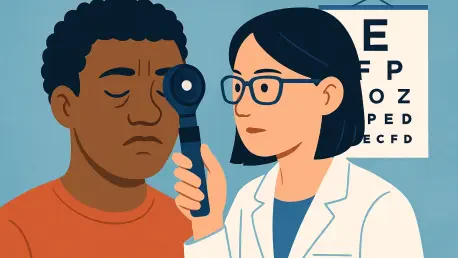
A comprehensive eye examination is the only definitive way to diagnose glaucoma, and it involves far more than simply checking a person’s prescription for glasses. The American Academy of Ophthalmology recommends that adults over 40 have an exam every one to two years, with more frequent screenings advised for those in high-risk categories. This examination is multifaceted, designed to assess the health of the optic nerve from several different angles.
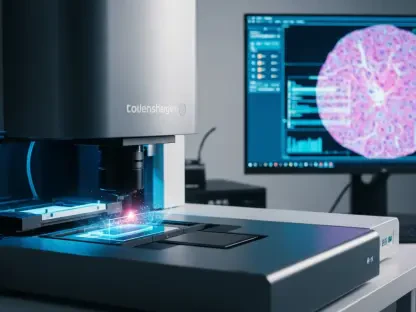
A proper screening includes measuring the intraocular pressure, but this is just one piece of the puzzle. An eye care professional will also use advanced imaging technology to take detailed pictures of the optic nerve, allowing for the detection of subtle changes over time. In addition, peripheral visual field testing is conducted to map out a person’s complete field of vision and identify any blind spots that may have gone unnoticed. This combination of tests provides a complete picture of a patient’s ocular health and can detect glaucoma long before symptoms appear.
What Modern Treatments and Research Are Available
The approach to combating glaucoma has evolved significantly, now encompassing a combination of advanced clinical care, community outreach, and pioneering research. State-of-the-art clinics provide a full spectrum of modern treatments, ranging from highly effective medicated eye drops and sophisticated laser therapies to minimally invasive micro-incisional glaucoma surgery (MIGS), which offers a safer and quicker recovery than traditional procedures.
Furthermore, the field is constantly advancing thanks to ongoing research. Clinical trials are underway for new medications designed to target the eye’s diseased drainage tissue directly, addressing the root cause of high pressure. Researchers are also developing long-acting implants that slowly release medication over several months, a breakthrough that could greatly improve patient adherence to treatment plans. Technology is also playing a key role, with digital imaging and artificial intelligence tools being integrated into diagnostic protocols to enhance the accuracy and accessibility of early glaucoma detection.
Key Takeaways on Protecting Your Vision
Protecting your sight from glaucoma begins with understanding that it is a manageable chronic condition, not an unstoppable force. The key to successful management lies entirely in early detection through regular, comprehensive eye examinations. This is especially true for individuals who fall into high-risk categories, including those with a family history of the disease, individuals of Black or Latino heritage, and all adults over the age of 60.
The diagnostic process is thorough, involving much more than a simple pressure check, incorporating advanced imaging and visual field testing to create a full picture of eye health. Should a diagnosis be made, a wide array of modern treatments is available to control eye pressure and prevent further vision loss. With ongoing advancements in research, from new medications to innovative drug-delivery systems, the ability to manage glaucoma effectively continues to improve, reinforcing the message that proactive care is the best defense.
Taking the Next Step for Your Eye Health
The information presented about glaucoma’s silent progression and the critical window for intervention painted a clear picture of personal responsibility in health care. The knowledge that a painless, symptom-free disease could permanently steal one’s sight underscored the immense value of proactive, preventive medicine. It became evident that waiting for a problem to announce itself was a flawed strategy when dealing with the delicate structures of the eye.
Ultimately, the power to prevent blindness from this disease rested not just with medical professionals but with each individual. By understanding personal risk factors and committing to a schedule of regular, comprehensive eye exams, one took the most important step toward preserving vision for a lifetime. The conversation about glaucoma shifted from one of fear to one of empowerment, where informed action became the definitive safeguard against the silent thief of sight.