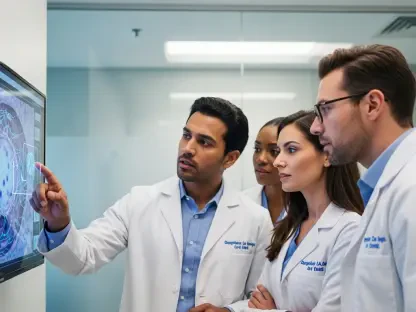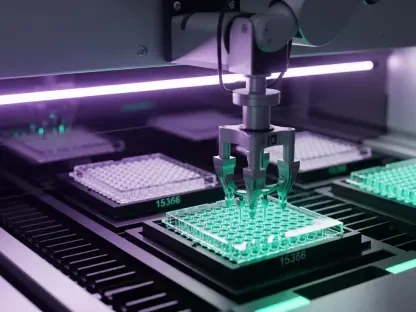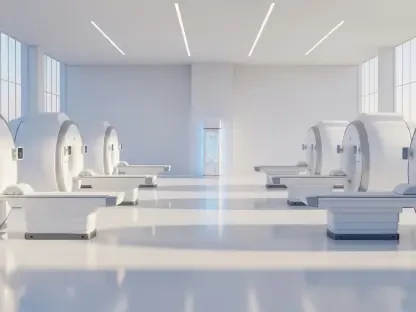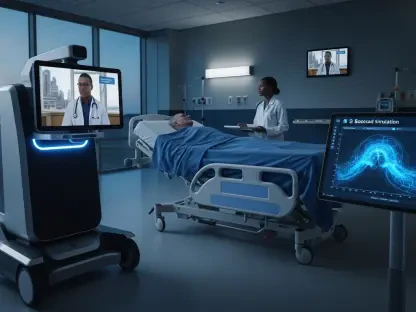

The global healthcare landscape is currently grappling with a profound imbalance between the rapidly increasing demand for medical imaging and the dwindling supply of specialized radiologists capable of interpreting these complex data sets. In a transformative move to address this crisis, RadNet, Inc., the premier provider of freestanding outpatient diagnostic imaging services in the United States, has finalized the acquisition of Gleamer SAS, a Paris-based pioneer in artificial intelligence for radiology. This strategic consolidation integrates Gleamer’s sophisticated technology into DeepHealth, RadNet’s digital health subsidiary, effectively creating the world’s most expansive provider of clinical AI solutions. By merging these entities, RadNet is not merely expanding its portfolio but is fundamentally reengineering the diagnostic pathway to ensure that every patient has access to rapid, high-accuracy interpretations regardless of local staffing limitations or the high volume of routine diagnostic exams.
Strategic Alignment: Addressing the Crisis of Workforce Scarcity
The current shortage of radiologists has reached a critical tipping point as aging populations and the rising prevalence of chronic conditions drive an unprecedented surge in the necessity for diagnostic imaging. Traditional models of healthcare delivery, which rely almost exclusively on human interpretation for every single study, are no longer sustainable under the weight of this increasing volume. RadNet has recognized that the only viable path forward involves a radical shift toward the automation of routine imaging. By focusing on high-volume, repetitive tasks such as standard X-rays and routine screenings, the company aims to alleviate the cognitive burden on its medical staff. This approach allows radiologists to pivot away from time-consuming, standardized reporting and toward the most complex and life-altering cases that require the highest levels of human expertise and clinical nuance in an increasingly crowded medical environment.
This acquisition signals a transition where artificial intelligence is no longer viewed as a peripheral tool or a simple diagnostic aid but rather as the foundational operating system for modern medical workflows. The integration of Gleamer’s technology enables a seamless transition from manual data entry and basic image viewing to a sophisticated, automated environment. This evolution is essential for maintaining the integrity of diagnostic standards while simultaneously increasing the throughput of imaging centers. By automating the “routine,” the healthcare system can effectively expand its capacity without necessarily increasing the number of human practitioners, which is a vital necessity given the current labor market. This strategic move ensures that RadNet remains at the forefront of the digital health revolution, providing a blueprint for how technology can be used to bridge the gap between supply and demand in the global radiology market.
Market Performance: Financial Growth and Global Reach
Gleamer has rapidly emerged as a dominant force in the artificial intelligence sector, particularly through its specialized focus on routine imaging for musculoskeletal, breast, lung, and neurologic applications. The company’s financial trajectory has been nothing short of remarkable, maintaining an annual recurring revenue compound annual growth rate of over 90 percent between 2026 and 2028. This growth is underpinned by a high-performing software-as-a-service business model that prioritizes cloud-native solutions and boasts industry-leading customer retention rates. With projections indicating that annual recurring revenue will reach approximately $30 million by the end of the current fiscal year, Gleamer represents a rare combination of scientific excellence and commercial scalability. This financial stability provides RadNet with a robust platform to further invest in the next generation of medical diagnostic tools.
Beyond its impressive financial metrics, the acquisition significantly broadens the international footprint of the combined entity, adding a massive global sales force and a highly productive research and development team. Gleamer currently operates in 44 countries with more than 700 active customer contracts, providing RadNet with immediate access to diverse markets and regulatory environments across the globe. The company’s portfolio is backed by over 60 peer-reviewed publications and includes solutions for more than 25 clinical indications, ensuring that every technological advancement is deeply rooted in clinical evidence. This scientific validation is crucial for gaining the trust of hospital systems and governmental health agencies, facilitating a smoother transition as these AI tools are deployed on a global scale. The synergy between RadNet’s domestic dominance and Gleamer’s international expertise creates a powerhouse.
Technical Synergy: Building the Comprehensive DeepHealth Ecosystem
The fusion of Gleamer’s capabilities with the existing DeepHealth infrastructure creates an unparalleled portfolio of clinical artificial intelligence solutions that span every major imaging modality. Prior to this acquisition, DeepHealth was already recognized for its industry-leading work in breast, neuro, and prostate health diagnostics. However, by incorporating Gleamer’s extensive expertise in trauma and bone health, the combined entity can now offer a comprehensive suite of tools for magnetic resonance, computed tomography, X-ray, and ultrasound. This unified technical stack allows for a more holistic approach to patient care, where data from different imaging types can be synthesized to provide a clearer picture of a patient’s overall health. This level of integration is a significant departure from the fragmented, single-use AI applications that have historically dominated the medical technology market.
The ultimate vision for this integration is the realization of the “DeepHealth OS,” a standardized diagnostic pathway designed to reduce variability in image interpretation and accelerate the delivery of care. This cloud-first operating system incorporates multiple layers of technology, including clinical AI for the detection of abnormalities, generative AI for the creation of draft medical reports, and agentic AI for the automation of complex operational workflows. By consolidating these diverse tools into a single, intuitive interface, RadNet is creating a scalable environment that can be deployed across a wide range of healthcare settings, from small rural clinics to large urban hospital systems. This platform-based approach not only improves the productivity of individual radiologists but also ensures a level of diagnostic consistency that was previously unattainable in a traditional, purely human-driven environment.
Operational Impact: Driving Efficiency across Internal Networks
RadNet intends to immediately leverage Gleamer’s advanced tools within its own internal network of outpatient centers to achieve significant gains in productivity and cost efficiency. X-rays currently account for nearly a quarter of the total imaging volume across RadNet’s facilities, making the automation of these routine scans a top operational priority. By implementing an end-to-end AI-enabled workflow, the company can now triage critical findings the moment an image is captured. This ensures that potentially life-threatening cases, such as an undetected fracture or a collapsed lung, are automatically moved to the top of the radiologist’s reading queue for urgent review. This intelligent prioritization not only saves time but also directly impacts patient safety by reducing the window between the diagnostic procedure and the initiation of treatment.
Furthermore, the technology plays a vital role in streamlining the administrative side of radiology through the generation of high-quality draft reports. These AI-generated drafts provide radiologists with standardized templates and preliminary findings, which the specialist can then verify, edit, and finalize in a fraction of the time it would take to create a report from scratch. This process is expected to significantly increase the volume of studies a specialist can read each day without compromising the accuracy of the final diagnosis. By addressing resource constraints through the intelligent application of technology, RadNet is optimizing its own internal operations while simultaneously serving as a model for how other healthcare providers can implement AI-driven solutions. This operational transformation is a key component of the company’s strategy to maintain its leadership in the outpatient imaging market.
Diagnostic Excellence: Improving Patient Outcomes through Automation
While the financial and operational benefits of this acquisition are substantial, the core objective remains the improvement of patient outcomes through earlier and more reliable disease detection. Artificial intelligence integration in large-scale screening programs has proven highly effective at identifying subtle abnormalities that a human eye might inadvertently overlook due to fatigue or the pressure of high workloads. By providing a “second set of eyes” that never tires, the technology ensures that every image is scrutinized with the same level of intensity and precision. This is particularly important in cancer screening, where the early detection of a small lesion can dramatically improve the chances of successful treatment. This human-centered approach to technological innovation places the patient at the heart of the diagnostic process.
The successful union of RadNet and Gleamer successfully transitioned the combined entity from a traditional service provider into a global technology leader. By integrating diverse AI modalities into a single, cohesive platform, the organization established a new standard for how medical imaging should be managed and delivered in a data-driven world. Industry stakeholders were encouraged to adopt similar integrated platforms to mitigate the ongoing expert shortages and ensure that diagnostic quality remained consistent across all geographic regions. The focus shifted toward the long-term sustainability of the healthcare workforce, where technology acted as a force multiplier for human expertise. These advancements provided a clear roadmap for future developments in automated diagnostics, emphasizing that the intelligent application of data was the most effective way to provide high-quality, accessible care to patients everywhere.