
Harnessing the immense chemical complexity of the natural world through the lens of artificial intelligence is fundamentally reshaping the landscape of modern medicine and biotechnology. This review explores the evolution of this approach, its key technological components, recent clinical milestones, and the impact it has had on developing treatments for complex diseases. The purpose of this review is to provide a thorough understanding of this technology, its current capabilities as demonstrated by companies like Enveda, and its potential for future development.
The Modern Renaissance of Natural Product-Based Therapeutics
The search for medicines in nature is an ancient practice, but its modern iteration represents a sophisticated convergence of biology, chemistry, and computational power. This renaissance is driven by a recognition that nature’s chemical diversity offers a vast, largely untapped reservoir of novel molecular structures, many of which are inherently optimized for biological activity. Unlike traditional synthetic chemistry, which often builds from simple scaffolds, this approach starts with complex molecules that have evolved over millennia.
Modern AI-driven discovery platforms are the engines of this revival. They integrate advanced metabolomics, high-throughput screening, and machine learning algorithms to systematically decode nature’s pharmacy. This allows scientists to move beyond serendipitous discovery and toward a deliberate, predictable process of identifying compounds with therapeutic potential. In the broader biopharmaceutical landscape, this positions natural product discovery as a powerful method for generating novel, first-in-class medicines that can address previously intractable diseases.
Key Components of the AI-Powered Discovery Engine
Unlocking Nature’s Chemical Diversity
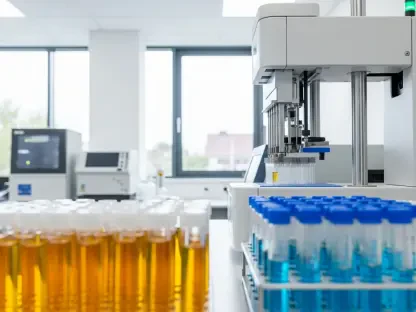
The core strength of this technology lies in its ability to systematically explore the chemical libraries found in plants, fungi, and microbes. Modern platforms function by creating comprehensive chemical maps of these natural sources, identifying and characterizing thousands of compounds within a single sample. This process moves far beyond traditional screening, which often tested crude extracts for general activity, leading to high failure rates and difficulty in identifying the active molecule.
Instead, these advanced systems can isolate and identify novel compounds at an unprecedented scale and speed. By building proprietary databases of these natural molecules, companies can computationally screen for candidates against specific disease targets. This methodical exploration turns the randomness of nature into a structured and searchable resource, significantly increasing the probability of finding unique chemical starting points for new drugs.
Integrating AI and Machine Learning in Candidate Identification
Artificial intelligence and machine learning are the critical components that translate this vast chemical data into actionable insights. These computational tools analyze complex biological and chemical datasets to predict how a natural compound will interact with human biology. Algorithms can forecast a molecule’s efficacy, toxicity, and mechanism of action before it ever enters a laboratory test tube, saving immense time and resources.
Technically, this involves training machine learning models on multi-omics data, chemical structure information, and known drug-target interactions. These models learn to recognize patterns that correlate with therapeutic potential, allowing them to prioritize the most promising compounds for further development. This predictive power dramatically accelerates the journey from a newly discovered molecule to a viable drug candidate, enabling a more efficient and targeted discovery pipeline.
Recent Developments and Clinical Validation
The true measure of any drug discovery platform is its ability to produce clinical-stage assets, and in this regard, AI-powered natural chemistry is demonstrating significant success. Recent regulatory milestones are validating the technology’s trajectory from a promising concept to a productive development engine. These advancements provide tangible proof that nature’s chemistry, when decoded by AI, can yield novel therapeutics for major human diseases.
A prime example is Enveda’s recent FDA clearance for its Investigational New Drug (IND) application for ENV-101, a first-in-class oral small molecule for atopic dermatitis. This achievement marks one of three distinct therapeutic candidates from the company’s platform to enter human trials, alongside assets for Inflammatory Bowel Disease (IBD) and obesity. The progression of multiple candidates for high-value indications underscores the platform’s capacity to consistently translate natural chemistry into a robust pipeline of clinical-stage drugs.
A Real-World Application in Inflammatory Bowel Disease
Addressing Critical Unmet Needs in the IBD Landscape
The clinical need for innovation in treating Inflammatory Bowel Disease, which includes Crohn’s disease and ulcerative colitis, is profound. Current treatments, while beneficial for some, are hampered by significant limitations. A large percentage of patients either fail to respond to initial therapies or lose their response over time, forcing them into a burdensome cycle of switching medications in search of sustained relief.
This constant therapeutic churn not only diminishes quality of life but also carries risks of disease progression, leading to hospitalization, dependence on corticosteroids, and potentially irreversible surgical interventions. The emotional and physical toll on millions of patients worldwide highlights an urgent demand for safer, more durable, and more convenient treatment options that can break this cycle and offer lasting disease control.
ENV-6946 as a Novel Oral, First-in-Class Solution
ENV-6946 represents a promising step toward meeting this need. As a first-in-class therapeutic candidate, it operates through a novel biological mechanism, offering a completely new approach distinct from existing treatments. This is particularly crucial for patients who have exhausted current options. Its development as a convenient oral small molecule is a key differentiator in a market dominated by injectable biologics.
The shift toward an oral therapy could significantly improve patient adherence and quality of life, removing the burden of injections and clinic visits. By providing a new mechanism of action in an accessible formulation, ENV-6946 exemplifies how natural chemistry platforms can generate solutions tailored to address the most pressing limitations of the current standard of care in chronic inflammatory conditions.
Overcoming Challenges Through Industry Collaboration
The Hurdle of Disease Heterogeneity
One of the most significant challenges this technology faces is the inherent complexity of the diseases it targets. Conditions like Crohn’s disease and ulcerative colitis are notoriously heterogeneous, meaning the underlying biological drivers can vary widely from one patient to another. This variability is a primary reason why a one-size-fits-all approach often fails, and a drug that works for one individual may have no effect on another.
Addressing this heterogeneity requires a deeper understanding of patient-specific disease pathways and biomarkers that can predict treatment response. For any new therapeutic, including those derived from natural chemistry, success depends not only on the molecule itself but also on identifying the right patient population for which it will be most effective. This technical hurdle is a central focus of modern drug development.
Advancing Precision Medicine Through Collaborative Forums
The path toward overcoming these challenges lies in collaboration and the integration of precision medicine. Industry forums like the Precision Medicine in IBD Summit serve as crucial platforms for experts from leading biopharmaceutical companies to share insights and foster innovation. These events facilitate discussion on cutting-edge approaches that are essential for tackling disease heterogeneity.
Through these collaborative efforts, the field is advancing new strategies, including sophisticated combination therapies, advanced diagnostics to stratify patients, and the application of AI to analyze clinical data. By bringing together diverse expertise, the industry can collectively work to mitigate the limitations of current treatments and pave the way for a more personalized standard of care, where novel drugs are matched to the patients most likely to benefit.
Future Trajectory and Long-Term Impact
The trajectory for AI-driven natural product discovery points toward broader applications and deeper integration with personalized medicine. The success of this model in identifying candidates for IBD, obesity, and atopic dermatitis provides a blueprint for its application to a wide range of other complex diseases characterized by significant unmet needs. The platform’s scalability suggests a future where discovery pipelines are continuously populated with novel, first-in-class molecules.
A key development will be the integration of these novel therapies with advanced diagnostics. The ability to pair a new drug with a companion diagnostic that identifies responsive patient subgroups will be transformative. This synergy promises to create a more effective and predictable standard of care, moving beyond generalized treatment paradigms and toward a future where medicine is tailored to the individual’s unique biology.
A New Paradigm in Drug Discovery
This review has analyzed the re-emergence of natural chemistry as a formidable force in drug discovery, a shift catalyzed by the integration of artificial intelligence. The technology’s core components—the systematic exploration of nature’s chemical diversity and the predictive power of machine learning—have demonstrated their capacity to build a productive and innovative pipeline. The clinical validation of multiple assets, such as the candidates for IBD and atopic dermatitis, provides concrete evidence of the platform’s success.
The potential of this approach was further illustrated by its direct application to the significant unmet needs in complex inflammatory diseases and its alignment with the broader industry movement toward precision medicine. Ultimately, AI-powered natural chemistry discovery has established a new paradigm. It has proven its ability to deliver a new class of safer, more durable, and more convenient small-molecule drugs, fundamentally altering the future of the pharmaceutical industry.