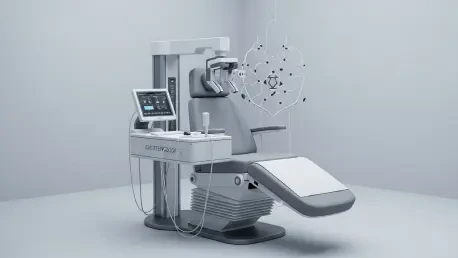

The Icahn School of Medicine at Mount Sinai has recently launched a groundbreaking clinical trial to investigate a rapid, high-tech solution for postpartum depression that could fundamentally change maternal mental health care. This study evaluates the efficacy of the SAINT® neuromodulation system, which represents a sophisticated evolution of traditional transcranial magnetic stimulation. By utilizing a non-invasive and drug-free approach, the trial aims to provide a vital lifeline for new mothers who require immediate relief from debilitating mood disorders that often interfere with daily life. The scope of this timeline highlights the crucial transition from traditional, slow-acting psychiatric interventions to high-tech, individualized brain stimulation protocols. Understanding this shift is vital today, as postpartum depression affects approximately one in seven new mothers, often leading to long-term consequences for both maternal well-being and child development. This research represents a pivotal moment in medical history, seeking to bridge the existing gap between emerging neuroscience and urgent clinical needs in the delivery room and beyond.
The Evolution of Rapid Intervention for Postpartum Depression
2021: FDA Clearance of the SAINT® Neuromodulation System
Before its application to specific postpartum care, the SAINT® system achieved a major milestone by receiving FDA clearance for the treatment of major depressive disorder in adults. This technology distinguished itself from conventional magnetic stimulation by integrating functional MRI data to map unique brain connectivity for each patient. This breakthrough laid the essential foundation for the current trial, proving that accelerated, targeted magnetic pulses could effectively “reset” neural activity in regions of the brain responsible for emotional regulation. It moved the needle from general stimulation to a map-based precision that ensures the right parts of the brain receive the necessary therapeutic signals.
2023: Securing the $11.6 Million Department of Defense Grant
The momentum for rapid postpartum depression treatment accelerated significantly when the U.S. Department of Defense awarded an $11.6 million grant to fund a multi-site study. This substantial financial backing underscored the societal and strategic importance of maternal mental health on a national scale. The grant enabled Mount Sinai to join forces with the Medical University of South Carolina, Dell Medical School at UT Austin, and UMass Chan Medical School. Together, they created a robust research network dedicated to testing the SAINT® protocol specifically for the postpartum population, ensuring a diverse and statistically significant cohort of participants.
2024: Launch of the Mount Sinai Accelerated PPD Trial
The current phase marks the official launch of the clinical trial at Mount Sinai, introducing an intensive five-day treatment schedule designed for speed. Unlike traditional therapies that often take several months to show any measurable results, this protocol delivers ten 10-minute sessions per day. This period represents a dramatic shift toward early intervention, where participants are enrolled regardless of whether they have failed previous medications or other psychiatric interventions. By targeting the first year after childbirth, the study aims to establish a new timeline for recovery that matches the natural urgency of the postpartum period and the needs of a newborn.
Significant Turning Points and the Shift in Psychiatric Standards
The most significant turning point in this timeline is the transition from generalized psychiatric care to the realm of precision medicine. The use of functional MRI to guide magnetic pulses represents a definitive move away from the “one-size-fits-all” approach of standard oral antidepressants. A major theme emerging from this research is the prioritization of speed; the trial’s five-day remission goal directly addresses the critical “window of bonding” between mother and infant that is often disrupted by prolonged depressive episodes. One notable shift in industry standards highlighted here is the inclusion of patients who have not yet tried medication, suggesting that advanced neuromodulation may soon become a first-line therapy rather than a last-resort option. While the technology is promising, a current gap remains in the long-term scalability of such high-tech outpatient procedures for the general public, as the equipment and expertise required are currently concentrated in major academic centers.
Nuances of Neuromodulation and Future Implications for Reproductive Care
Beyond the technical mechanics, the Mount Sinai trial explores the nuanced biological landscape of the postpartum brain. Expert opinions suggest that the massive hormonal fluctuations following childbirth make this specific population uniquely suited for rapid neuroplasticity interventions. Unlike standard magnetic stimulation, which can be a slow process spanning many weeks, the SAINT® protocol’s accelerated nature addresses the practical logistical hurdles new mothers face, such as childcare and breastfeeding schedules. A common misconception is that brain stimulation is a radical or invasive measure; however, this trial highlights its safety as a non-systemic option that avoids the side effects often associated with psychiatric drugs. As the study progressed, the findings influenced regional healthcare policies, suggesting a future where specialized neuromodulation hubs are integrated within maternity hospitals. This transition ensured that mental health was treated with the same urgency as physical recovery after birth. The scientific community looked toward a landscape where rapid remission became the standard, allowing families to thrive during the most formative months of a child’s life.