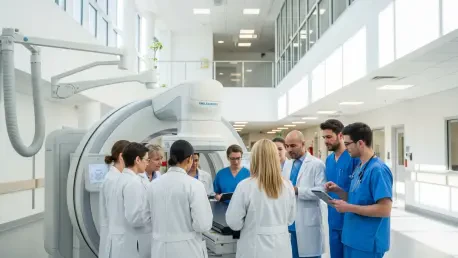

The official ribbon-cutting ceremony at Kitimat General Hospital on March 27, 2026, marked a transformative shift in rural healthcare delivery for the residents of the North Coast. For years, the community anticipated the arrival of local Computed Tomography imaging, a technological gap that often necessitated arduous journeys for patients in need of immediate answers. This landmark achievement is not merely the installation of a machine but the culmination of rigorous planning and a massive structural renovation of the imaging department. By establishing a purpose-built space within the existing facility, the hospital has prepared itself for a new era of medical precision. The scanner is set to begin clinical operations on April 9, 2026, focusing initially on the most urgent cases to ensure a smooth transition. This phased rollout allows the dedicated medical team to finalize their specialized training while immediately addressing the high-priority diagnostic needs of the region. As the facility moves toward full-scale service by late spring, the atmosphere among staff remains one of profound optimism and renewed purpose. This modern infrastructure serves as a beacon of progress, demonstrating that geographic isolation should no longer be a barrier to receiving top-tier medical evaluation. The investment reflects a deep commitment to the health of the Haisla Nation and all Kitimat residents, ensuring that the technology available within their own borders matches the standards found in much larger urban centers.
Advancing Localized Medical Interventions
Optimizing Emergency Response and Logistics
Historically, the reliance on diagnostic facilities in Terrace created a significant bottleneck for local emergency services and patient care. Every time a patient required a CT scan for a suspected stroke or severe trauma, a complex logistical chain was triggered, often involving ambulance transfers that took paramedics away from the community for several hours. By localizing these high-level diagnostic services, Kitimat General Hospital effectively returns those vital resources to the local streets. The reduction in transfer times is expected to save lives by facilitating faster clinical decisions during the critical early windows of emergency medicine. Furthermore, the presence of an on-site scanner means that local physicians can now monitor deteriorating conditions in real-time without the risks associated with long-distance transport. This shift significantly lightens the burden on the regional transport network, ensuring that ambulances remain available for new emergencies rather than being occupied by predictable diagnostic transfers. The efficiency gained here ripples through the entire healthcare system, allowing for a more responsive and agile medical environment that prioritizes the immediate safety of the community.
Clinical Impact on Chronic and Acute Conditions
Beyond the immediate needs of the emergency department, the new CT scanner provides a vital tool for the ongoing management of cancer and other chronic illnesses. Early detection and precise staging are critical components of oncology, and having this technology available locally means patients can undergo routine monitoring without the added stress of travel. The high-resolution imaging capabilities allow for more accurate mapping of tumors and the evaluation of treatment efficacy, which are essential for coordinating care with specialists across the province. For stroke victims, the ability to perform rapid brain imaging can mean the difference between permanent disability and a successful recovery. The clinical team has noted that the integration of this scanner into the daily workflow will revolutionize how internal medicine is practiced in the region. By providing these sophisticated tools to the local medical staff, the hospital is ensuring that the quality of care for both acute and long-term patients is significantly elevated to meet modern benchmarks. This clinical advancement ensures that patients receive a seamless continuum of care, from initial diagnosis to long-term follow-up, all within their own community.
Fiscal Partnerships and Institutional Evolution
The Tripartite Funding Model and Community Contributions
The realization of this $4.7-million project was made possible through a robust tripartite funding model that blended public resources with unprecedented local philanthropy. While the provincial government and the North West Regional Hospital District provided essential foundational support, the Kitimat General Hospital Foundation spearheaded a community campaign that raised a remarkable $2.4 million. This effort was bolstered by significant contributions from industry and private entities, including LNG Canada, the Max Lange Foundation, and the First West Foundation. The District of Kitimat also played a pivotal role by contributing $800,000 toward the initiative, signaling a unified front in prioritizing the health of the citizenry. Such a collaborative approach illustrates how public-private partnerships can successfully bridge the gap in rural infrastructure. This financial synergy not only covered the cost of the advanced imaging hardware but also funded the extensive renovations required to house the delicate equipment within the hospital’s existing footprint, ensuring a long-term asset for the community. The success of this fundraising initiative serves as a blueprint for other rural regions seeking to upgrade their medical facilities through diverse and engaged funding sources.
Professional Recruitment and Future Healthcare Stability
Implementing high-tech medical solutions is a primary driver for the recruitment and retention of skilled healthcare professionals in northern climates. Specialists and nursing staff are more likely to commit to rural practice when they have access to the diagnostic tools necessary to perform their jobs effectively. By modernizing its imaging department, Kitimat General Hospital has positioned itself as a competitive environment for medical graduates and seasoned practitioners alike. This technological upgrade fosters a culture of continuous learning and professional growth, as staff engage with the latest imaging protocols and diagnostic software. Looking ahead, the hospital must now focus on expanding its technical support teams and ensuring that the pipeline for radiologic technologists remains robust. The next logical step involves integrating these localized results into broader telehealth networks to allow for instantaneous consultation with urban specialists. This forward-thinking strategy ensures that the investment in a CT scanner serves as a foundation for future expansions in surgical and specialized medical services within the region. By securing the latest technology, the hospital has created a sustainable environment that attracts top-tier talent and ensures the long-term viability of the regional healthcare system.
The successful launch of the imaging department expansion demonstrated the profound impact of collective community action on rural health infrastructure. It was clear that the arrival of the CT scanner represented more than just a new piece of equipment; it served as a catalyst for a more equitable healthcare model. Moving forward, the facility should prioritize the development of a comprehensive maintenance and upgrade schedule to ensure the technology remains at the cutting edge. Authorities focused on strengthening the local training programs for imaging technicians to minimize reliance on external staffing agencies. Furthermore, health leaders explored the potential for this site to serve as a regional hub for specialized diagnostic clinics, further reducing the need for travel across the North Coast. By establishing this localized diagnostic core, the hospital paved the way for future investments in cardiology and neurology. The focus shifted toward utilizing the data generated by this scanner to improve preventative care strategies, ultimately leading to a more resilient and self-sufficient local healthcare system that addressed the unique needs of the northern population.