
The persistent link between a stressful week and an unwelcome skin breakout, or the way certain meals can either energize the mind or cast a fog over it, is far more than mere coincidence. These everyday experiences are surface-level indicators of a profound and constant dialogue happening deep within the body. This hidden conversation, orchestrated by trillions of microorganisms residing in the digestive system, sends a cascade of signals that fundamentally influence how we feel, how our skin appears, and even the pace at which our bodies age. Understanding this intricate network is shifting the paradigm of modern health, moving the focus from treating symptoms in isolation to nurturing the foundational ecosystem that governs our overall well-being.
Beyond a Gut Feeling The Hidden Conversation Shaping Your Health
For decades, the body was viewed as a collection of specialized, independent systems. The brain managed thoughts, the skin acted as a protective barrier, and the gut simply digested food. Emerging science, however, has dismantled this siloed perspective, revealing a deeply interconnected reality. At the heart of this new understanding is the gut microbiome, an intricate community of bacteria, viruses, and fungi that acts as a central communication hub. This internal ecosystem doesn’t just process nutrients; it actively translates dietary information into biochemical messages that are dispatched throughout the body, dictating instructions to our immune cells, neurons, and even our skin cells.
This biological switchboard operates through a complex interplay of immune, metabolic, and neural pathways. The food consumed directly nourishes specific microbial communities, determining which messages get sent. A diet rich in plant fibers might prompt the production of anti-inflammatory signals, while a meal high in processed sugar could trigger an opposing, pro-inflammatory cascade. This constant signaling explains why contemporary health challenges, from chronic anxiety and persistent eczema to the biological markers of aging, are increasingly traced back to the health and diversity of our gut inhabitants.
Welcome to the Gut-Brain-Skin Axis Your Bodys Integrated Superhighway
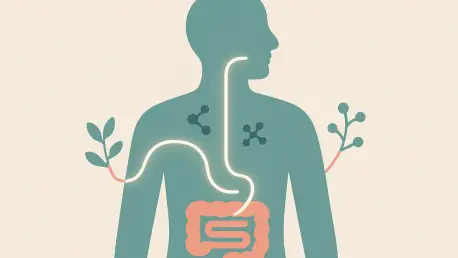
The formal name for this integrated network is the gut-brain-skin axis, a term that describes the bidirectional communication channels linking the digestive tract, the central nervous system, and the integumentary system. This is not a one-way street; just as the gut influences the brain, psychological stress originating in the brain can alter gut motility and microbial composition. The communication is constant, with signals traveling along pathways like the vagus nerve, a critical conduit that relays information about satiety, inflammation, and metabolic status from the gut directly to the brain.
The axis is initiated the moment food is consumed, activating the hypothalamic-pituitary-adrenal (HPA) axis, the body’s central stress response system. Simultaneously, the gut microbiome begins its work, metabolizing dietary components into bioactive compounds. These metabolites are the true language of the axis, serving as messengers that can cross biological barriers to modulate cellular function in distant parts of the body. This intricate system means that the composition of a single meal can initiate a chain reaction that ultimately affects everything from cognitive function to the skin’s ability to retain moisture.
The Core Connections How Gut Health Translates to Whole-Body Wellness
The link between gut health and mental state is particularly profound. A primary mechanism involves systemic inflammation, which often begins with a compromised gut barrier, popularly known as “leaky gut.” This condition allows bacterial components, such as lipopolysaccharides (LPS), to escape the intestines and enter the bloodstream. Once in circulation, these endotoxins can cross the blood-brain barrier, triggering neuroinflammation. This inflammatory state is associated with reduced levels of brain-derived neurotrophic factor (BDNF), a molecule essential for neuronal health and mood regulation, and has been linked to impaired cognitive function and depressive symptoms.
Furthermore, the gut microbiome is a key player in metabolizing tryptophan, an essential amino acid that serves as the precursor to serotonin, the “feel-good” neurotransmitter. An imbalanced gut microbiome, or dysbiosis, can divert tryptophan away from serotonin production and down a different metabolic route called the kynurenine pathway. This pathway produces compounds that can be neurotoxic, establishing a direct biochemical link between the state of the gut and the potential for mood disorders.
The axiom that clear skin begins from within is strongly supported by the science of the gut-skin connection. When the intestinal wall becomes permeable, the same inflammatory mediators that affect the brain also travel through the bloodstream to the skin. There, they can provoke or worsen chronic inflammatory skin conditions like acne, atopic dermatitis, and psoriasis. Research consistently shows that individuals with these conditions often exhibit an imbalance in their gut bacteria, such as reduced populations of beneficial Bifidobacterium species, which are known for their anti-inflammatory properties.
This internal imbalance has direct external consequences. Key microbial metabolites, particularly the short-chain fatty acid (SCFA) butyrate, are vital for strengthening the skin’s own defensive barrier. A reduction in butyrate production weakens the tight junctions between skin cells, compromising the skin’s ability to retain moisture and defend against environmental pathogens and allergens. This leads to increased transepidermal water loss, dryness, and heightened sensitivity, illustrating how a healthy gut lining directly contributes to a resilient and hydrated skin surface.
The influence of the gut microbiome extends even to the fundamental processes of aging. One of the hallmarks of aging is the accumulation of damaged cellular components, particularly mitochondria, the powerhouses of our cells. The process of clearing out these dysfunctional mitochondria, known as mitophagy, is crucial for maintaining cellular health and slowing age-related decline. Remarkably, certain gut microbes, when supplied with polyphenols from foods like berries and nuts, produce a metabolite called Urolithin A. Studies have demonstrated that Urolithin A is a potent enhancer of mitophagy, suggesting a microbial pathway to cellular rejuvenation.
Beyond cellular cleanup, a diverse and healthy gut microbiome helps to control “inflammaging,” the chronic, low-grade inflammation that is a major driver of the aging process. By maintaining a strong gut barrier and producing anti-inflammatory compounds, beneficial microbes can quell this systemic inflammation. Moreover, specific probiotic strains have been shown to mitigate UV-induced skin aging by reducing the expression of matrix metalloproteinases (MMPs), enzymes that break down collagen and elastin, the proteins responsible for skin’s structure and elasticity.
Expert Insights What the Research Says
An expanding body of scientific literature continues to validate these intricate connections, moving the gut-brain-skin axis from theory to established biology. Clinical studies demonstrate that diets rich in polyphenols and prebiotic fibers actively cultivate the growth of beneficial bacteria like Faecalibacterium and Roseburia. These microbes are exceptionally efficient at producing butyrate, the SCFA essential for fortifying the gut barrier and maintaining immune balance. These findings provide a clear, evidence-based rationale for dietary recommendations centered on diverse, plant-based foods.
In contrast, research consistently links Western-style dietary patterns, characterized by high intakes of saturated fats and refined sugars, to negative outcomes. Such diets are shown to drastically reduce microbial diversity, which is a key indicator of gut health. They also promote increased intestinal permeability, allowing endotoxins to seep into the circulation and fuel the systemic inflammation that underpins many chronic diseases. This robust evidence highlights diet as one of the most powerful and accessible tools for modulating the health of the entire axis.
In the realm of mental health, the concept of “psychobiotics” is gaining significant traction. These are live organisms that, when ingested in adequate amounts, produce a health benefit in patients suffering from psychiatric illness. Specific probiotic strains, such as Lactobacillus rhamnosus and Bifidobacterium longum, have demonstrated a capacity to reduce stress reactivity and improve symptoms of depression in clinical trials. The proposed mechanisms are multifaceted, including the enhancement of tryptophan availability for serotonin synthesis and direct communication with the brain through the vagus nerve, effectively using the gut as a conduit to modulate brain function.
Nurturing Your Inner Ecosystem A Practical Guide to Gut Health
Translating this complex science into actionable lifestyle changes begins with prioritizing fiber and polyphenols. Incorporating a wide variety of plant-based foods is the most effective strategy for cultivating a diverse and resilient microbiome. Prebiotic fibers, found in foods like oats, onions, garlic, and asparagus, act as a dedicated food source for beneficial bacteria. Simultaneously, polyphenols—the vibrant compounds in berries, nuts, dark chocolate, and green tea—provide fuel for microbes that produce potent anti-inflammatory molecules. The greater the diversity of plants on the plate, the greater the diversity of microbes in the gut.
Embracing fermented foods is another cornerstone of a gut-supportive lifestyle. Foods like yogurt, kefir, kimchi, sauerkraut, and kombucha are natural sources of probiotics, live beneficial bacteria that can help enhance microbial diversity. Regular consumption of these foods has been shown to not only bolster the populations of helpful microbes but also to actively reduce systemic inflammatory markers in the body. Integrating even a small serving of a fermented food into one’s daily routine can provide a consistent infusion of beneficial organisms to the gut ecosystem.
Adopting a broadly anti-inflammatory dietary pattern provides a holistic framework for supporting the gut-brain-skin axis. The Mediterranean diet serves as an excellent model, with its emphasis on whole grains, fruits, vegetables, legumes, olive oil, and fish. This eating pattern naturally delivers an optimal mix of prebiotic fibers, polyphenols, and healthy omega-3 fatty acids. Together, these components work synergistically to improve microbial diversity, boost the production of protective SCFAs, and lower the systemic inflammation that can negatively impact mood, skin, and the aging process.
Finally, a crucial step in nurturing the gut microbiome is to limit foods known to cause it harm. Minimizing the intake of highly processed foods, added sugars, and excessive saturated fats is essential. These components of a typical Western-style diet have been shown to reduce microbial diversity, compromise the integrity of the intestinal lining, and promote the growth of less beneficial bacteria. Avoiding these foods helps to break the cycle of inflammation that drives dysfunction across the gut-brain-skin axis, creating a more favorable internal environment for whole-body health.
The intricate and undeniable connection between the gut, brain, and skin provided a new lens through which to view health and disease. It became clear that the trillions of microbes within the digestive system were not passive bystanders but active participants in regulating mood, maintaining skin integrity, and influencing the biological clock. This understanding prompted a shift in both clinical practice and personal wellness, moving away from symptom-specific treatments and toward holistic strategies centered on nourishing this foundational inner ecosystem. The future of health, from managing mental well-being to promoting graceful aging, appeared to lie not in a complex pharmaceutical solution but in the mindful cultivation of the life within.