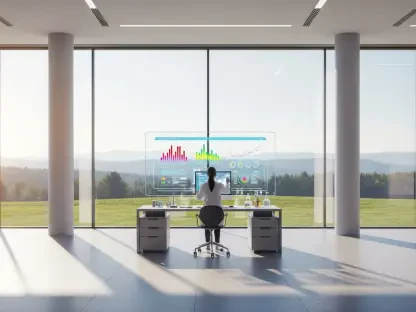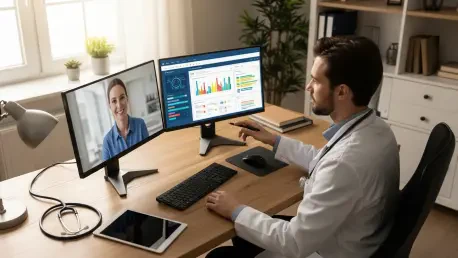

The traditional medical model, once defined by rows of plastic chairs in sterile waiting rooms and the logistical hurdles of physical travel, has fundamentally shifted toward a digital-first paradigm that prioritizes patient accessibility above all else. This transformation is not merely a reaction to past global events but represents a permanent structural realignment of how health services are delivered and consumed in the modern era. By decoupling clinical expertise from specific geographic coordinates, the industry has successfully moved toward a “care on demand” framework that mirrors the convenience of other essential digital services. This evolution reflects a broader societal expectation where healthcare must integrate seamlessly into the daily rhythms of life rather than forcing individuals to pause their professional and personal obligations. As remote consultations become the standard starting point for patient interactions, the role of the physical clinic is being redefined as a specialized destination for procedures that strictly require tactile intervention.
Enhancing Patient Outcomes Through Convenience
Telehealth effectively eliminates the inherent friction points that have historically discouraged individuals from seeking timely medical advice, such as the need to navigate dense urban traffic or secure expensive childcare services. For the modern workforce, the ability to join a secure video consultation from a home office or during a brief window between meetings is a transformative development that removes the “unavoidable inconvenience” of the legacy healthcare system. This ease of access ensures that minor health concerns are addressed before they escalate into significant medical issues, fostering a culture where seeking professional guidance is as routine as any other online interaction. Furthermore, the removal of travel-related stress allows patients to arrive at their virtual appointments in a more composed state, which often leads to more productive discussions regarding symptoms and treatment plans. This shift represents a significant win for productivity and personal time management.
The logistical flexibility provided by virtual platforms does more than simply save time; it creates a measurable improvement in overall health outcomes by significantly increasing patient adherence to follow-up schedules. When the barriers to entry—such as the requirement to take a full day off work or pay for public transit—are removed, patients are statistically more likely to maintain consistency with their prescribed check-ups and chronic disease management plans. This consistent engagement allows medical professionals to monitor progress in real-time and adjust treatments proactively rather than waiting for a crisis to occur. Consequently, the focus of the medical industry is shifting from reactive emergency treatments to a more sustainable model of preventative maintenance and long-term wellness. By making it easier for patients to say “yes” to an appointment, telehealth is effectively bridging the gap between clinical recommendations and actual patient behavior, leading to a healthier population overall.
Bridging the Gap in Healthcare Equity
One of the most profound impacts of the current digital healthcare revolution is its capacity to dismantle the geographical barriers that have long marginalized residents living in rural or remote regions. For decades, individuals outside of major metropolitan hubs faced significant hurdles when attempting to access top-tier specialists, often involving multi-hour drives and overnight stays just for a consultation. Telehealth has effectively collapsed these distances, allowing a patient in a secluded farming community to consult with a world-renowned oncologist or neurologist located hundreds of miles away without leaving their living room. This democratization of expertise ensures that the quality of care an individual receives is no longer strictly determined by their zip code. By digitizing the initial consultation and monitoring phases, the healthcare system can distribute its specialized knowledge more equitably across diverse demographics and varying socio-economic landscapes.
Beyond one-off consultations, the integration of remote monitoring technologies allows for a level of continuous care that was previously impossible for those far from urban medical centers. Patients with chronic conditions such as diabetes or hypertension can now use connected devices to transmit vital data directly to their healthcare providers, ensuring that their status is monitored regardless of their proximity to a physical clinic. This expansion of access is particularly vital for aging populations who may have limited mobility or for low-income families who lack reliable transportation options. The ability to receive high-quality guidance and routine monitoring remotely reduces the burden on local, often overstretched rural clinics, allowing them to focus resources on urgent in-person needs. In this way, telehealth functions as a vital equalizer, ensuring that the benefits of medical advancement are accessible to all citizens, fostering a more inclusive and resilient national health infrastructure.
Improving the Psychological and Economic Patient Experience
The qualitative experience of receiving medical care undergoes a significant positive shift when the interaction occurs within the safety and privacy of a patient’s own home environment. Clinical settings, while necessary for sterile procedures, frequently induce a state of heightened anxiety known as “white coat syndrome,” which can artificially elevate blood pressure and cause patients to withhold sensitive information. In contrast, the comfort of a familiar setting encourages more open, honest, and detailed communication between the patient and the provider, which is critical for accurate diagnosis and effective treatment planning. This sense of personal agency allows individuals to feel like active participants in their own care rather than passive subjects in a clinical trial. The psychological benefit of removing the sterile, intimidating atmosphere of the traditional exam room cannot be overstated, as it fosters a stronger, more trusting therapeutic alliance that serves as the foundation for successful long-term health management.
From an economic perspective, virtual care offers substantial savings for both the individual and the broader healthcare system by eliminating the various indirect costs associated with physical visits. Patients no longer need to budget for fuel, parking fees, or public transportation, nor do they face the financial strain of lost wages due to extended absences from work. For the healthcare provider, the shift toward telehealth allows for greater administrative efficiency and a reduction in the overhead costs required to maintain and staff expansive waiting areas and non-procedural exam rooms. By streamlining routine follow-ups and non-emergency consultations through digital platforms, clinics can optimize their schedules and allocate their physical space for more complex, high-revenue procedures. This increased operational efficiency makes the entire healthcare ecosystem more financially sustainable and affordable, ultimately reducing the total cost of care for the average consumer while maintaining high standards of clinical excellence.
Leveraging Technology for Safety and Risk Management
Safety remains a paramount driver for the continued adoption of remote care services, as physical medical facilities often serve as congregating points for various pathogens and infectious diseases. By utilizing telehealth for triaging and treating non-emergency cases, the healthcare system can effectively minimize the risk of cross-contamination among vulnerable populations, particularly during peak flu seasons or other public health challenges. This protective layer ensures that a patient seeking help for a minor skin condition or a medication refill does not inadvertently expose themselves—or others—to more serious respiratory illnesses. Furthermore, the ability to assess patients remotely allows for a more efficient allocation of personal protective equipment and clinical resources, ensuring that in-person facilities remain safe environments for those who truly require hands-on intervention. This strategic separation of care pathways enhances the overall resilience of the medical infrastructure by preventing the unnecessary overcrowding of emergency rooms.
The widespread success of telehealth is underpinned by a robust and sophisticated technological infrastructure that includes high-speed fiber optics and advanced end-to-end data encryption. These tools ensure that sensitive medical records and private consultations remain secure, addressing the privacy concerns that previously hindered digital adoption. As society has grown accustomed to the immediacy and transparency of digital banking, e-commerce, and remote education, patient expectations have evolved to demand a similar level of efficiency from their healthcare providers. Telehealth is the industry’s direct response to these modern consumer behaviors, providing a user-friendly interface that accommodates both tech-savvy youth and older generations through intuitive mobile applications. By aligning medical delivery with the technological standards of the current era, providers can offer a more transparent and responsive service that meets the evolving needs of a population that values both security and speed in all aspects of their digital lives.
The Integration of a Permanent Hybrid Model
The transition toward a sophisticated hybrid model of care proved that a balanced approach was necessary to meet the complex needs of a diverse population while maintaining clinical integrity. Decision-makers in the healthcare sector prioritized the development of integrated platforms that allowed for seamless transitions between virtual consultations and in-person follow-ups, ensuring no loss of data during the process. To further optimize this system, healthcare organizations invested in comprehensive training programs for staff and provided patients with clear guidelines on when to choose remote care versus physical visits. Moving forward, providers should focus on expanding the use of wearable diagnostic tools that integrate directly with telehealth software to provide real-time physiological data. By formalizing these hybrid protocols, the medical community ensured that convenience never compromised the quality of the intervention. This evolution underscored the importance of remaining flexible as technology and patient preferences continue to advance in tandem.