
The pervasive challenge of managing Chronic Obstructive Pulmonary Disease (COPD) has long prompted a search for more sustainable and patient-centric healthcare models that can extend beyond the confines of a clinical setting. As a leading cause of morbidity and mortality worldwide, COPD requires continuous, diligent management that often proves burdensome for both patients and the healthcare systems that support them. In response to this pressing need, an innovative framework is gaining prominence, one that strategically combines the principles of patient empowerment with the technological reach of telenursing. This approach represents a significant departure from traditional, episodic care, proposing a dynamic and collaborative partnership between individuals and their healthcare providers. By leveraging digital platforms, this model aims not just to monitor symptoms from a distance but to fundamentally equip patients with the knowledge, skills, and confidence to become active directors of their own health journey, promising a new era in chronic disease management.
The Foundation of Empowerment in a Digital Age
At the heart of this transformative approach lies a deliberate shift in the patient-provider dynamic, moving away from a paternalistic model toward one of genuine collaboration and shared responsibility. The core concept of empowerment within this telenursing framework is a multifaceted process designed to cultivate patient autonomy. It begins with comprehensive education, ensuring individuals have a deep understanding of their condition’s pathophysiology, the nuances of their symptoms, and the rationale behind their prescribed treatment protocols. This foundational knowledge is then coupled with intensive skills training, focusing on practical self-management techniques such as the correct use of inhalers, effective breathing exercises, and the ability to recognize early warning signs of an exacerbation. The ultimate goal is to instill a profound sense of confidence and control, enabling patients to make informed decisions and take proactive steps to manage their health, thereby reducing their reliance on emergency services and improving their overall quality of life.
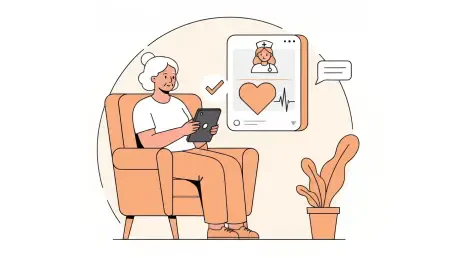
This patient-centric philosophy is operationalized through highly personalized and adaptive communication strategies, which are critical to the model’s success. Recognizing the diverse needs and capabilities of the COPD patient population, the interventions are carefully tailored to individual learning styles, emotional states, and levels of technological proficiency. The use of a varied suite of virtual tools—from one-on-one video consultations and interactive group webinars to user-friendly mobile applications—allows for a flexible and responsive approach to care delivery. This method fosters an environment of open dialogue and active engagement, which is essential for building the trust required for a strong therapeutic alliance. When patients feel their concerns are genuinely heard and valued, they are more likely to become fully invested partners in their healthcare, a crucial step toward achieving true and lasting empowerment in the face of a debilitating chronic illness.
Extending the Reach of Care and Promoting Equity
One of the most significant advantages of this empowered telenursing model is its capacity to dismantle long-standing geographical and physical barriers to specialized healthcare. For many individuals living with COPD, frequent travel to clinics and hospitals for routine check-ups is not only inconvenient but often physically taxing due to severe breathlessness and limited mobility. Telenursing effectively closes this accessibility gap, leveraging telecommunication technologies to deliver expert nursing care directly to patients in their homes. This virtual connection serves as a vital bridge, ensuring that individuals in remote, rural, or otherwise underserved communities have consistent access to the same high-quality monitoring, education, and support as their urban counterparts. By democratizing access to essential health resources, the model fundamentally reshapes the landscape of chronic disease management, making continuous, proactive care a reality for a much broader population.
This enhanced accessibility is intrinsically linked to the promotion of greater health equity, a core objective of modern healthcare reform. By overcoming the limitations of physical distance, the empowerment-based telenursing framework ensures that a patient’s location is no longer a primary determinant of the quality of care they receive. The success of this model strongly suggests that when technology is thoughtfully implemented with a primary focus on patient needs and empowerment, it can function as a powerful equalizer, helping to mitigate the deep-seated disparities in health outcomes that persist across different populations. The principles demonstrated to be effective for COPD management have broad applicability, signaling a promising future where similar technology-driven, patient-centered models could be adapted for a wide range of other chronic conditions, heralding a more equitable and accessible healthcare system for all.
A Synthesis of Outcomes and Practical Hurdles
The aggregated experiences of participants involved in this model provide compelling evidence of its effectiveness in fostering a tangible sense of empowerment. A predominant finding across studies is that patients consistently reported feeling a greater sense of control over their health and a heightened confidence in their ability to manage their disease. This newfound agency manifested in several practical ways, including an improved ability to accurately monitor and interpret their daily symptoms, make more timely and appropriate decisions regarding their care plan, and effectively adhere to complex treatment regimens. This heightened sense of personal responsibility and control is a well-established cornerstone of improved long-term health outcomes in chronic illness, validating the core premise that an empowered patient is a healthier patient. The positive psychological impact of feeling in command of one’s condition cannot be overstated, contributing significantly to improved mental well-being and resilience.
Despite the overwhelmingly positive outcomes, the research also shed light on a significant and persistent challenge: the digital divide. While a majority of participants successfully adapted to the digital platforms used for telenursing, a notable subset struggled with the necessary technological tools, citing issues ranging from a lack of digital literacy to unreliable internet access. This reality serves as a crucial check on the universal applicability of such models, highlighting that their success is contingent not only on the quality of the clinical interventions but also on adequately addressing the technological capabilities and needs of every user. This insight adds a vital layer of nuance, underscoring the necessity of integrating comprehensive technology training and robust technical support into any telenursing program. For empowerment to be truly universal, a dual focus on cultivating both health literacy and digital literacy is absolutely essential.
Charting a Course for System-Wide Adoption
The implications of this innovative model extended far beyond the benefits to individual patients, offering a viable blueprint for systemic healthcare reform. The demonstrated effectiveness of combining empowerment with telenursing presented a strong case for its wider adoption as a sustainable and cost-effective solution for managing the immense burden of chronic disease. In an environment characterized by rising healthcare costs, an aging population, and strained clinical resources, models that successfully shift the focus toward patient self-management and preventative care helped to alleviate pressure on traditional healthcare infrastructure. The findings strongly suggested that strategic investment in scaling these telenursing frameworks could lead to more efficient resource allocation, a significant reduction in costly hospital readmissions, and an overall improvement in health system performance and resilience. The research thus provided a data-driven rationale for administrators and policymakers to champion these forward-thinking care delivery systems.
Ultimately, the study concluded by championing the critical importance of interdisciplinary collaboration as the key to unlocking the full potential of this approach. The development, implementation, and refinement of such a comprehensive care model necessitated the integrated expertise of professionals from a wide array of fields, including clinical nursing, respiratory therapy, health psychology, information technology, and public health policy. It was through this synergistic pooling of knowledge and skills that a truly holistic, secure, and patient-centered solution could be crafted and maintained. This collaborative spirit not only enhanced the quality and efficacy of the care that was delivered but also enriched the professional experience for providers, fostering a more integrated and supportive healthcare ecosystem. In this way, the research provided a robust and compelling vision for the future of chronic care, one that was propelled by the powerful synergy of human-centered empowerment strategies and transformative technological innovation.