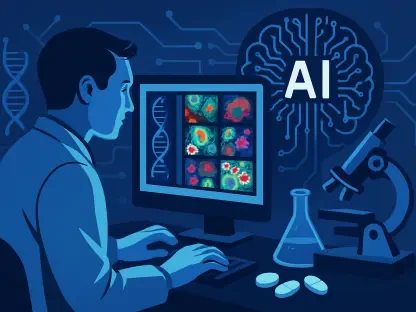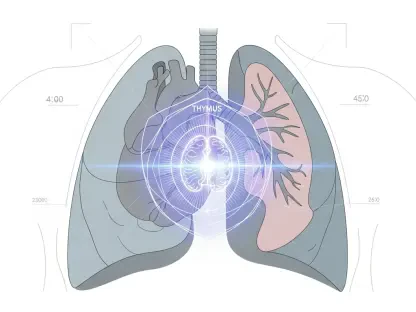

The current landscape of medical technology is undergoing a seismic shift as digital twins evolve from conceptual experimental models into indispensable assets for clinical decision-making and hospital administration. As of 2026, the global market for these virtual replicas has already surpassed initial expectations, setting a clear trajectory toward a valuation of nearly sixty billion dollars by the end of the decade. This rapid ascent is fueled by a synergy of high-fidelity clinical data, advanced machine learning algorithms, and the ubiquitous presence of Internet of Things sensors that provide real-time physiological feedback. Unlike traditional diagnostic tools, digital twins offer a dynamic, living simulation of biological systems, allowing physicians to visualize potential health outcomes before a single treatment is administered. This transition represents a fundamental departure from reactive medicine, establishing a new standard where data-driven foresight minimizes patient risk and maximizes the efficacy of complex therapeutic interventions across the globe.
Transforming Precision Medicine Through Virtual Patient Replicas
The integration of digital twins into personalized medicine is fundamentally changing how chronic diseases and complex genetic conditions are managed by allowing for highly specific simulations. By utilizing a patient’s unique genetic profile, lifestyle data, and longitudinal health records, researchers can now create a functional digital counterpart that responds to virtual stimuli exactly as the physical body would. This capability is particularly vital in oncology, where the Siemens Healthineers and Dassault Systèmes platforms enable oncologists to test various chemotherapy dosages on a digital model before the patient begins treatment. Such a proactive approach significantly reduces the trial-and-error period often associated with aggressive therapies, thereby mitigating toxic side effects and improving the overall quality of life for those undergoing care. As these models become more sophisticated, they are expected to incorporate real-time biochemical markers, making them an essential part of daily health maintenance.
Beyond individual treatment plans, digital twins are revolutionizing the pharmaceutical industry by accelerating the drug discovery process and streamlining clinical trial phases. Traditionally, bringing a new drug to market was a decade-long endeavor fraught with high failure rates and immense financial risk; however, the use of virtual patient cohorts is dramatically shortening these timelines. Pharmaceutical giants are increasingly utilizing AWS and Google Cloud infrastructure to run millions of simulations that predict how a drug compound interacts with human cellular structures. This not only identifies potential safety issues much earlier in the development cycle but also allows for the design of more effective trials with smaller, more targeted groups of human participants. By 2030, the reliance on physical animal testing and broad-scale human trials is expected to diminish as high-fidelity biological twins provide a more accurate and ethical alternative for verifying pharmaceutical efficacy and safety.
Optimizing Clinical Workflows and Institutional Management
The application of process twins within hospital environments has emerged as a cornerstone of operational efficiency, directly addressing the systemic challenges of resource scarcity and patient overcrowding. Large medical centers are implementing digital replicas of their entire facilities, including emergency departments, surgical suites, and intensive care units, to simulate patient flow and optimize staffing levels. By analyzing real-time data from internal systems, hospital administrators can predict peak arrival times and redistribute personnel or equipment before a bottleneck occurs. GE Healthcare and Philips have been instrumental in developing these management platforms, which allow for the “what-if” testing of new administrative protocols without disrupting live hospital operations. This digital oversight ensures that critical assets, such as ventilators or MRI machines, are maintained through predictive diagnostics, preventing unexpected equipment failures that could jeopardize patient safety during high-stress medical events.
Furthermore, the strategic use of digital twins in healthcare infrastructure facilitates a higher standard of training and emergency preparedness for medical professionals worldwide. Virtual environments allow surgical teams to rehearse complex procedures on a digital twin of a specific patient’s anatomy, identifying potential complications in a risk-free setting. This immersive training, often paired with augmented reality, ensures that surgeons enter the operating room with a comprehensive understanding of the unique physiological challenges they will face. Additionally, these models are used to simulate large-scale health crises or mass casualty events, enabling institutions to refine their response strategies and logistical coordination. As we move closer to 2030, these operational twins will likely become a mandatory component of hospital accreditation, ensuring that every facility operates at peak efficiency while maintaining a rigorous focus on reducing the incidence of avoidable medical errors.
Regional Expansion and the Rise of Emerging Markets
The geographical distribution of the digital twin market is shifting rapidly, with the Asia Pacific region projected to exhibit the most aggressive growth rate over the next four years. This surge is driven by a combination of massive public investment in digital infrastructure and an urgent need to address the healthcare requirements of a burgeoning geriatric population in nations like China and India. Local governments are increasingly partnering with global tech leaders like Microsoft and IBM to build smart healthcare ecosystems that prioritize remote monitoring and data-driven diagnostics. These initiatives are not only improving access to specialized care in rural areas but are also positioning the region as a primary hub for medical innovation. The rise in medical tourism across Southeast Asia further accelerates this trend, as clinics adopt digital twin technology to offer cutting-edge, personalized treatments that attract international patients seeking the highest standards of care and precision.
While the Asia Pacific region expands, the competitive landscape in North America and Europe remains focused on the refinement of systemic models and the establishment of robust regulatory frameworks. Leading entities are prioritizing mergers and acquisitions to consolidate expertise in biological modeling and cloud computing, aiming to create holistic twins that span from the molecular level to the entire human organism. This consolidation is necessary to handle the vast amounts of data generated by modern healthcare systems while ensuring data privacy and security remain paramount. The collaborative efforts between research academia and medical device manufacturers are also fostering the development of “organ-on-a-chip” technologies, which serve as physical-digital hybrids for testing medical implants. This global interplay of technological advancement and regional investment ensures that digital twins will remain the primary driver of economic and clinical progress within the global healthcare sector.
Strategic Implementation and Long-Term Stability
The successful integration of digital twins into the global healthcare framework required a comprehensive overhaul of data governance and interoperability standards across international borders. Policymakers and industry leaders recognized that the true potential of virtual replicas could only be achieved if data flowed seamlessly between disparate health systems and wearable devices. Consequently, the establishment of unified protocols for data encryption and sharing became a priority, ensuring that patient privacy was protected while allowing for the large-scale aggregation of clinical insights. These foundational changes allowed for the creation of more accurate and representative models, which in turn fostered a deeper trust in digital simulations among both clinicians and the general public. This period of rapid adaptation served as a catalyst for a more collaborative approach to global health, where shared digital assets helped combat emerging diseases and addressed systemic health inequities.
Looking ahead, the focus shifted toward the long-term sustainability of digital twin ecosystems through continuous updates and ethical oversight. Organizations that prioritized the ethical use of artificial intelligence and maintained transparent modeling practices found themselves at the forefront of the industry. It was essential for practitioners to view digital twins not as a replacement for clinical judgment, but as a sophisticated tool that enhanced the human element of care. Future considerations now involve the integration of these models into everyday wellness platforms, moving beyond the hospital walls and into the lives of individuals. By maintaining a focus on proactive health management and the refinement of predictive accuracy, the medical community ensured that the technological advancements of the late 2020s resulted in a more resilient and responsive healthcare system. The journey toward 2030 proved that the marriage of digital and biological sciences was the definitive path toward a healthier global society.