
The rapid integration of wireless technologies into the human cardiovascular system has introduced a set of unprecedented clinical challenges that force medical professionals to reconsider the traditional boundaries of patient safety and device efficacy. EBR Systems, a prominent medical technology firm based in Silicon Valley, recently found its primary product, the WiSE Cardiac Pacing System, at the center of a high-stakes safety investigation following reports of severe complications. These incidents involved two patients who experienced life-threatening events during routine post-implant imaging, casting a shadow over what had been heralded as a revolutionary solution for heart failure patients. As the medical community examines the safety profile of this next-generation device, the conversation has shifted from the excitement of technical innovation to a sober analysis of the risks inherent in wireless endocardial pacing. This scrutiny is essential for determining whether the observed complications are the result of fundamental design flaws or preventable errors in clinical execution, particularly as more complex devices move toward widespread commercial adoption.
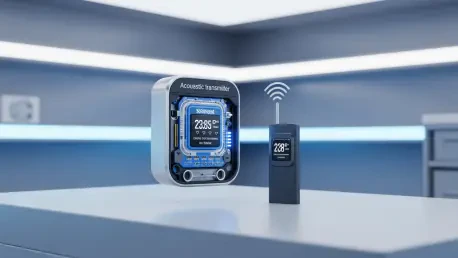
The WiSE technology represents a massive leap forward in Cardiac Resynchronization Therapy, a treatment used for patients whose heart chambers do not beat in synchronization. Historically, this therapy relied on thin wires called leads that were threaded through veins and into the heart, but these leads are notorious for mechanical failure, including breaking, moving out of place, or causing systemic infections that require risky extraction procedures. To solve these chronic issues, EBR Systems developed a wireless electrode roughly the size of a grain of rice, which is implanted directly into the left ventricle to allow for more natural and efficient stimulation of the heart muscle. By eliminating the need for a physical lead connected to the heart’s interior wall, the system aims to provide a more durable and less invasive solution for patients who have either failed traditional treatments or have no other viable options. This innovation relies on a sophisticated acoustic energy transfer system, where an external transmitter sends ultrasound signals to the internal receiver, which then converts those signals into electrical pulses to pace the heart.
Advanced Mechanics of Leadless Endocardial Pacing
The engineering behind the WiSE system is grounded in the principle of acoustic energy harvesting, a method that differentiates it from every other pacing technology currently available in the marketplace. While traditional leadless pacemakers are usually restricted to the right ventricle due to their size and the risk of blood clots, the WiSE receiver is small enough to be safely placed in the left ventricle, which is the heart’s primary pumping chamber. This placement is critical for achieving true resynchronization in patients with severe heart failure, as it allows the device to stimulate the heart from the inside out, mimicking the natural electrical pathway more closely than external leads ever could. The system is composed of three main parts: a battery-powered transmitter implanted between the ribs, a synchronized pulse generator that tracks the heart’s natural rhythm, and the tiny wireless electrode itself. This configuration ensures that the heart receives the necessary electrical stimulus at exactly the right moment to maximize cardiac output and improve the patient’s overall quality of life.
Maintaining the stability of this acoustic link requires a high degree of precision in both the initial implantation and the ongoing management of the device. The transmitter must be perfectly aligned with the internal receiver to ensure that the ultrasound energy is captured efficiently and converted into a consistent pacing pulse. Any interruption in this energy transfer, whether caused by physical movement or external interference, could theoretically lead to a loss of pacing therapy, which is why the system underwent rigorous testing before entering clinical trials. However, the reliance on ultrasound as the primary power source introduces a unique vulnerability that is not present in radiofrequency or electromagnetic-based devices. Because ultrasound is also the primary medium for cardiac diagnostic imaging, the potential for overlapping frequencies or energy densities has become a focal point for engineers and clinicians alike. Understanding how these two different applications of ultrasound energy interact is now the most pressing technical question facing the developers of wireless pacing systems.
Investigating Life-Threatening Interactions with Diagnostic Imaging
The safety concerns surrounding the WiSE system reached a critical point after two patients, who had successfully undergone the implantation procedure, suffered from sudden ventricular fibrillation during a standard post-operative echocardiogram. Ventricular fibrillation is a state where the heart’s lower chambers quiver uselessly instead of pumping blood, leading to an immediate drop in blood pressure and a complete loss of consciousness. In both reported cases, the patients were undergoing ultrasound imaging to assess the function of their hearts when the diagnostic energy apparently interfered with the wireless pacing receiver. This interference triggered a rapid and disorganized electrical response from the pacing electrode, which in turn threw the patients’ hearts into a lethal rhythm. The consequences of these events were tragically severe, as one of the two patients could not be revived despite immediate medical intervention and subsequently passed away, while the second patient required emergency resuscitation to survive.
The occurrence of such a dangerous arrhythmia in a controlled clinical setting represents a major red flag for regulatory bodies and the medical community at large. While echocardiography is generally considered one of the safest and most non-invasive diagnostic tools in cardiology, these incidents suggest that it can pose a significant risk to patients with specific types of wireless implants. The primary issue appears to be related to the high energy output of certain imaging modes, such as color Doppler, which may inadvertently supply enough acoustic energy to the wireless receiver to trigger unintended electrical pulses. This accidental stimulation, occurring at high frequencies, can disrupt the heart’s delicate electrical balance and induce the very conditions that the pacing system was designed to prevent. Analyzing these events requires a deep dive into the specific settings used during the imaging sessions and an evaluation of whether the device’s internal safety filters were sufficient to distinguish between the transmitter’s signals and external diagnostic waves.
Corporate Accountability and Procedural Compliance Strategies
In the wake of these adverse events, EBR Systems conducted an internal review and concluded that the hardware itself was not fundamentally flawed but was instead subjected to conditions outside of established operating parameters. The company has categorized the complications as a result of “procedural deviation,” asserting that the medical staff at the clinical site did not follow the specific imaging guidelines that were provided as part of the system’s documentation. According to the corporate perspective, the risk of ultrasound interference was a known factor that had been disclosed to clinicians, and the technology remains safe as long as doctors adhere strictly to the recommended safety protocols. By framing the incident as a failure of human adherence rather than a design defect, the company aims to protect its reputation and maintain its clinical momentum toward full commercial approval. This defense hinges on the idea that the medical community must adapt its diagnostic habits to accommodate the unique requirements of wireless technology.
To mitigate future risks and restore confidence among clinical investigators, the company has doubled down on its educational outreach and technical training programs. These initiatives focus on ensuring that every technician and cardiologist who interacts with a WiSE patient is fully aware of the limitations and safety requirements of the system. This includes specific instructions on the maximum energy levels that should be used during an echocardiogram and the necessity of monitoring the patient’s heart rhythm in real-time during any imaging procedure. While this approach places a significant burden on hospital staff, EBR Systems maintains that it is a necessary step in the evolution of cardiac care. The company’s ability to prove that these safety protocols are both practical and effective will be the determining factor in whether the WiSE system can move past these early setbacks and become a standard of care for heart failure patients worldwide.
Federal Regulatory Review and the Burden of Proof
Because the WiSE system is currently under clinical evaluation, the U.S. Food and Drug Administration is actively reviewing the risk assessment and safety data provided by EBR Systems. This is a critical and standard process that occurs whenever a death or serious injury is linked to a medical device that has not yet received full commercial clearance. The FDA’s primary objective is to determine if the company’s current labeling and safety instructions are sufficient to protect the public or if more drastic measures, such as a redesign of the hardware, are required. This federal review involves a meticulous examination of the clinical trial data, the engineering specifications of the acoustic receiver, and the detailed reports of the adverse events. If the regulatory agency determines that the risk of interference is inherent to the technology and cannot be managed through procedural changes alone, it could lead to significant delays in the device’s path to market.
The outcome of this regulatory scrutiny could take several different paths, each with its own set of implications for the future of leadless pacing. The FDA might mandate “Black Box” warnings, which are the most serious type of warning a medical device can carry, highlighting the specific danger of ultrasound interference. Alternatively, the agency could require additional clinical trials specifically designed to test the device’s interaction with various diagnostic imaging tools under a wide range of conditions. This layer of regulatory uncertainty adds a significant challenge for EBR Systems as it navigates the final stages of its approval process. Investors and clinical partners are watching closely to see if the agency will accept the “procedural deviation” explanation or if it will demand more fundamental changes to the way the device handles external acoustic energy. The decision will set a precedent for how all future wireless medical implants are evaluated in terms of their susceptibility to common hospital equipment.
Technical Barriers to Diagnostic and Therapeutic Coexistence
This specific safety incident highlights a complex and growing challenge in the field of wireless medical devices: the potential for external energy to interfere with sensitive internal electronics. As the medical industry moves toward smaller, more integrated devices, the boundaries between therapeutic and diagnostic energy become increasingly blurred. Echocardiography uses high-frequency sound waves to create detailed images of the heart, and these mechanical waves can interact with a wireless receiver in ways that are difficult to predict outside of a controlled laboratory setting. In the cases involving the WiSE system, it appears that the energy from the ultrasound probe was captured by the pacing electrode’s receiver with enough intensity to bypass its normal triggers. This suggests that the miniaturization of cardiac implants requires a corresponding advancement in energy filtration and signal processing to ensure that only the intended transmitter can activate the device.
Ensuring that a heart patient can safely undergo a standard ultrasound is a critical hurdle that any cardiac device must clear to gain widespread clinical trust. If a device is so sensitive that common diagnostic tools become a liability, its utility in a real-world hospital environment is severely diminished. This highlights the trade-offs of moving away from traditional lead-based systems; while wireless devices eliminate the mechanical failures of physical wires, they introduce sensitivities to environmental factors that were previously considered harmless. Engineers must now find a way to harden these devices against external interference without compromising their small size or their ability to be powered by acoustic energy. The success of this endeavor will depend on the development of more sophisticated communication protocols between the transmitter and the receiver, potentially using encrypted or frequency-hopped signals that are less likely to be mimicked by a standard diagnostic ultrasound machine.
Strategic Recommendations for Future Wireless Integration
The resolution of the safety challenges facing the WiSE system established a new framework for how medical institutions integrated wireless pacing technology into their daily operations. Clinical leaders recognized that the successful deployment of such sensitive hardware required a total overhaul of perioperative imaging protocols and a commitment to cross-departmental communication. Hospitals that adopted these technologies moved toward mandatory simulation training for their echocardiography technicians, ensuring that the specific risks of acoustic interference were understood by those on the front lines of patient care. Furthermore, the industry moved to standardize the “Safe Mode” settings on diagnostic ultrasound machines, allowing for a quick and reliable way to limit energy output when scanning patients with wireless implants. These proactive steps were essential in preventing further adverse events and demonstrated that the medical community could adapt to the nuances of next-generation cardiac care.
The long-term safety of wireless pacing systems was ultimately secured through a combination of enhanced clinician education and refined hardware design. Manufacturers responded to the initial setbacks by implementing more robust signal-discrimination algorithms that effectively isolated the pacing trigger from external acoustic noise. Medical teams were encouraged to maintain a high level of vigilance during post-operative follow-ups, prioritizing real-time heart rate monitoring whenever ultrasound energy was introduced. By treating the WiSE system’s safety updates as a blueprint for the entire leadless industry, clinicians and engineers worked together to bridge the gap between technical potential and patient safety. These lessons learned from the initial clinical trials provided a clear path forward, ensuring that the benefits of endocardial pacing could be realized without compromising the fundamental requirement of patient security. This collaborative approach solidified the role of wireless technology as a cornerstone of modern heart failure management.