
In the heart of Omaha, Nebraska, the University of Nebraska Medical Center (UNMC) is quietly transforming the landscape of cancer treatment through its pioneering work in precision oncology, proving that geographic location is no barrier to innovation. Far from the bustling medical hubs of the East and West Coasts, this institution has emerged as a powerhouse under the leadership of Professor Allison M. Cushman-Vokoun, the Medical Director of the Molecular Diagnostics and Personalized Medicine Laboratory. UNMC is harnessing advanced technologies and a patient-focused ethos to redefine how cancer is diagnosed and managed. By integrating cutting-edge tools like next-generation sequencing (NGS) and comprehensive genomic profiling (CGP), the center is tailoring treatments to the unique genetic makeup of each patient’s tumor. This commitment to personalized care, combined with strategic in-house testing and a dedication to educating future medical professionals, positions UNMC as a leader in the field, offering a model for others to emulate.
Pioneering Genomic Technologies
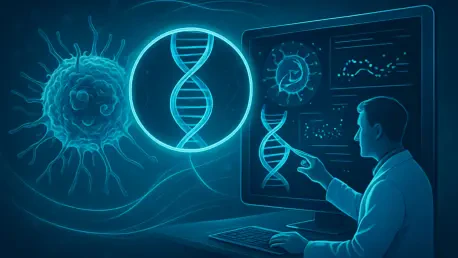
At the forefront of UNMC’s approach to precision oncology is the adoption of advanced genomic technologies that have evolved significantly over recent years. The journey began with basic single-gene assays and small panel testing, but the real leap came with the implementation of comprehensive genomic profiling (CGP) through next-generation sequencing (NGS) a couple of years ago. CGP enables the simultaneous analysis of hundreds of cancer-related genes, identifying critical biomarkers such as tumor mutational burden and microsatellite instability. This method stands in stark contrast to older, sequential testing approaches, delivering results much faster while conserving precious biopsy samples. Such efficiency is vital in cancer diagnostics, where every moment counts in crafting a treatment plan. By embracing CGP, UNMC ensures that patients receive insights into their condition with unprecedented speed and depth, setting a new standard for diagnostic precision in oncology care across the region.
The significance of CGP at UNMC extends beyond mere speed, as it fundamentally enhances the accuracy of cancer diagnosis and treatment selection. This technology uncovers hidden biomarkers, like those associated with homologous recombination deficiency (HRD), which might otherwise go undetected through traditional methods. For instance, CGP can differentiate between conditions with similar microscopic appearances, such as clear cell sarcoma and melanoma, by detecting specific gene fusions unique to each. These distinctions are crucial, as they directly influence therapeutic strategies and can dramatically alter a patient’s prognosis. Under the guidance of experts like Cushman-Vokoun, UNMC leverages these insights to tailor interventions that align precisely with the genetic profile of a patient’s tumor. This targeted approach not only boosts the likelihood of successful outcomes but also minimizes unnecessary treatments, highlighting the transformative power of genomic technology in modern oncology.
Strategic Benefits of In-House Testing
One of the cornerstones of UNMC’s success in precision oncology lies in the deliberate choice to conduct testing in-house rather than relying on external laboratories. This strategic decision offers multiple advantages, starting with the security and provenance of tissue samples, which remain under the institution’s control throughout the diagnostic process. Additionally, in-house testing significantly reduces turnaround times, often ensuring that results are available by the patient’s next appointment. This rapid feedback loop empowers oncologists to make timely treatment decisions, a critical factor in managing aggressive cancers. Beyond logistics, maintaining testing within the institution fosters a collaborative environment where pathologists and oncologists can engage directly, discussing findings in real-time. Such synergy enhances the quality of care, ensuring that every patient benefits from a cohesive and well-informed medical team.
Further deepening the value of in-house testing at UNMC is the trust and nuanced communication it builds among healthcare professionals. When pathologists like Cushman-Vokoun work side by side with oncologists, they can delve into complex or subtle results, such as low-level mutations that might hold significant clinical implications. This direct dialogue allows for a more comprehensive understanding of each case, enabling tailored recommendations that might be missed in an outsourced testing model. Moreover, keeping diagnostics internal preserves the integrity of limited biopsy materials, avoiding the risks associated with shipping samples to distant labs. The approach not only streamlines the diagnostic process but also reinforces a patient-centered ethos, where every decision prioritizes the individual’s needs. By investing in internal capabilities, UNMC sets itself apart as a hub of efficiency and expertise, delivering precision oncology with a personal touch that benefits patients at every stage of their journey.
Shaping Future Oncology Leaders
UNMC’s commitment to precision oncology extends beyond immediate patient care to the critical realm of education, ensuring the field’s future through robust training programs. By maintaining an in-house molecular diagnostics program, the institution provides hands-on learning opportunities for residents, fellows, and medical students in areas like CGP and NGS. Specialized fellowships in molecular genetic pathology and laboratory genetics and genomics equip trainees with the skills needed to navigate the complexities of modern cancer diagnostics. This immersive environment allows aspiring pathologists and oncologists to engage directly with cutting-edge technologies, preparing them to lead advancements in personalized medicine. Cushman-Vokoun has emphasized the risk of losing such educational depth if testing is outsourced, underscoring the importance of academic centers like UNMC in sustaining expertise. This focus on mentorship ensures that the next generation is ready to tackle the evolving challenges of oncology with confidence and innovation.
The educational mission at UNMC also serves as a safeguard for the long-term growth of precision oncology as a discipline. Training programs are designed not just to impart technical knowledge but to instill a mindset of inquiry and adaptability among future professionals. Students and fellows gain exposure to real-world scenarios, learning how to interpret genomic data and collaborate across specialties to optimize patient outcomes. This practical experience is invaluable, as it bridges the gap between theoretical understanding and clinical application, fostering a workforce capable of pushing boundaries in cancer care. Furthermore, by cultivating talent internally, UNMC contributes to a broader network of skilled practitioners who can carry forward the principles of personalized medicine to other institutions. This ripple effect amplifies the impact of UNMC’s efforts, ensuring that the benefits of precision oncology reach far beyond Omaha through a well-prepared cadre of medical experts.
Expanding Horizons in Cancer Care
Looking ahead, UNMC is not content to rest on its current achievements but is actively planning to expand its testing capabilities to meet the growing demands of cancer care. Supported by Nebraska Medicine, a National Cancer Institute-designated cancer center, the institution aims to increase sample throughput and incorporate routine testing for biomarkers like HRD. Plans are also in place to develop advanced assays for brain tumor methylation, circulating tumor DNA, and specialized lymphoma panels. These initiatives reflect a proactive response to the rising incidence of cancer, including among younger populations, and the pressing need for personalized treatment options. By broadening the scope of its diagnostic tools, UNMC seeks to address a wider array of cancer types and complexities, ensuring that more patients can access therapies tailored to their specific genetic profiles. This ambitious vision underscores a deep commitment to staying at the forefront of oncology innovation.
Equally important in UNMC’s expansion strategy is the focus on accessibility and scalability to serve a diverse patient base. As cancer continues to affect increasing numbers of individuals, the institution is working to streamline processes that allow for higher testing volumes without compromising accuracy or speed. This includes investing in infrastructure and technology to handle complex assays that can detect emerging biomarkers critical for cutting-edge treatments. The emphasis on circulating tumor DNA, for example, points to a future where non-invasive testing could become a routine part of cancer management, offering insights without the need for repeated biopsies. By prioritizing such advancements, UNMC not only enhances its capacity to deliver personalized care but also positions itself as a leader in adapting to the evolving landscape of oncology. This forward-thinking approach ensures that patients today and tomorrow benefit from the latest scientific breakthroughs in a rapidly changing field.
Driving the Precision Medicine Movement
UNMC’s efforts are emblematic of a larger shift in healthcare toward precision medicine, where treatments are customized based on the genetic characteristics of a patient’s tumor. The early adoption of technologies like NGS and CGP aligns with a growing consensus that comprehensive testing methods surpass traditional approaches in both efficiency and depth of insight. This paradigm shift allows for clinical decisions that are informed by detailed genomic data, enabling therapies that target the root causes of cancer rather than relying on one-size-fits-all solutions. UNMC’s integration of such data into everyday practice exemplifies how precision medicine can transform patient outcomes, offering a level of specificity that was once unimaginable. By championing these advancements, the institution contributes to a broader movement that is reshaping oncology on a global scale, proving that tailored care is the future of effective cancer treatment.
Moreover, UNMC’s model of combining in-house testing with interdisciplinary collaboration sets a benchmark for other medical centers striving to advance in precision oncology. The seamless interaction between pathologists and oncologists, facilitated by internal diagnostics, ensures that every piece of genomic information is leveraged to its fullest potential in crafting treatment plans. This collaborative spirit, paired with a commitment to education and technological expansion, creates a holistic approach that addresses both immediate patient needs and long-term field development. As a result, UNMC not only improves care within its own walls but also inspires systemic change by demonstrating the tangible benefits of investing in advanced diagnostics. The institution’s alignment with the principles of precision medicine—efficiency, personalization, and innovation—offers a compelling blueprint for how healthcare systems can evolve to meet the challenges of cancer in an era of rapid scientific progress.
Reflecting on a Legacy of Innovation
Reflecting on the strides made, UNMC has carved a remarkable path in precision oncology by integrating technologies like comprehensive genomic profiling into routine care, ensuring diagnoses and treatments are as precise as possible. The decision to keep testing in-house streamlined processes, safeguarded patient samples, and nurtured vital trust among medical teams, setting a high standard for efficiency. Educational initiatives played a pivotal role, equipping countless trainees with the expertise needed to advance the field. As cancer rates climb, UNMC’s model of blending cutting-edge diagnostics with a patient-first approach provides a roadmap for institutions worldwide. Looking back, the ambitious expansions in testing capabilities laid a foundation for tackling future challenges. Moving forward, the focus should be on scaling these innovations, ensuring broader access to personalized care, and continuing to pioneer assays that address emerging cancer complexities. UNMC’s journey offers a clear lesson: sustained investment in technology and education can redefine oncology for generations to come.