
The healthcare landscape across Southeast Asia is currently undergoing a radical transformation that prioritizes the unique biological identity of every patient over generalized treatment protocols. This shift is most visible in the emergence of dedicated precision medicine hubs, such as those established at Bangkok Hospital, which have begun to redefine how complex diseases are managed in the region. By moving away from a traditional “one-size-fits-all” methodology, these institutions are utilizing advanced genomic insights to address the biological roots of illness rather than merely suppressing symptoms. This evolution represents a monumental leap in medical capability, where the integration of breakthrough innovations like gene therapy and molecular diagnostics allows for highly personalized care plans. As these technologies become more accessible throughout 2026 and into the next decade, the standard of care is being elevated to match global benchmarks. This proactive approach ensures that the fundamental genetic drivers of disease are identified early, providing a pathway to recovery that was once impossible.
The Strategic Shift Toward Disease-Modifying Care
The most significant trend within the regional medical sector is the deliberate move toward interventions that target the underlying cause of a condition rather than its outward manifestations. Historically, patients suffering from debilitating genetic disorders or progressive neurodegenerative decline were often relegated to a “wait and see” model of care, which focused primarily on palliative management. This traditional strategy could only offer supportive measures that slowed the inevitable progression of an illness without ever addressing why the disease was occurring in the first place. In contrast, the current paradigm leverages vast amounts of biological and genetic data to intervene long before irreversible damage to the central nervous system or muscular structure takes place. This shift is fueled by a global trend where high-precision drugs are engineered to repair faulty genetic sequences or clear toxic proteins at a molecular level. By altering the actual course of a disease, clinicians are now able to offer a level of functional independence that significantly enhances the long-term prognosis for their patients.
Central to the success of this new era in specialized medicine is a renewed emphasis on multidisciplinary care models that break down the silos of traditional hospital departments. Precision medicine is not the solitary work of one physician but is instead a highly coordinated effort involving geneticists, neurologists, pediatricians, and specialized nursing staff. By combining these diverse areas of expertise, medical institutions are able to create a holistic environment where every specific aspect of a patient’s unique biology is carefully considered during the diagnostic phase. This team-based approach ensures that complex and high-stakes therapies, such as viral vector infusions or monoclonal antibody treatments, are administered with the highest degree of safety and precision. Furthermore, the patient’s progress is continuously monitored through every stage of the treatment journey using data-driven metrics that allow for real-time adjustments. This level of collaborative oversight is essential for managing the intricate variables associated with genomic medicine, ensuring that the benefits of therapy are maximized while potential risks are mitigated.
Breakthroughs in Pediatric Genetics and Gene Therapy
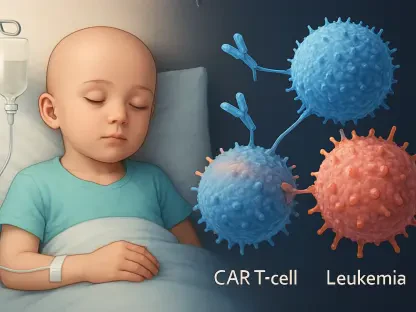
In the specialized field of pediatrics, precision medicine is providing a critical lifeline for children diagnosed with Spinal Muscular Atrophy, a condition characterized by progressive muscle wasting. Previously, a deficiency in the SMN1 gene meant that an infant might never achieve the ability to walk, swallow, or breathe independently, leading to a drastically reduced life expectancy. Modern gene therapy has changed this narrative by utilizing modified viral vectors to deliver a functional copy of the missing gene directly into the patient’s motor neurons. This one-time intravenous infusion has revolutionized survival rates and motor development, turning what was once a terminal diagnosis into a manageable medical condition. The ability to restore the production of essential proteins at the cellular level allows children to meet developmental milestones that were previously considered unattainable. This breakthrough is a testament to the power of genomic engineering in providing targeted solutions for rare diseases that have historically lacked effective treatment options.
The ultimate success of these advanced genetic interventions depends heavily on a narrow “window of opportunity,” making comprehensive early screening an essential component of modern healthcare infrastructure. Hospitals in the region are now implementing robust protocols, including genetic carrier screening for prospective parents and rapid newborn testing within the first few days of life. By identifying genetic mutations before physical symptoms even manifest, clinicians can intervene at the optimal moment, which is often before the age of two years. This proactive stance is supported by sophisticated diagnostic tools that allow for the precise mapping of a child’s genetic profile. As screening becomes a standardized part of prenatal and neonatal care, the medical community is effectively reducing the long-term burden of genetic diseases on families and the healthcare system. The integration of these screening protocols ensures that the benefits of precision medicine are applied when they can have the most profound impact on a patient’s life, preserving physical function and ensuring a healthier future for the next generation.
Combatting Neurodegeneration Through Anti-Amyloid Therapy
Precision medicine is also redefining how the medical community approaches the aging process, particularly regarding the management of Alzheimer’s disease. New anti-amyloid therapies are now targeting the “preclinical” stage of the disease, a phase that often begins a full decade before memory loss or cognitive impairment becomes visible to the patient or their family. By using specialized monoclonal antibodies to identify and clear toxic beta-amyloid plaques from the brain, these treatments significantly reduce the “toxic load” on neurons. This precision-driven method slows the rate of cognitive decline, allowing seniors to maintain their memory, personality, and independence for much longer than was ever possible with traditional medications. Instead of just managing the behavioral symptoms of dementia, these therapies aim to preserve the structural integrity of the brain itself. This represents a fundamental shift in geriatric care, where the focus has moved toward maintaining a high quality of life through the active preservation of neurological health.
To support these advanced therapies, diagnostic tools have become incredibly sophisticated and are now used to create a detailed map of a patient’s neural health. Clinicians utilize positron emission tomography scans, lumbar punctures, and emerging blood biomarkers to visualize protein deposits and monitor brain health with extreme accuracy. This data-driven framework allows for a highly personalized treatment plan, where the dosage and timing of therapy are tailored to the specific rate of a patient’s neural changes. This level of detail ensures that the treatment is as effective as possible while minimizing potential side effects like brain swelling or microhemorrhages. By monitoring the biological response to treatment in real-time, doctors can adjust protocols to suit the individual needs of the patient, ensuring that the intervention remains safe and productive. This precision ensures that the healthcare system is not just treating a diagnosis but is actively responding to the unique physiological changes occurring within each specific person’s brain as they age.
Establishing a Regional Hub for Medical Excellence
The integration of pediatric genetics and geriatric neurology under a single precision medicine framework signals a unified commitment to enhancing the quality of life across all age groups. By investing in these high-precision technologies, Southeast Asian medical centers are becoming central nodes in the global healthcare network, drawing attention from the international community. This attracts patients from across the world who are seeking cutting-edge treatments that are not yet widely available in their home countries, positioning the region as a leader in medical innovation and proactive healthcare. The economic and social impact of this development is substantial, as it fosters a culture of research and development that benefits local populations while elevating the regional reputation for excellence. As these hubs continue to grow, they provide a blueprint for how modern medical institutions can leverage technology to provide compassionate, data-centered care that addresses some of the most challenging conditions known to modern science.
The establishment of the Precision Medicine Hub at Bangkok Hospital represented a major milestone in regional healthcare by successfully merging advanced diagnostics with breakthrough therapeutics. The findings from early implementations suggested that while these treatments required highly specialized infrastructure, their potential to reduce long-term disability was profound. Medical professionals recommended that the next phase of development focused on expanding genomic literacy among general practitioners to ensure earlier referrals. It was observed that the success of these programs relied heavily on the continued integration of multidisciplinary expertise and the accessibility of early screening protocols. Future considerations included the development of more affordable diagnostic biomarkers to broaden the reach of these life-changing therapies to a wider demographic. By focusing on the molecular foundations of health, the medical community moved beyond traditional symptomatic treatment, ensuring that the benefits of precision medicine were distributed equitably to those who needed them most.