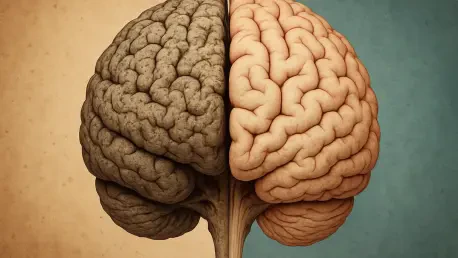

The longstanding myth that the human brain inevitably deteriorates at a fixed rate after middle age is finally being dismantled by a new wave of multidimensional research. For decades, the prevailing scientific narrative suggested a linear and universal decline in cognitive function as individuals aged. However, recent insights from the global neuroscience community indicate that this “one-size-fits-all” model is fundamentally flawed. Instead of a predictable downward slope, cognitive aging is now understood as a highly individualized journey influenced by a staggering array of variables that extend far beyond simple chronological milestones.
Modern medicine and social policy are beginning to reflect this shift by prioritizing biological and social complexity over birth dates. Experts argue that treating every sixty-five-year-old as having the same “brain age” is as outdated as using a sundial in the era of atomic clocks. By recognizing that some individuals maintain high levels of cognitive sharpness well into their nineties while others experience early shifts, society can better allocate resources, design smarter healthcare interventions, and foster environments that support lifelong mental agility. This transition marks a departure from fatalism toward a proactive framework of cognitive maintenance.
The dismantling of these long-held myths is largely driven by three powerful catalysts: advanced machine learning, the inclusion of diverse demographic data, and a move toward real-world, naturalistic testing. These tools have revealed that the aging brain is not merely a fading version of its younger self but a reorganizing system capable of significant adaptation. As researchers move away from isolated laboratory settings, they are discovering that the brain possesses hidden reserves and alternative pathways that can be activated through specific lifestyle choices and environmental conditions, offering a more optimistic perspective on the later stages of life.
The Shift Toward Personalized Cognitive Landscapes
Beyond the Biomarker: The Rise of Multi-Dimensional Brain Health
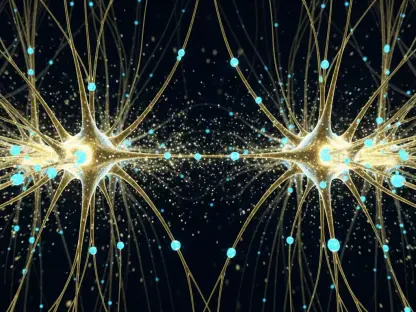
The hunt for a single “silver bullet” protein or biomarker to explain cognitive decline is rapidly giving way to a more sophisticated analysis of the intersection between genetics, lifestyle, and the environment. While early research focused heavily on specific biological markers like amyloid plaques, contemporary studies emphasize that these indicators do not exist in a vacuum. Machine learning algorithms are now being utilized to process massive datasets, allowing scientists to map “neural fingerprints” that are unique to each person. This technology reveals how two people with similar brain structures might exhibit vastly different levels of cognitive performance based on their distinct life histories.
Current research trends demonstrate that functional Magnetic Resonance Imaging (fMRI) is no longer just a tool for identifying damage but a means of observing the brain’s dynamic connectivity patterns. By analyzing these patterns through the lens of artificial intelligence, researchers can predict cognitive trajectories with unprecedented accuracy. This shift has sparked a vibrant debate within the scientific community regarding whether aging should be viewed as a biological inevitability or a byproduct of social and environmental factors. Many now lean toward a hybrid model, suggesting that while biological changes occur, their impact is heavily moderated by the quality of one’s external world and daily habits.
The Hidden Influence of Mental Well-being on Executive Function
A critical and often overlooked component of cognitive health is the profound link between sub-clinical emotional states and executive function. Evidence suggests that even mild, untreated depression can act as a silent driver of memory impairment in older adults. This connection is not merely psychological; it is reflected in the physical efficiency of the brain. When emotional health is compromised, the brain’s ability to “filter interference” significantly diminishes. This means that an older adult might struggle to remember a name not because the memory is gone, but because the brain is failing to suppress distracting or irrelevant information during the retrieval process.
Ignoring mental health in geriatric care creates a significant risk for misdiagnosis and missed opportunities for intervention. Recent case studies highlight that treating mood disorders can serve as a potent cognitive intervention, sometimes yielding better results for memory retention than traditional cognitive exercises alone. By focusing on emotional regulation and stress reduction, clinicians can help older adults clear the “neural noise” that hampers their daily performance. This realization has shifted the focus of cognitive therapy toward a more holistic approach that treats the mind and the emotions as an inseparable system.
Breaking the Laboratory Bubble with Naturalistic Testing
Traditional methods of measuring cognitive health, such as asking subjects to memorize lists of random words in a stark laboratory setting, are increasingly criticized for their lack of ecological validity. These tests often fail to capture how the brain operates in the complex, noisy, and meaningful environment of everyday life. In contrast, researchers are now using “naturalistic” stimuli—such as cinema, storytelling, and immersive simulations—to assess cognitive function. When tested in these contexts, older brains frequently perform at levels nearly identical to those of younger participants, particularly when the tasks involve leveraging existing life expertise or narrative comprehension.
This move toward naturalistic testing has uncovered the power of “unintentional memory,” a process where information is absorbed naturally through experience rather than through forced rote memorization. For many older adults, the ability to synthesize information and see the “big picture” serves as a competitive advantage that traditional science has historically overlooked. By focusing on how people actually use their minds to navigate social interactions or solve complex problems, researchers are finding that the aging brain is far more capable and resilient than the “deficit-based” models of the past led many to believe.
Strengthening the Neural Buffer Through Malleable Life Factors
The integrity of the brain’s white matter, which acts as the communication highway between different regions, is heavily influenced by factors within an individual’s control. Comparisons between various lifestyle elements show that vascular health, consistent sleep hygiene, and even social religiosity or community involvement play significant roles in maintaining this neural infrastructure. These “malleable factors” provide a buffer against the typical structural changes associated with getting older. For instance, maintaining strong cardiovascular health ensures that the brain receives a steady supply of oxygen and nutrients, which is essential for preserving the connections that facilitate rapid thinking.
The future of geriatric medicine is moving toward the development of “clinical decision trees” that provide personalized prescriptions for brain health. Instead of a standard medication, a physician might recommend a specific physical activity regimen or a “retrieval practice” schedule tailored to an individual’s neural profile. These active engagement strategies, where individuals deliberately practice recalling information in different contexts, are emerging as powerful tools for building lifelong cognitive resilience. This approach empowers individuals to take an active role in their cognitive destiny, transforming brain health from a matter of chance into a matter of informed choice.
Strategies for Optimizing the Lifelong Mind
The transition in neuroscience toward emphasizing malleable factors reinforces the idea that cognitive health is responsive to change rather than being a fixed outcome. To optimize the mind across the lifespan, individuals should focus on creating a lifestyle that supports neural plasticity. One of the most effective methods for enhancing memory is the consistent use of retrieval practice. Rather than simply rereading information, the brain benefits from the effort of pulling information from memory, which strengthens the underlying neural pathways. This technique can be applied to everything from learning a new language to remembering the details of a community meeting.
Maintaining strong social connections is another vital strategy for cognitive longevity. Engaging in meaningful conversations and collaborative projects provides the kind of complex mental stimulation that laboratory puzzles cannot replicate. Furthermore, individuals can apply the “naturalistic” approach to their own personal development by connecting new information to their existing wealth of expertise. By framing new challenges through the lens of what they already know, older adults can leverage their superior pattern recognition skills to master new skills more efficiently. This strategy turns life experience into a cognitive superpower that facilitates continuous growth.
Reimagining the Future of Human Cognitive Potential
The collective findings of modern neuroscience painted a picture of the aging brain defined by adaptation and potential rather than unavoidable decay. Research shifted focus from the narrow study of pathology to a broader understanding of how diverse life experiences shaped the neural landscape. By moving beyond chronological age, the scientific community began to appreciate the immense variability that existed within the older population. This perspective encouraged a move away from the fear of decline, focusing instead on how the brain continued to reorganize and optimize itself in response to new challenges and environments.
Inclusive research practices played a pivotal role in ensuring that these breakthroughs reached every segment of society. Data gathered from various socioeconomic and ethnic groups revealed that cognitive resilience was not a luxury for the few but a possibility for the many, provided the right social and biological supports were in place. The integration of diverse demographics into clinical trials ensured that the next generation of brain health interventions would be effective for everyone, regardless of their background. This commitment to equity helped redefine the standards of care and expanded the reach of life-extending cognitive strategies.
Ultimately, the journey of the aging brain was recognized as a highly personalized process of constant evolution. Scientists concluded that the mind did not simply “wear out”; rather, it navigated a series of sophisticated transitions that allowed for new types of wisdom and problem-solving to emerge. By embracing a holistic view of health that included mental well-being, physical vitality, and social engagement, the conversation around aging moved toward the optimization of experience. This paradigm shift invited individuals to view their later years as an opportunity for continued mental expansion and discovery, firmly rooted in the evidence of the brain’s enduring plasticity.