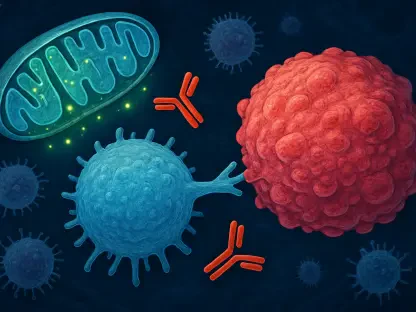

In the microscopic battlegrounds where bacteria and viruses have waged war for billions of years, a silent revolution is currently unfolding through the lens of advanced artificial intelligence. For decades, the scientific community operated under the assumption that bacterial immunity was largely defined by a few well-understood mechanisms, such as the famous CRISPR-Cas system which has already transformed modern genetics. However, recent breakthroughs in machine learning have shattered this narrow view, revealing that the microbial world possesses an incredibly vast and complex arsenal of defensive strategies that were previously invisible to traditional research methods. By utilizing computational models to sift through mountain-sized datasets of genetic information, researchers are now identifying thousands of novel immune systems that could redefine our understanding of biological survival. This shift represents a move toward a more predictive and comprehensive era of microbiology, where the focus transitions from accidental discovery to systematic mapping.
Computational Models: Mapping the Genetic Landscape
DefensePredictor: Analyzing Genomic Neighborhoods
The introduction of the machine learning framework known as DefensePredictor has marked a significant turning point in how scientists identify specialized immune functions within bacterial DNA. This sophisticated model functions by evaluating the specific genetic sequence of a protein while simultaneously examining the characteristics of its genomic neighbors to calculate the probability of it being part of a defense system. When this technology was applied to 69 distinct strains of Escherichia coli, it successfully pinpointed hundreds of candidate systems that had remained hidden from human observation. Out of these identified candidates, 42 specific cases were subjected to rigorous experimental validation, confirming their functional roles in protecting the bacteria against viral invaders. This high rate of accuracy demonstrates that AI can effectively distinguish defensive proteins from the background noise of the genome, providing a highly reliable tool for future discoveries.
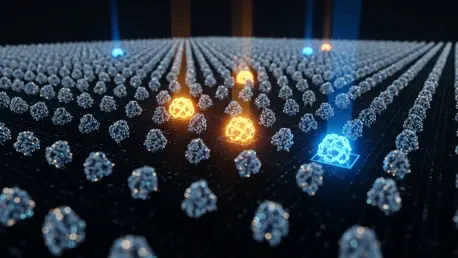
By scaling this analysis to encompass 1,000 diverse bacterial genomes, the research teams have successfully uncovered nearly 3,000 unique protein clusters that represent entirely new categories of immunity. The sheer volume of these findings suggests that the biological diversity of the microbial world is far greater than anyone had previously anticipated. To ensure that these findings lead to immediate practical applications, the tool has been released as an open-source resource, allowing laboratories around the globe to accelerate their own research into microbial survival. This collaborative approach is essential because the complexity of these protein clusters requires a wide range of expertise to fully characterize and implement in biotechnological contexts. As the database of these systems grows from 2026 to 2028, the scientific community will be better equipped to understand how these defenses evolved and how they might be harnessed for therapeutic purposes.
Large-Scale Proteomics: Decoding the Dark Matter
Building upon these localized genomic insights, another major study led by Ernest Mordret has expanded the search for bacterial immunity to an unprecedented scale by analyzing over 120 million proteins. This massive effort utilized machine learning models to identify hundreds of thousands of potential antiphage families, effectively shining a light on what many scientists refer to as the genomic dark matter of the microbial world. The consensus reached between these independent studies confirms that bacterial defense systems are not isolated anomalies but are part of a widespread and highly diverse biological infrastructure. This large-scale mapping process allows researchers to see patterns in how bacteria adapt to specific viral threats across different environments. The data gathered from this extensive protein analysis provides a comprehensive library of biological components that could potentially serve as the foundation for the next generation of molecular tools.
The implications of discovering such a vast reservoir of biological mechanisms extend far beyond simple academic curiosity, as they offer a roadmap for innovative medical and industrial solutions. By synthesizing information across millions of proteins, these researchers have created a unified map of microbial survival strategies that underscores the shift toward data-driven discovery in modern biology. This approach allows for the prediction of functional biological systems with high precision, significantly reducing the time required to move from theoretical identification to practical application. The evolutionary battle between bacteria and phages has effectively produced a high-tech biological toolkit that humans are only now beginning to understand. As these machine learning models continue to refine their predictions through the rest of the decade, the ability to engineer custom biological responses will likely become a cornerstone of biotechnology, mirroring the impact that CRISPR had on gene editing in previous years.
Future Implications: From Discovery to Application
Biotechnological Innovation: The Next Generation of Tools
The identification of thousands of new bacterial defenses serves as a catalyst for a new era of biotechnological development, offering a wealth of candidates for genetic engineering. Much like the way CRISPR-Cas9 was adapted from a bacterial immune response into a revolutionary gene-editing tool, these newly discovered systems could provide the basis for more precise and versatile technologies. For instance, some of these systems might offer better ways to target specific DNA sequences or provide novel methods for silencing harmful genes in human cells. The diversity found in these protein clusters means that scientists are no longer limited to a handful of options but can instead select the most efficient biological “machine” for a specific task. This level of specialization is expected to drive significant progress in the fields of synthetic biology and molecular medicine, where precision and efficiency are the primary goals for developing effective treatments.
Moreover, the integration of AI into the discovery pipeline has created a repeatable framework for exploring other unknown areas of biology. This methodology can be applied to find new antibiotics, enzymes for industrial processes, or even biological methods for environmental remediation. The ability of machine learning to recognize complex patterns in genomic data means that researchers can now explore biological questions that were once considered too complex for traditional analysis. This technological synergy between computer science and microbiology is creating a virtuous cycle where better data leads to better models, which in turn lead to more groundbreaking discoveries. As the industry moves forward, the focus will increasingly shift toward how these individual systems interact within larger ecological frameworks. Understanding these interactions will be key to developing therapies that can target specific pathogens without disrupting beneficial microbial communities, a challenge that remains a top priority.
Strategic Implementation: Moving Toward Clinical Solutions
The transition from identifying a protein cluster to developing a functional medical application required a coordinated effort between computational biologists and clinical researchers. In recent developments, the focus shifted toward validating how these antiphage systems could be repurposed to combat antibiotic-resistant bacteria, which remains one of the most pressing challenges in modern medicine. By studying how these systems naturally neutralize viruses, scientists successfully developed new strategies for enhancing phage therapy, providing a potent alternative to traditional chemical treatments. The data confirmed that these biological tools could be synthesized and modified to target specific human pathogens with high accuracy. This progress illustrated the power of using machine learning not just for discovery, but for the strategic design of therapeutic agents that mimic the efficiency of natural microbial defenses.
To fully capitalize on these discoveries, it was necessary for the research community to establish standardized protocols for testing and implementing these novel biological components in a controlled environment. The open-source nature of the initial AI models facilitated a rapid exchange of information, ensuring that various labs could contribute to the characterization of different protein families simultaneously. Moving forward, the scientific community should focus on creating a centralized repository of validated defense mechanisms to streamline the development of new biotechnologies. This collaborative infrastructure will be essential for managing the sheer volume of data produced by ongoing AI analyses and for translating these insights into actionable solutions. By maintaining a commitment to transparency and data sharing, the industry can ensure that the benefits of these microbial discoveries are realized across multiple sectors, ultimately leading to a more resilient and innovative biological landscape.