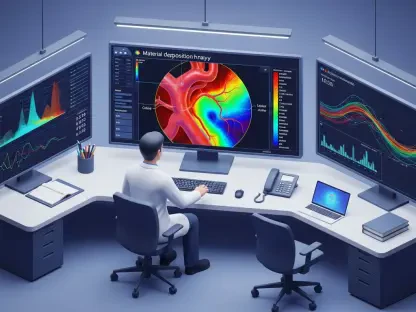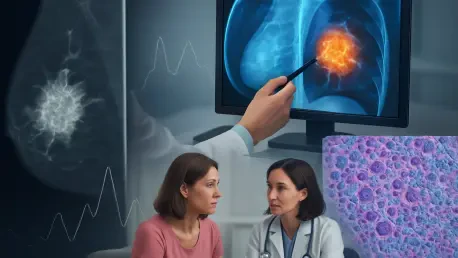

Modern oncology has reached a pivotal juncture where the “one-size-fits-all” approach to breast cancer management is rapidly being replaced by highly individualized therapeutic strategies. While traditional methods have long relied on generalized statistics, current clinical research now emphasizes the integration of advanced imaging analytics to tailor every stage of the patient journey. From the initial moment a suspicious lesion is identified to the complex decisions regarding surgical margins, the precision of medical imaging serves as the backbone of modern care. This evolution is not merely about better pictures; it is about extracting actionable data that can predict biological responses and minimize physical trauma. As clinicians navigate the complexities of diverse cancer subtypes, the ability to visualize the microscopic environment through macroscopic imaging tools has become the gold standard for improving survival rates and quality of life. The following analysis explores how recent breakthroughs in diagnostic protocols and predictive modeling are reshaping the standard of care for patients worldwide.
Refined Diagnostic Protocols and Safety Measures
Minimizing Biopsy Complications: The Epinephrine Standard
Focusing on the mechanics of image-guided core-needle breast biopsies reveals that procedural safety often hinges on the specific composition of local anesthetics. Recent research conducted by imaging scientists leveraged a period of national medication shortages to observe the clinical impact of epinephrine-containing lidocaine versus standard lidocaine. The findings confirmed that the inclusion of epinephrine significantly reduces the occurrence of symptomatic hematomas, such as heavy bleeding and painful bruising, following the biopsy procedure. This natural experiment provided a unique opportunity to validate the clinical necessity of epinephrine in maintaining patient comfort and preventing post-procedural setbacks. By systematically reviewing patient outcomes during and after the supply shortage, radiologists demonstrated that the absence of this vasoconstrictor led to a measurable increase in localized complications, reinforcing its status as a critical component in the standard of care for diagnostic imaging interventions.
Beyond immediate physical safety, the consistent use of optimal anesthetic protocols facilitates a more controlled environment for the radiologist to perform precise needle placements. When a patient experiences less bleeding and discomfort during a core-needle biopsy, the diagnostic quality of the tissue samples tends to remain higher, as the procedural area is not obscured by excessive internal trauma. This attention to detail in the earliest stages of the diagnostic pathway sets the tone for the entire treatment trajectory. Ensuring that the initial biopsy is as non-disruptive as possible allows the medical team to move forward without the delays often caused by severe bruising or hematoma resolution. Consequently, the integration of these refined safety protocols ensures that the patient’s journey toward a definitive diagnosis is both safer and more efficient. This focus on procedural refinement serves as a foundational step in the broader effort to personalize breast cancer care by minimizing the physical burden of the diagnostic process itself.
Predictive Analytics: Functional Tumor Volume in Chemotherapy
Transitioning from diagnosis to treatment monitoring, the implementation of MRI-based predictive modeling has emerged as a transformative tool for assessing chemotherapy efficacy. By utilizing longitudinal data from the I-SPY 2 trial, researchers developed a functional tumor volume (FTV) model that tracks the specific shrinkage of a tumor throughout neoadjuvant treatment. Unlike traditional imaging that provides a static snapshot, the FTV model offers a dynamic view of how a patient’s unique tumor biology responds to specific pharmaceutical agents over time. This approach allows clinicians to identify “excellent responders” who demonstrate a significant and rapid reduction in tumor size. Identifying these individuals early in the treatment cycle provides the opportunity to adjust long-term strategies, potentially reducing the duration of toxic drug exposure. This shift toward data-driven monitoring represents a major leap in personalizing oncological care, ensuring that the intensity of the treatment is proportionate to the patient’s specific biological response.
The ability to accurately forecast a pathological complete response through advanced imaging analytics significantly streamlines the transition from chemotherapy to surgical intervention. When the FTV model indicates that a tumor has been sufficiently neutralized, some patients may be eligible to move to surgery earlier than originally scheduled. This proactive management not only shortens the overall treatment timeline but also alleviates the psychological and physical strain associated with extended chemotherapy regimens. Furthermore, the granularity of MRI data ensures that these decisions are backed by high-fidelity evidence, reducing the risk of premature surgical intervention. By integrating these predictive models into routine clinical practice, oncologists can move away from rigid, predetermined schedules and toward a flexible, patient-centric framework. This evolution in monitoring technology highlights the growing synergy between radiology and oncology, where imaging data directly informs the pace and nature of therapeutic decisions, ultimately improving the patient experience.
Strategic Advancements in Therapy and Surgery
Targeted Immunotherapy: Enhancing Breast-Conserving Options
Innovative therapeutic avenues are currently being explored to manage high-risk ductal carcinoma in situ (DCIS) through the use of localized, intratumoral immunotherapy. A recent clinical trial investigated the combination of pembrolizumab and mRNA-2752, delivered directly into the lesion, to stimulate a targeted immune response. The results demonstrated significant lesion regression, which is a critical development for patients who would otherwise face limited surgical options. By shrinking these noninvasive lesions prior to surgery, clinicians can more frequently offer breast-conserving procedures rather than the more invasive full mastectomy. This approach represents a paradigm shift in how early-stage or noninvasive cancers are managed, focusing on de-escalating the surgical burden while maintaining high oncological safety. The use of advanced imaging to guide these injections and monitor the subsequent regression ensures that the immunotherapy is as effective as possible, providing a roadmap for future non-surgical interventions.
The implications of this immunotherapy research extend beyond immediate tumor regression, as it highlights the potential for personalized immunological priming in breast cancer care. By treating the lesion locally, the medical team can observe how the specific microenvironment of the DCIS responds to the treatment, providing valuable insights into the patient’s overall immune health. This information can be used to further refine future treatment plans should the disease progress or recur. Moreover, sparing patients from the physical and emotional trauma of a mastectomy significantly improves long-term recovery outcomes and body image. As these targeted therapies continue to evolve, the integration of high-resolution imaging will remain essential for identifying the ideal candidates for such interventions. This proactive strategy exemplifies the move toward precision medicine, where the goal is to achieve the best possible clinical outcome with the least amount of invasive disruption to the patient’s body and lifestyle.
Technical Precision: Navigating Invasive Lobular Carcinoma
Surgical planning for invasive lobular carcinoma (ILC) presents unique challenges due to the diffuse growth patterns of this specific cancer subtype. While MRI remains the most accurate imaging modality for assessing ILC—outperforming both mammography and ultrasound—recent studies revealed a persistent trend where MRI tends to underestimate tumor size following neoadjuvant therapy. This finding is particularly critical for surgeons who rely on imaging to determine the extent of resection required for breast-conserving surgery. The research suggests that the biological characteristics of lobular carcinoma may cause it to appear smaller on post-treatment scans than it truly is, potentially leading to positive margins and the need for follow-up surgeries. To mitigate this risk, surgical teams must adopt a more cautious approach, integrating imaging data with clinical judgment to ensure that all cancerous tissue is effectively removed during the primary procedure.
To address the limitations of current imaging in the context of ILC, clinicians are now exploring more aggressive resection strategies and multi-modal assessment techniques. By acknowledging the potential for MRI underestimation, surgeons can plan for wider margins in specific cases where the tumor architecture suggests a higher likelihood of occult disease. This nuanced understanding of imaging limitations is just as important as the technology itself, as it prevents a false sense of security during the preoperative phase. Furthermore, the ongoing refinement of imaging protocols aims to improve the detection of residual lobular cells, bridging the gap between what is visible on a scan and what is present at the microscopic level. This commitment to technical precision ensures that surgical interventions for ILC are both thorough and evidence-based. By tailoring the surgical approach to the specific pitfalls of this cancer subtype, the medical community continues to enhance the reliability of breast cancer management and the success of conservation efforts.
Advancing Precision Through Integrated Diagnostics
The integration of sophisticated imaging analytics and proactive medical strategies successfully transformed the landscape of breast cancer care into a more precise and patient-centric discipline. Researchers established that the refinement of biopsy protocols and the implementation of predictive modeling allowed for a safer, more predictable treatment journey. These advancements ensured that chemotherapy was administered with greater efficiency and that surgical planning was conducted with a deeper understanding of tumor behavior. Furthermore, the introduction of targeted immunotherapies for noninvasive lesions provided viable alternatives to traditional, more invasive procedures. By addressing the specific technical challenges of different cancer subtypes, the clinical community moved closer to a future where medical interventions were perfectly aligned with individual biological responses. These collective efforts prioritized the reduction of physical trauma while maintaining the highest standards of oncological efficacy, ultimately empowering patients and clinicians with the data necessary to make informed, life-saving decisions. Clinical teams were encouraged to adopt these validated imaging protocols immediately to optimize outcomes and ensure that every patient received the most accurate, personalized care available.