
The promise that virtual appointments would finally dismantle the long-standing obstacles to rural healthcare has encountered a sobering reality check as recent data reveals a persistent divide. While the digital health revolution was expected to democratize access to specialized medical services, the actual transition has largely maintained existing patterns of care rather than forging new paths into underserved regions. Research conducted by specialists at Brown University and Harvard Medical School suggests that the initial optimism surrounding telehealth may have overlooked the deep-seated systemic issues that prevent technology from reaching those who need it most. For many living in remote communities, the dream of accessing world-class mental health specialists or chronic disease experts from their living rooms remains deferred by technical, regulatory, and logistical limitations. As the medical community assesses the progress made between 2026 and 2028, it has become increasingly clear that a simple shift from physical offices to digital screens is insufficient to rectify the geographic imbalances that have plagued the American healthcare system for decades.
Addressing the Persistent Distribution Crisis in Modern Medicine
The Concentration of Specialist Services in Urban Hubs
A fundamental challenge identified by recent academic investigations is the continued concentration of specialized medical providers in wealthy, metropolitan corridors. Despite the availability of high-speed communication tools, specialists tend to establish their practices and digital presence in areas already saturated with healthcare options. This phenomenon creates a paradox where telemedicine, intended to be a tool for expansion, primarily benefits urban and suburban residents who already have several local alternatives. The analysis of Medicare fee-for-service data shows that the volume of virtual consultations has grown, but the demographic profile of the patients remains largely unchanged. Instead of reaching isolated farming communities or remote mountainous districts, specialized providers often use digital tools to offer more convenience to their existing, relatively affluent patient base. This lack of geographic outward movement suggests that the “pull” of established medical hubs is stronger than the “push” of digital outreach.
Furthermore, the data indicates that the density of specialists per capita remains significantly higher in urban centers, even when accounting for the total number of virtual visits performed. Rural patients frequently encounter longer wait times for specialized care, even when those services are offered via a video interface. The researchers found that providers are not naturally inclined to market their services to distant zip codes or adapt their administrative workflows to accommodate the specific needs of rural clinics. This stagnation highlights a missed opportunity to leverage technology for true equity. Without specific mechanisms to redistribute the focus of specialized medical talent, the digital divide is likely to persist. The current landscape suggests that specialists are more comfortable operating within their established professional networks rather than venturing into the digital unknown of underserved territories. This trend must be reversed if telemedicine is ever to fulfill its original mission of universal accessibility for all citizens regardless of location.
Distinguishing Between Care Continuity and New Access
It is essential to understand that much of the recorded success in digital health actually represents a shift in how existing care is delivered rather than the creation of new access points. When researchers analyzed the trajectories of over 17,000 specialists, they discovered that the vast majority of their “remote” patients were individuals who were already part of their existing caseload. Telemedicine served as an effective tool for maintaining continuity of care when patients traveled or when physical office visits were inconvenient, but it rarely introduced new patients from disadvantaged backgrounds into the system. This distinction is critical because it reveals that the growth in virtual visits does not necessarily correlate with a reduction in the number of untreated individuals in rural America. Instead, it demonstrates that digital tools are being utilized to solidify existing relationships rather than to build new bridges to those currently locked out of the specialized healthcare market.
The failure to reach “new” patients is attributed to a variety of factors, including the lack of referral networks that connect rural primary care doctors with urban specialists. In many remote areas, the local practitioner may not even be aware of which distant specialists are accepting virtual Medicare patients, leading to a breakdown in the patient pipeline. Additionally, the administrative burden of onboarding new, distant patients through digital portals can be a deterrent for busy specialist practices. The study suggests that for telemedicine to act as a tool for “new access,” there must be a concerted effort to create regional digital networks that intentionally link rural clinics with specialized medical groups. Simply having the technology available is not enough; there must be a structural incentive to use that technology to expand the patient base into previously unreached territories. The current “natural experiment” has shown that without these interventions, the status quo of medical distribution remains largely unchallenged.
Structural Hurdles and the Path to True Health Equity
Infrastructure Gaps and Regulatory Licensure Constraints
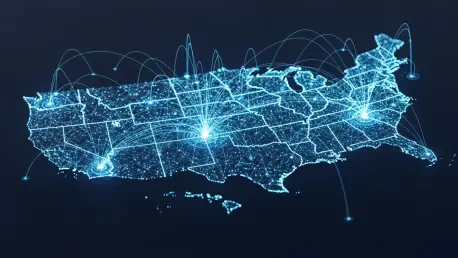
One of the most significant physical barriers preventing the expansion of virtual care is the inconsistent availability of high-speed broadband in rural districts. For a telemedicine appointment to be clinically effective, particularly in fields like mental health or neurology, a stable and high-definition video connection is often a prerequisite. However, large swaths of the rural United States still lack the infrastructure necessary to support these bandwidth-heavy interactions. When a patient’s connection is laggy or frequently drops, the quality of care is compromised, often leading both the provider and the patient to revert to less effective telephonic communication or to abandon the virtual model altogether. This technological divide ensures that the most marginalized populations, who already suffer from a lack of physical clinics, are also the least likely to benefit from digital alternatives, effectively doubling their disadvantage.
Beyond the physical wires and towers, the regulatory landscape presents an equally formidable obstacle in the form of state-specific medical licensure laws. Currently, a specialist located in one state is often legally prohibited from treating a patient located across a state line unless they hold a valid license in the patient’s jurisdiction. This creates a fragmented marketplace where a specialist in a major metropolitan hub cannot easily serve a neighboring rural state that may have a critical shortage of that specific expertise. While some temporary waivers were granted in recent years, the return to more rigid licensure requirements has effectively hemmed in the reach of virtual care. To truly bridge the gap, there is a pressing need for a national licensure compact or federal intervention that allows for the seamless flow of medical expertise across state borders. Without such reform, the geographic reach of digital health will remain limited by artificial political boundaries that have no relevance to the needs of the patient.
Incentivizing Rural Outreach and the Role of Intelligence
To move toward a more equitable healthcare future, policymakers must move beyond simply reimbursing for virtual visits and start incentivizing the recruitment of patients from underserved regions. Current financial models do not distinguish between a virtual visit for a local urban patient and one for a remote rural resident, meaning there is no financial motivation for specialists to deal with the additional hurdles of reaching the latter. Implementation of higher reimbursement rates for “new rural access” visits or tax incentives for practices that maintain a certain percentage of remote underserved patients could stimulate the market shift that technology alone has failed to produce. These tailored policy interventions are necessary to redirect the focus of the medical establishment toward the peripheries of the country. By making it economically viable to serve the underserved, the healthcare system can begin to see the geographic expansion that has thus far remained elusive.
Looking forward, the integration of advanced artificial intelligence and large language models may provide a partial solution to the specialist shortage in rural areas. These technologies have the potential to act as a force multiplier, assisting rural primary care providers in triaging mental health concerns or managing complex chronic conditions through AI-driven decision support tools. While AI cannot replace the human element of specialist care, it can bridge the gap by providing high-level expertise in locations where a human specialist is unavailable. The challenge will be ensuring that these advanced tools are deployed ethically and that they do not become another layer of the digital divide. Combining these technological advancements with a revamped regulatory framework and targeted financial incentives will be essential for transforming telemedicine from a tool of convenience into a transformative engine for national health equity.
The transition to virtual care was initially hailed as the end of geographic healthcare disparities, yet the realized outcomes have been far more modest in scope. It was observed that the geographic footprint of specialized medical practices remained largely static, with virtual tools primarily serving to facilitate the convenience of existing urban patients. Infrastructure deficiencies and restrictive licensure policies were identified as the primary culprits behind this stagnation, effectively preventing specialists from reaching those in the most remote regions. To rectify these failures, policymakers and medical leaders must now prioritize the expansion of broadband access and the reform of interstate medical regulations. Only by coupling technological innovation with aggressive social and economic incentives did it become possible to start closing the persistent health gap in rural America. Moving forward, the focus must shift toward creating a truly borderless medical landscape that prioritizes the needs of the most isolated citizens.