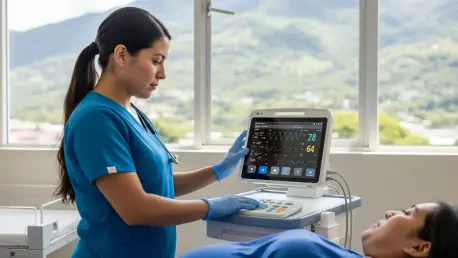

For decades, the geographic isolation of the Guatemalan highlands has created a persistent healthcare vacuum where basic diagnostic services remain a luxury rather than a right for millions of rural citizens. This systemic gap has historically led to high rates of preventable complications, particularly in maternal care where distance and rugged terrain often prevent timely medical intervention. By becoming the first nation in the Americas to utilize national funds through the Pan American Health Organization’s Regional Revolving Funds for specialized telehealth equipment, the country is now fundamentally altering its public health trajectory. The Ministry of Public Health and Social Assistance has secured over 1,400 specialized units, including 729 dedicated telehealth kits and an equal number of maternal-fetal monitors. This strategic investment aims to bridge the digital divide by integrating high-tech tools directly into the primary healthcare framework, ensuring that even the most remote villages gain access to modern medicine. This shift represents a move toward institutionalized equity, where the state prioritizes technology as a core component of its social contract.
Modernizing the Integrated Health Services Network
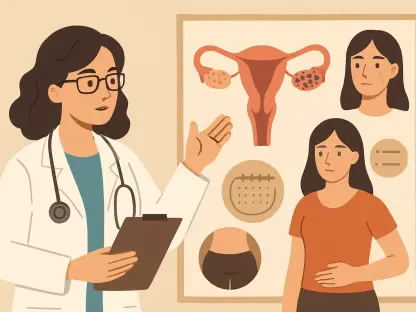
Central to this technological overhaul is the implementation of the Telekit Maternity package, a specialized suite designed to transform how rural clinics manage high-risk pregnancies and infant care. These kits empower local healthcare providers to conduct comprehensive early risk assessments and maintain consistent follow-up protocols within the patient’s own community, eliminating the need for arduous travel to distant urban centers. Health Minister Dr. Joaquín Barnoya emphasized that the ability to monitor fetal heart rates and maternal vital signs in real-time is crucial for the timely identification of life-threatening complications. When a midwife or local nurse detects an anomaly using these monitors, the system facilitates immediate digital referrals to specialists in larger hospitals. This proactive approach mirrors successful digital health transformations seen in neighboring nations like Peru and Bolivia, where PAHO has previously assisted in embedding telehealth strategies into national programs. By prioritizing the maternal health sector, the government is tackling a pressing indicator of national development.
Strategic Procurement: The Role of Revolving Funds
The success of this large-scale deployment hinges on the strategic use of the PAHO Regional Revolving Funds, a sophisticated pooled procurement mechanism that allows member states to acquire medical technology at significantly reduced costs. By leveraging this transparent framework, Guatemala has optimized its limited public resources while ensuring that every piece of equipment meets international quality standards. Looking toward the future, the government focused on scaling these digital interventions from 2026 to 2028 to encompass a wider range of chronic disease management and emergency triage. Public health officials recognized that procurement was merely the first step; the subsequent challenge involved training a new generation of healthcare workers to be digitally literate in a clinical setting. To sustain this momentum, policymakers prioritized the establishment of a robust satellite internet infrastructure to support these devices in areas where traditional cellular signals remain unreliable. The integration of telehealth was seen not just as a temporary fix for rural access, but as a permanent evolution of the national health system. This move established a blueprint for other Latin American nations to follow.