
Despite significant medical advancements over the past several decades, cardiovascular disease continues its reign as the leading cause of death in the United States, presenting a persistent and complex challenge to the healthcare community. In a decisive move to confront this public health crisis head-on, Florida International University has announced the establishment of a groundbreaking new research hub, made possible by a substantial $11.7 million investment from the Florida Heart Research Foundation. This initiative, named the FIU-Florida Heart Research Foundation Center for Innovation in Cardiovascular Health, represents a strategic effort to create a nexus of research, education, and patient care. The center is poised to become a critical resource in the fight against heart disease, aiming to accelerate the development of innovative treatments and diagnostic tools that can fundamentally alter the trajectory of cardiovascular health outcomes, particularly within a state facing a projected increase in disease rates due to its demographic trends.
A Collaborative Blueprint for Innovation
An Interdisciplinary Powerhouse
A defining characteristic of the new center is its large-scale, interdisciplinary framework, a model designed to dismantle the traditional silos that can slow scientific progress. This initiative is unique within the state for its deliberate integration of a diverse cohort of specialists from fields including biomedical engineering, medicine, artificial intelligence, public health, nursing, and biological sciences. The core philosophy is that the multifaceted nature of cardiovascular disease requires an equally multifaceted approach to solve it. By fostering an environment where an AI expert can collaborate directly with a cardiologist, or a public health researcher can inform the work of a tissue engineer, the center aims to stimulate novel insights and expedite the translation of laboratory discoveries into clinical applications. University leadership and its partners believe this integrated structure will dramatically accelerate innovation, allowing teams to tackle complex cardiovascular challenges from multiple perspectives simultaneously, leading to more robust and comprehensive solutions than any single discipline could achieve alone.
Pioneering Research Frontiers
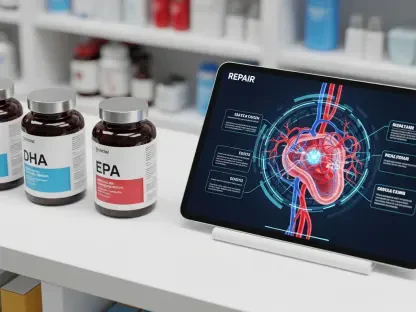
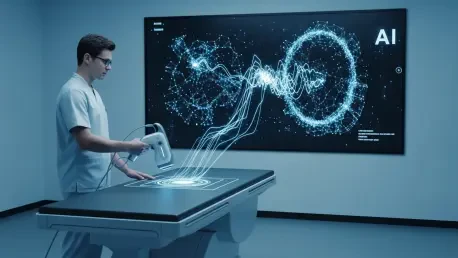
Under the leadership of its inaugural director, Professor of Biomedical Engineering Joshua Hutcheson, the center will strategically focus its research efforts on three critical and high-impact areas. The first pillar involves the creation of advanced diagnostic and screening tools powered by artificial intelligence, which promise to make early detection of heart conditions more accessible and accurate. The second area of focus is the development of regenerative tissue technologies, a revolutionary field that seeks to heal and repair the heart after injury, such as a heart attack, rather than merely managing the resulting damage. The final key research area is dedicated to discovering new methods to understand and ultimately slow the progression of cardiovascular disease at a molecular level. This comprehensive research agenda is designed not only to improve treatment for existing conditions but also to pioneer preventative strategies that can stop heart disease before it becomes life-threatening, marking a significant shift from reactive to proactive cardiac care.
Building a Legacy of Discovery and Expertise
Cultivating the Next Generation of Experts
A crucial component of the center’s long-term vision is its commitment to workforce development, ensuring a sustainable pipeline of talent dedicated to cardiovascular research and care. The initiative includes substantial funding for a multi-tiered educational and professional development program designed to nurture interest and expertise at every stage of the academic and career journey. This begins with providing valuable hands-on experience through high school internships, inspiring the next generation of scientists and clinicians. At the university level, prestigious fellowships will be offered to attract and support the most promising graduate and postgraduate students. Furthermore, the center will award grants to support early-career faculty, empowering them to launch ambitious research projects and establish their own labs. This comprehensive investment in human capital is designed to foster a vibrant, collaborative research community and guarantee that the center’s innovative work will continue for many years to come.
A Partnership Forged in Success
The establishment of this major research center serves as the formalization and significant expansion of a long-standing and highly productive partnership between Professor Hutcheson’s team at FIU and the Florida Heart Research Foundation. This collaboration has already borne fruit, yielding significant discoveries that demonstrate the potential of their combined expertise. One notable achievement from their past work is the development of a low-cost, AI-driven algorithm capable of accurately identifying unhealthy heart sounds from simple recordings, a tool that could revolutionize preliminary cardiac screening in diverse settings. The new $11.7 million investment builds upon this solid foundation of proven success, providing the resources necessary to scale up these efforts and pursue even more ambitious goals. The initiative is widely viewed as a critical and timely response to the healthcare challenges facing Florida, where an aging population and a concerning rise in cardiovascular risk factors among younger adults are projected to drive an increase in heart disease rates.
A Strategic Investment in Public Health
The launch of the FIU-Florida Heart Research Foundation Center for Innovation in Cardiovascular Health marked a pivotal moment in the state’s ongoing battle against heart disease. The initiative represented more than a financial investment; it was a strategic mobilization of intellectual capital and collaborative energy aimed at solving one of the most pressing public health issues of our time. By creating a unique, interdisciplinary ecosystem, the center successfully fostered an environment where groundbreaking ideas could flourish. The focused research pillars promised to deliver tangible advancements in diagnostics, treatment, and prevention, while the robust workforce development program ensured that a new generation of researchers and clinicians was prepared to carry the torch forward. The formalization of the successful partnership between FIU and the foundation provided the stability and resources needed to transform promising research into life-saving realities for countless individuals in Florida and beyond.