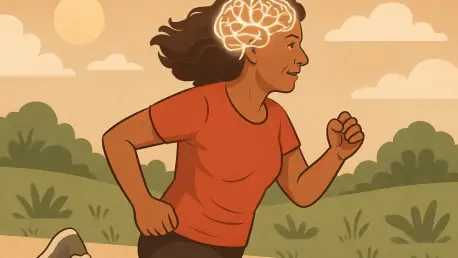

Long before the first forgotten name or misplaced set of keys signals a potential cognitive shift, the brain has already begun a silent, gradual aging process that lifestyle choices can either accelerate or decelerate. For decades, the link between physical activity and cognitive health has been well-established in older populations, but new research is illuminating a far more critical and actionable period for intervention. A landmark clinical trial now provides compelling evidence that consistent aerobic exercise during early to mid-adulthood can significantly slow, and perhaps even reverse, a key biological marker of brain aging, offering a powerful strategy for proactively safeguarding our cognitive future.
This discovery moves the conversation about brain health from a later-life concern to a midlife priority. The study underscores a pivotal truth: the habits formed in our 30s, 40s, and 50s are not just shaping our bodies but are actively sculpting the structure and resilience of our brains for decades to come. By demonstrating a quantifiable, positive change in brain structure through a manageable exercise regimen, this research presents a clear call to action for adults who may feel they are years away from worrying about cognitive decline. It suggests that the path to a healthier brain in our 70s and 80s is paved with the steps, jogs, and bike rides we take today.
The Midlife Turning Point: Is Your Lifestyle Aging Your Brain Faster Than You Are?
Midlife represents a critical inflection point for long-term health, a period where the cumulative effects of lifestyle choices begin to solidify. While often associated with career progression and family responsibilities, these decades are also when the brain’s trajectory toward healthy aging or accelerated decline is profoundly influenced. A sedentary lifestyle, increasingly common in modern professional and personal settings, has been identified as a major risk factor for later-life cognitive impairment. This inactivity contributes to poor cardiovascular health, which in turn directly impacts the brain by reducing blood flow, oxygenation, and the delivery of essential nutrients required for maintaining neural networks.
The challenge is that this neurological impact is largely invisible during midlife. Unlike muscle atrophy or weight gain, the structural changes in the brain accumulate silently, without producing overt symptoms. Consequently, a person may feel perfectly healthy and cognitively sharp while their brain is aging at an accelerated rate. This silent progression underscores the urgency of adopting preventative measures long before cognitive issues become apparent. The decisions made during this turning point can set the stage for either robust cognitive longevity or an increased vulnerability to age-related neurodegenerative diseases.
Beyond Wrinkles and Gray Hair: The Urgent Case for Proactive Brain Health
The connection between midlife inactivity and cognitive decline is not speculative; it is a well-documented pathway to an increased risk for neurodegenerative conditions. Physical inertia contributes to a cascade of negative health outcomes, including hypertension, obesity, and insulin resistance, all of which are known to harm the brain’s delicate vascular system and promote inflammation. This environment of poor cardiometabolic health creates a foundation upon which diseases like Alzheimer’s and other dementias can more easily develop later in life. The brain, a highly metabolic organ, relies on a healthy heart and vascular system to function optimally, and inactivity directly undermines this crucial support system.
This understanding is fueling a significant shift in the focus of dementia prevention, moving the timeline for intervention from the 60s and 70s to the 30s and 40s. Experts now recognize that the pathological changes associated with dementia can begin decades before the first symptoms emerge. This makes early to mid-adulthood the new frontier for preventative medicine. Rather than waiting to address cognitive decline after it has begun, the new paradigm emphasizes building a “cognitive reserve”—a resilient and healthy brain capable of withstanding future challenges. Proactive lifestyle changes during this period are therefore not just beneficial; they are considered essential for mitigating long-term risk.
To quantify the subtle effects of aging and the potential benefits of intervention, scientists have developed sophisticated tools that offer a window into the brain’s structural health. One of the most promising is a biomarker known as the brain-predicted age difference, or brain-PAD. This metric is calculated using advanced structural MRI scans and sophisticated machine learning algorithms. The algorithm analyzes various features of the brain’s anatomy—such as tissue volume and thickness—and compares them to a massive database of scans from healthy individuals to estimate the brain’s “biological” age. The brain-PAD is the difference between this predicted age and a person’s chronological age. A negative value suggests a brain that appears structurally “younger” than its years, while a positive value indicates accelerated aging.
Inside the Landmark Study: How Scientists Measured the Impact of Exercise
The recent year-long clinical trial was designed to rigorously test whether exercise could influence this brain-PAD biomarker. Researchers recruited 130 healthy but physically inactive adults between the ages of 26 and 58. This demographic was specifically chosen because it represents the critical midlife window where lifestyle interventions could have the most profound preventative impact. The participants were cognitively normal and did not have pre-existing conditions that would confound the results, allowing the study to isolate the effects of exercise on a relatively healthy, yet sedentary, brain.
The study employed a randomized controlled trial design, the gold standard for establishing causality in clinical research. Participants were randomly assigned to one of two groups. The intervention group was enrolled in a structured aerobic exercise program, while the control group was instructed to continue with their usual lifestyle and received no exercise guidance. This methodology allowed researchers to directly compare the changes in the exercise group to a baseline of normal, sedentary aging over the same 12-month period, ensuring that any observed differences could be confidently attributed to the exercise intervention itself.
Participants in the exercise group were prescribed a regimen of moderate-to-vigorous aerobic activity, aligning with public health recommendations. Their goal was to achieve 150 minutes of exercise per week. To ensure compliance and proper intensity, the program included two supervised 60-minute sessions each week in a laboratory setting, where activities like treadmill running, stationary cycling, or elliptical training were monitored. Participants completed the remaining exercise at home. This blended approach reflects a practical, real-world application of the exercise guidelines, making the study’s findings more relevant to the general public.
To measure the primary outcome, researchers used a multi-faceted approach. At the beginning and end of the 12-month trial, all participants underwent comprehensive assessments. Cardiorespiratory fitness was measured using the maximal oxygen uptake (VO2 max) test, a precise indicator of aerobic endurance. Simultaneously, high-resolution structural MRI scans were performed to capture detailed images of their brains. These scans were then analyzed using the machine learning model to calculate each participant’s brain-PAD at both time points, providing a clear, quantitative measure of any changes in the rate of brain aging over the course of the study.
The Evidence Is In: Key Findings from the Year-Long Trial
After one year, the results were both clear and compelling. The group that engaged in regular aerobic exercise demonstrated a significant reduction in their brain-PAD, with their brains appearing, on average, nearly a full year “younger” than those in the sedentary control group. Specifically, the exercise group saw their brain-PAD decrease by approximately 0.60 years, while the control group’s brain-PAD increased by about 0.35 years. This 0.95-year difference provides powerful, direct evidence that a sustained exercise program can effectively slow this neuroimaging marker of brain aging in healthy, midlife adults.
The study also reinforced the fundamental link between physical fitness and brain health. Even before the intervention began, baseline measurements revealed a strong correlation between a participant’s cardiorespiratory fitness (CRF) and their brain-PAD. Individuals with higher VO2 max levels—indicating better heart, lung, and circulatory function—tended to have brains that appeared structurally younger for their chronological age. This finding supports the broader scientific consensus that a healthy cardiovascular system is foundational for maintaining brain structure and function, highlighting that the benefits of fitness extend deep into our neural architecture.
Interestingly, while the intervention successfully improved CRF and reduced brain-PAD, the study uncovered a surprising twist in the underlying mechanism. The analysis did not find that the exercise-induced improvements in CRF were the direct statistical mediator of the “younger” brain appearance. Furthermore, other potential factors like changes in body composition, blood pressure, or levels of brain-derived neurotrophic factor (BDNF) did not fully explain the effect. This suggests that the relationship between exercise and brain health is complex. The benefits may arise from a multitude of parallel biological pathways, or it could be that the specific component of CRF improved by short-term training is different from the lifelong, genetically influenced fitness levels that strongly correlate with brain health at baseline.
Putting the Science to Work: A Practical Framework for Protecting Your Cognitive Future
Translating these findings into a practical plan is straightforward and aligns with established global health guidelines. The key is to accumulate at least 150 minutes of moderate-intensity aerobic exercise or 75 minutes of vigorous-intensity exercise per week. Moderate activities, such as brisk walking, cycling on a flat surface, or water aerobics, should raise the heart rate and cause one to break a sweat. Vigorous activities like running, swimming laps, or high-intensity interval training (HIIT) will make breathing deep and rapid. A combination of both, spread throughout the week, provides a flexible and effective prescription for promoting brain health.
The implications of this research extend beyond individual health choices, offering a powerful argument for public health initiatives that promote physical activity. By demonstrating a tangible way to slow a marker of brain aging, the study provides a strong rationale for corporate wellness programs, community infrastructure that supports active lifestyles (like bike lanes and parks), and educational campaigns that frame exercise as an essential tool for cognitive preservation, not just physical fitness. Investing in prevention during midlife could yield substantial long-term benefits, potentially reducing the societal burden of dementia and enhancing the quality of life for an aging population.
Although the study’s results were robust, it is important to acknowledge its limitations and outline the path for future research. Participant attrition, partly due to external disruptions, meant that a smaller number completed the final brain imaging than had started the trial. Moreover, the study focused on a structural biomarker of brain aging and did not measure cognitive performance as a primary outcome. Future long-term studies will be needed to confirm whether these improvements in brain structure translate directly into sustained cognitive benefits and a clinically significant reduction in dementia risk as these participants age. This work has laid a critical foundation, illuminating a promising strategy for preserving our most vital organ for a long and vibrant life.Fixed version:
Long before the first forgotten name or misplaced set of keys signals a potential cognitive shift, the brain has already begun a silent, gradual aging process that lifestyle choices can either accelerate or decelerate. For decades, the link between physical activity and cognitive health has been well-established in older populations, but new research is illuminating a far more critical and actionable period for intervention. A landmark clinical trial now provides compelling evidence that consistent aerobic exercise during early to mid-adulthood can significantly slow, and perhaps even reverse, a key biological marker of brain aging, offering a powerful strategy for proactively safeguarding our cognitive future.
This discovery moves the conversation about brain health from a later-life concern to a midlife priority. The study underscores a pivotal truth: the habits formed in our 30s, 40s, and 50s are not just shaping our bodies but are actively sculpting the structure and resilience of our brains for decades to come. By demonstrating a quantifiable, positive change in brain structure through a manageable exercise regimen, this research presents a clear call to action for adults who may feel they are years away from worrying about cognitive decline. It suggests that the path to a healthier brain in our 70s and 80s is paved with the steps, jogs, and bike rides we take today.
The Midlife Turning Point: Is Your Lifestyle Aging Your Brain Faster Than You Are?
Midlife represents a critical inflection point for long-term health, a period where the cumulative effects of lifestyle choices begin to solidify. While often associated with career progression and family responsibilities, these decades are also when the brain’s trajectory toward healthy aging or accelerated decline is profoundly influenced. A sedentary lifestyle, increasingly common in modern professional and personal settings, has been identified as a major risk factor for later-life cognitive impairment. This inactivity contributes to poor cardiovascular health, which in turn directly impacts the brain by reducing blood flow, oxygenation, and the delivery of essential nutrients required for maintaining neural networks.
The challenge is that this neurological impact is largely invisible during midlife. Unlike muscle atrophy or weight gain, the structural changes in the brain accumulate silently, without producing overt symptoms. Consequently, a person may feel perfectly healthy and cognitively sharp while their brain is aging at an accelerated rate. This silent progression underscores the urgency of adopting preventative measures long before cognitive issues become apparent. The decisions made during this turning point can set the stage for either robust cognitive longevity or an increased vulnerability to age-related neurodegenerative diseases.
Beyond Wrinkles and Gray Hair: The Urgent Case for Proactive Brain Health
The connection between midlife inactivity and cognitive decline is not speculative; it is a well-documented pathway to an increased risk for neurodegenerative conditions. Physical inertia contributes to a cascade of negative health outcomes, including hypertension, obesity, and insulin resistance, all of which are known to harm the brain’s delicate vascular system and promote inflammation. This environment of poor cardiometabolic health creates a foundation upon which diseases like Alzheimer’s and other dementias can more easily develop later in life. The brain, a highly metabolic organ, relies on a healthy heart and vascular system to function optimally, and inactivity directly undermines this crucial support system.
This understanding is fueling a significant shift in the focus of dementia prevention, moving the timeline for intervention from the 60s and 70s to the 30s and 40s. Experts now recognize that the pathological changes associated with dementia can begin decades before the first symptoms emerge. This makes early to mid-adulthood the new frontier for preventative medicine. Rather than waiting to address cognitive decline after it has begun, the new paradigm emphasizes building a “cognitive reserve”—a resilient and healthy brain capable of withstanding future challenges. Proactive lifestyle changes during this period are therefore not just beneficial; they are considered essential for mitigating long-term risk.
To quantify the subtle effects of aging and the potential benefits of intervention, scientists have developed sophisticated tools that offer a window into the brain’s structural health. One of the most promising is a biomarker known as the brain-predicted age difference, or brain-PAD. This metric is calculated using advanced structural MRI scans and sophisticated machine learning algorithms. The algorithm analyzes various features of the brain’s anatomy—such as tissue volume and thickness—and compares them to a massive database of scans from healthy individuals to estimate the brain’s “biological” age. The brain-PAD is the difference between this predicted age and a person’s chronological age. A negative value suggests a brain that appears structurally “younger” than its years, while a positive value indicates accelerated aging.
Inside the Landmark Study: How Scientists Measured the Impact of Exercise
The recent year-long clinical trial was designed to rigorously test whether exercise could influence this brain-PAD biomarker. Researchers recruited 130 healthy but physically inactive adults between the ages of 26 and 58. This demographic was specifically chosen because it represents the critical midlife window where lifestyle interventions could have the most profound preventative impact. The participants were cognitively normal and did not have pre-existing conditions that would confound the results, allowing the study to isolate the effects of exercise on a relatively healthy, yet sedentary, brain.
The study employed a randomized controlled trial design, the gold standard for establishing causality in clinical research. Participants were randomly assigned to one of two groups. The intervention group was enrolled in a structured aerobic exercise program, while the control group was instructed to continue with their usual lifestyle and received no exercise guidance. This methodology allowed researchers to directly compare the changes in the exercise group to a baseline of normal, sedentary aging over the same 12-month period, ensuring that any observed differences could be confidently attributed to the exercise intervention itself.
Participants in the exercise group were prescribed a regimen of moderate-to-vigorous aerobic activity, aligning with public health recommendations. Their goal was to achieve 150 minutes of exercise per week. To ensure compliance and proper intensity, the program included two supervised 60-minute sessions each week in a laboratory setting, where activities like treadmill running, stationary cycling, or elliptical training were monitored. Participants completed the remaining exercise at home. This blended approach reflects a practical, real-world application of the exercise guidelines, making the study’s findings more relevant to the general public.
To measure the primary outcome, researchers used a multi-faceted approach. At the beginning and end of the 12-month trial, all participants underwent comprehensive assessments. Cardiorespiratory fitness was measured using the maximal oxygen uptake (VO2 max) test, a precise indicator of aerobic endurance. Simultaneously, high-resolution structural MRI scans were performed to capture detailed images of their brains. These scans were then analyzed using the machine learning model to calculate each participant’s brain-PAD at both time points, providing a clear, quantitative measure of any changes in the rate of brain aging over the course of the study.
The Evidence Is In: Key Findings from the Year-Long Trial
After one year, the results were both clear and compelling. The group that engaged in regular aerobic exercise demonstrated a significant reduction in their brain-PAD, with their brains appearing, on average, nearly a full year “younger” than those in the sedentary control group. Specifically, the exercise group saw their brain-PAD decrease by approximately 0.60 years, while the control group’s brain-PAD increased by about 0.35 years. This 0.95-year difference provides powerful, direct evidence that a sustained exercise program can effectively slow this neuroimaging marker of brain aging in healthy, midlife adults.
The study also reinforced the fundamental link between physical fitness and brain health. Even before the intervention began, baseline measurements revealed a strong correlation between a participant’s cardiorespiratory fitness (CRF) and their brain-PAD. Individuals with higher VO2 max levels—indicating better heart, lung, and circulatory function—tended to have brains that appeared structurally younger for their chronological age. This finding supports the broader scientific consensus that a healthy cardiovascular system is foundational for maintaining brain structure and function, highlighting that the benefits of fitness extend deep into our neural architecture.
Interestingly, while the intervention successfully improved CRF and reduced brain-PAD, the study uncovered a surprising twist in the underlying mechanism. The analysis did not find that the exercise-induced improvements in CRF were the direct statistical mediator of the “younger” brain appearance. Furthermore, other potential factors like changes in body composition, blood pressure, or levels of brain-derived neurotrophic factor (BDNF) did not fully explain the effect. This suggests that the relationship between exercise and brain health is complex. The benefits may arise from a multitude of parallel biological pathways, or it could be that the specific component of CRF improved by short-term training is different from the lifelong, genetically influenced fitness levels that strongly correlate with brain health at baseline.
Putting the Science to Work: A Practical Framework for Protecting Your Cognitive Future
Translating these findings into a practical plan is straightforward and aligns with established global health guidelines. The key is to accumulate at least 150 minutes of moderate-intensity aerobic exercise or 75 minutes of vigorous-intensity exercise per week. Moderate activities, such as brisk walking, cycling on a flat surface, or water aerobics, should raise the heart rate and cause one to break a sweat. Vigorous activities like running, swimming laps, or high-intensity interval training (HIIT) will make breathing deep and rapid. A combination of both, spread throughout the week, provides a flexible and effective prescription for promoting brain health.
The implications of this research extend beyond individual health choices, offering a powerful argument for public health initiatives that promote physical activity. By demonstrating a tangible way to slow a marker of brain aging, the study provides a strong rationale for corporate wellness programs, community infrastructure that supports active lifestyles (like bike lanes and parks), and educational campaigns that frame exercise as an essential tool for cognitive preservation, not just physical fitness. Investing in prevention during midlife could yield substantial long-term benefits, potentially reducing the societal burden of dementia and enhancing the quality of life for an aging population.
Although the study’s results were robust, it is important to acknowledge its limitations and outline the path for future research. Participant attrition, partly due to external disruptions, meant that a smaller number completed the final brain imaging than had started the trial. Moreover, the study focused on a structural biomarker of brain aging and did not measure cognitive performance as a primary outcome. Future long-term studies will be needed to confirm whether these improvements in brain structure translate directly into sustained cognitive benefits and a clinically significant reduction in dementia risk as these participants age. This work has laid a critical foundation, illuminating a promising strategy for preserving our most vital organ for a long and vibrant life.