
The staggering reality of nearly one million new sexually transmitted infections occurring every single day globally has forced a radical shift in how researchers approach reproductive health and bioengineering. Traditional research methods, such as two-dimensional petri dish cultures or animal surrogates, have historically failed to capture the unique hormonal, microbial, and chemical intricacies of the human female reproductive tract. This failure has led to a significant gap in our understanding of infection pathways and treatment efficacy. The Cervical Organ-on-a-Chip (OoC) represents a sophisticated advancement that bridges this divide by providing a microphysiological system capable of simulating human biology with unprecedented fidelity.
Introduction to Microphysiological Cervical Models
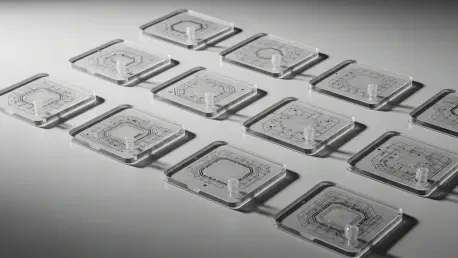
Organ-on-a-Chip technology utilizes microfabrication techniques to create controlled environments where human cells can thrive and interact as they would within the body. In the context of the cervix, this means moving beyond static cultures toward dynamic systems that reflect the complex interface between epithelial tissues and the external environment. These models are not merely technological novelties but are essential tools born from the collaborative efforts of microbiologists, engineers, and immunologists who recognized that human-specific biology cannot be adequately modeled in non-human species.
By mimicking the physical and chemical cues of the cervix, these chips allow for the study of cellular responses in a way that traditional models cannot. The emergence of this technology within the broader landscape of microphysiological systems (MPS) signals a transition toward more ethical and accurate drug testing. Moreover, it addresses the long-standing medical bias that has often left female reproductive health under-researched, providing a dedicated platform for investigating the specific biological vulnerabilities and strengths of the cervical barrier.
Architectural Design and Functional Components
Multi-Layered Biomimetic Scaffolding: The Structural Foundation
The structural integrity of the cervical chip relies on a sophisticated porous membrane that serves as a three-dimensional scaffold. This membrane facilitates the physical separation of different cell types while allowing for biochemical communication between them. By layering human cervical epithelial cells on one side and supportive stromal tissue and immune cells on the other, researchers have successfully recreated the physiological barrier that protects the upper reproductive tract. This architecture is vital for studying how pathogens traverse tissue layers to cause systemic infection.
Furthermore, this layered approach enables the observation of cell-to-cell signaling in a controlled manner. Unlike a flat petri dish where cells are forced into unnatural configurations, the scaffolding allows for a vertical orientation that mirrors the human cervix. This spatial arrangement is critical for the proper maturation of cells and the production of protective mucus, which is a primary defense mechanism against infection.
Dynamic Fluid Microenvironments: Simulating Physiological Flow
Static models often fail because they ignore the mechanical forces inherent in the human body, such as the flow of mucus and the transport of nutrients. The cervical chip addresses this by integrating microfluidic channels that simulate the continuous movement of physiological fluids. This flow provides essential shear stress—a mechanical force that influences how cells grow, move, and respond to external stimuli. Without this movement, cell viability decreases, and the realism of the model is compromised.
The design goal of these systems has also shifted toward making them accessible to researchers who may not have extensive engineering backgrounds. By creating intuitive interfaces and reliable fluidic connections, developers have turned a complex bioengineering project into a practical laboratory tool. This accessibility ensures that the technology can be widely adopted across various scientific disciplines, accelerating the pace of discovery in reproductive health.
Innovations: Immune Integration and Microbiome Simulation
One of the most significant breakthroughs in this field is the creation of the first immune-capable cervical model. By introducing white blood cells into the system, researchers can now observe the inflammatory response in real time as it interacts with both “optimal” and “non-optimal” microbial communities. This capability allows for a deep dive into how the body distinguishes between beneficial bacteria, like Lactobacillus species, and dangerous pathogens like Chlamydia trachomatis.
The technology provides a unique window into the competitive landscape of the vaginal microbiome. It allows scientists to observe how certain bacterial strains protect the host by producing lactic acid and other antimicrobial compounds. This simulation is not just a static observation; it is a dynamic battleground where the “good” bacteria can be seen actively inhibiting the growth of pathogens, providing clear evidence for the protective role of a healthy microbiome.
Real-World Applications in Infectious Disease Research
The application of this technology has already yielded vital insights into the pathogenesis of common infections like Chlamydia and Gonorrhea. By recreating the infection process on a chip, scientists have identified specific triggers that allow these pathogens to evade the immune system. This research is particularly important for understanding pelvic inflammatory disease (PID), a condition that often leads to permanent infertility if not caught early. The chip acts as an early-warning system, showing exactly how infection-driven inflammation damages reproductive tissues.
Moreover, the platform is becoming an essential tool for the development of live biotherapeutics. Instead of relying on broad-spectrum antibiotics that can strip away beneficial bacteria, researchers are using the chip to test tailored probiotics. These treatments are designed to bolster a woman’s natural defenses, offering a more nuanced approach to reproductive health. The ability to test these therapies on human cells before moving to clinical trials significantly reduces the risk of failure and speeds up the delivery of new treatments to patients.
Current Challenges and Technical Limitations
Despite the impressive capabilities of cervical chips, several technical hurdles remain. Maintaining long-term microbial stability is a primary concern; if the bacteria grow too quickly, they can overwhelm and kill the human cells, ruining the experiment. Balancing the nutrient requirements of both human and microbial life requires a level of precision that is difficult to maintain over several weeks. Additionally, the high cost of fabrication and the need for specialized equipment limit the technology’s availability in resource-poor settings.
Regulatory hurdles also persist, as health authorities are still determining how to validate Organ-on-a-Chip data for clinical use. While the data is more human-relevant than animal data, it lacks the decades of standardized validation that traditional models possess. Efforts are currently underway to simplify the “plug-and-play” aspects of these devices, making them more robust and easier to standardize across different laboratories to overcome these market obstacles.
Future Trajectory: Personalized Reproductive Medicine
The outlook for this technology suggests a shift toward patient-specific “chips” that use an individual’s own cells and microbial samples. This would allow doctors to test how a specific patient might respond to a particular treatment, moving the field of reproductive health toward a model of truly personalized medicine. In the coming years, we may see the integration of neural and vascular components into these chips, making them even more representative of the whole-body environment.
Furthermore, as the technology matures, it has the potential to almost entirely replace animal models in certain stages of pharmaceutical development. This would not only be more ethical but also more cost-effective in the long run, as it reduces the reliance on biological models that frequently produce misleading results. The long-term impact on global public health could be profound, potentially reducing the rates of STI-related infertility and the immense economic burden associated with reproductive infections.
Summary and Final Assessment
The development of the cervical organ-on-a-chip successfully bridged the gap between basic laboratory research and the complexities of human biology. It offered a sophisticated lens through which the interactions of the microbiome, the immune system, and pathogens were analyzed with high precision. By simulating dynamic fluid environments and multi-layered tissue structures, the technology provided a realistic platform for testing new therapies and understanding disease progression. This innovation ultimately paved the way for more accurate, ethical, and personalized approaches to reproductive medicine. Future iterations will likely expand on these foundations to include even more complex biological systems.