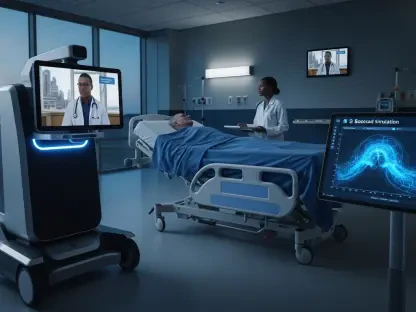

Across vast stretches of rural America, the silence of isolation is often broken by a growing mental health crisis, where access to care is not a matter of choice but of sheer geographical luck. In eastern Montana, a sprawling region covering 53,000 square miles, this challenge reached a critical point; the area had no practicing psychiatrists in 1993 and only a single one by 2019. This stark reality is emblematic of a statewide dilemma, with 51 of Montana’s 56 counties officially designated as mental health professional shortage areas. Consequently, residents in these remote communities are 1.5 times less likely to receive necessary treatment compared to their urban counterparts. The downstream effects of this scarcity are severe: individuals in distress face waits of weeks or even months for an appointment, already strained emergency departments become the de facto front line for psychiatric emergencies, and critical interventions are dangerously delayed, leaving vulnerable populations without a lifeline. This profound gap in the healthcare landscape highlights a systemic failure to provide equitable mental health support to all citizens, regardless of their zip code.
A Technological Lifeline in the Big Sky State
In response to this enduring challenge, an innovative and long-standing model has demonstrated remarkable efficacy in bridging the care gap. The Eastern Montana Telemedicine Network (EMTN), established in 1993, operates on a sophisticated “hub-and-spoke” system designed to distribute specialized care across a vast and difficult-to-serve territory. With Billings Clinic acting as the central hub, the network extends its reach to over 30 smaller hospitals and local care facilities—the spokes—scattered throughout Montana and northern Wyoming. This structure allows the concentrated expertise of psychiatrists and mental health professionals at the hub to be virtually projected into communities that could never support a full-time specialist. By pooling these valuable psychiatric resources, the EMTN provides a spectrum of services, from emergency consultations to inpatient coverage and ongoing therapy, without the prohibitive cost and logistical nightmare of recruiting and retaining staff in dozens of remote locations. This model effectively “makes geography irrelevant,” transforming a fragmented and underserved region into an integrated network of care.
The recent global health crisis served as an unexpected and powerful catalyst, fundamentally reshaping the delivery of care within the EMTN and validating its decades-long mission. Before this period, telehealth was often a secondary option, but the necessity of remote services rapidly normalized direct-to-patient virtual visits, making them the primary and preferred method for many consultations. This widespread adoption was bolstered by crucial, and now permanent, regulatory shifts that removed previous barriers to telemedicine reimbursement and practice. For the EMTN, this cultural and legislative transformation was instrumental, allowing the network to not only continue its work but to expand its impact significantly. Home-based virtual visits became commonplace, granting patients unprecedented access to specialists from the privacy and comfort of their own homes. This shift dramatically improved patient engagement and follow-through, proving that technology, when supported by a robust framework and favorable policies, can dismantle long-standing barriers to mental healthcare access.
Forging a Blueprint for National Replication
The resounding success of the EMTN offers more than just a regional solution; it provides a viable and scalable blueprint for other health systems nationwide grappling with similar issues of workforce shortages and geographical isolation. The core achievement of the network has been its ability to drastically improve patient outcomes by dramatically reducing wait times for psychiatric evaluations from weeks to, in many cases, mere hours. This rapid access to care is transformative, particularly in emergency situations where immediate intervention can be life-saving. By creating a virtual extension of its specialty services, Billings Clinic has managed to expand its capacity and serve a larger population without the need for physical infrastructure expansion. This efficient use of resources demonstrates a sustainable path forward for rural healthcare, proving that a centralized, technology-driven approach can effectively address the maldistribution of medical specialists that plagues much of the country.
Ultimately, the journey of the Eastern Montana Telemedicine Network illustrated that technology, when thoughtfully implemented within a collaborative framework, could fundamentally alter the landscape of rural mental healthcare. The model proved its capacity to overcome immense logistical hurdles, delivering specialized psychiatric services to some of the nation’s most isolated communities. It confirmed that virtual care was not a lesser substitute but a powerful tool for enhancing access, reducing treatment delays, and improving the overall health of a population. The key takeaway from this long-running initiative was the undeniable potential for well-structured telehealth systems to build more resilient and equitable healthcare infrastructures, offering a beacon of hope for countless other underserved regions seeking to close their own critical gaps in care.