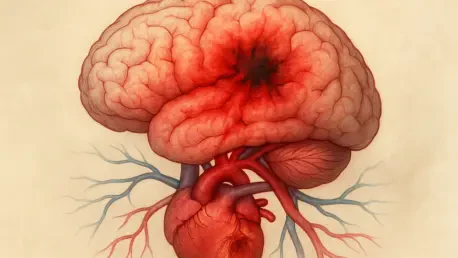

The sudden occlusion of a coronary artery initiates a catastrophic sequence of cellular death that fundamentally alters the architectural integrity of the human heart within minutes. While contemporary emergency medicine has become remarkably efficient at reestablishing blood flow through angioplasty and stenting, these interventions often fail to address the secondary wave of damage known as adverse remodeling. During the weeks following an initial cardiac event, the heart attempts to compensate for lost muscle by stretching and scarring, a process that frequently leads to chronic heart failure and a permanent reduction in the patient’s quality of life. Scientists at Columbia University have recently published findings regarding a groundbreaking gene therapy designed to interrupt this destructive cycle. By focusing on the critical window of recovery, this new approach seeks to stabilize the cardiac structure and prevent the gradual decline into terminal failure that currently haunts millions of survivors globally.
Harnessing Genetic Technology for Cardiac Repair
The Innovation of Self-Amplifying RNA
At the heart of this medical advancement lies the deployment of self-amplifying RNA, a sophisticated genetic tool that represents a significant leap forward from the messenger RNA technology used in previous years. Standard mRNA serves as a temporary blueprint for protein production, but it is rapidly degraded by cellular enzymes, necessitating frequent dosing or high concentrations to maintain a therapeutic effect. In contrast, saRNA is engineered with the internal machinery to replicate itself once it has been successfully delivered into the cytoplasm of a target cell. This self-sustaining property allows a single administration to facilitate the continuous production of therapeutic proteins for an extended duration, often lasting several weeks. By utilizing lipid nanoparticles as a delivery vehicle, researchers can ensure the genetic material remains protected and functional, providing a steady stream of restorative signals that would otherwise require invasive and repetitive clinical procedures to achieve.
The extended duration of saRNA-driven protein synthesis is particularly vital because the biological process of cardiac remodeling is not an instantaneous event but a prolonged physiological transition. In the period spanning from 2026 to 2028, clinical focus has increasingly shifted toward the “golden window” of recovery—the specific timeframe following a heart attack when the myocardium is most plastic and responsive to intervention. During these critical weeks, the presence of specific protective proteins can effectively suppress the inflammatory signals that trigger excessive fibrotic scarring and ventricular dilation. By maintaining high levels of these beneficial molecules through a self-replicating genetic template, the therapy ensures that the heart is supported throughout the entirety of its most vulnerable phase. This sustained biological presence effectively bridges the gap between acute emergency care and long-term chronic management, offering a proactive shield against the structural degradation that typically follows a major ischemic event.
Transforming Muscle into a Hormone Factory
One of the most pragmatic aspects of this novel therapy is the decision to utilize skeletal muscle as a localized production site rather than attempting to inject genetic material directly into the damaged heart. Direct cardiac injections are inherently risky, carrying the potential for arrhythmias or further mechanical trauma to already weakened tissue. By opting for a standard intramuscular injection, similar to a routine vaccination, the researchers have created a far safer and more accessible delivery method for the general population. Once the saRNA is integrated into the muscle cells of the arm or leg, these cells begin to function as a biological factory, secreting the precursor hormone known as pro-atrial natriuretic peptide into the systemic circulation. This inactive protein circulates harmlessly through the bloodstream, remaining dormant until it encounters the specific physiological conditions of the heart, where it can then be converted into its active and potent cardioprotective form.
The precision of this treatment is further enhanced by its reliance on a unique enzymatic “switch” called corin, which is predominantly located within the cardiac tissue itself. When the inactive pro-hormone reaches the heart, corin cleaves the molecule, transforming it into active Atrial Natriuretic Peptide, or ANP. This localized activation ensures that the hormone’s powerful effects—such as reducing blood pressure within the heart chambers and inhibiting the growth of collagen-producing fibroblasts—are concentrated exactly where they are needed most. By activating the natriuretic peptide receptor NPR1, the therapy initiates a cascade of intracellular signaling that actively preserves the heart’s pumping efficiency and structural shape. This targeted approach significantly mitigates the risk of systemic side effects, such as a dangerous drop in overall blood pressure, which often limits the utility of traditional pharmacological versions of these hormones when administered orally or via intravenous infusion.
Validating Efficacy and Moving Toward Human Trials
Targeted Protection: Site-Specific Activation
The biological elegance of the site-specific activation model ensures that the therapy operates with a high degree of pharmacological safety, even in patients with fragile cardiovascular systems. By tethering the hormone’s activation to the presence of cardiac corin, the researchers successfully bypassed the systemic vasodilation that typically accompanies natriuretic peptide therapy. This means that while the heart receives the maximum anti-fibrotic and anti-inflammatory benefits, the rest of the body is largely unaffected, preventing the hypotension that often complicates the recovery of heart attack patients. Furthermore, the use of lipid nanoparticles ensures that the saRNA remains localized to the injection site, preventing off-target genetic expression in organs like the liver or kidneys. This level of control represents a significant refinement in gene therapy, moving away from systemic saturation toward a more nuanced, “on-demand” delivery system that leverages the body’s existing biochemical gradients to achieve its therapeutic goals.
As the therapy moves toward broader application, the ability to control protein expression through a single intramuscular dose offers a revolutionary alternative to the current standard of care. Conventional treatments often require patients to adhere to strict daily medication schedules, which can be difficult for those recovering from the trauma of a major cardiac event. By transforming the patient’s own skeletal muscle into a temporary endocrine organ, the saNppa-LNP system provides a continuous, auto-regulating source of medication that eliminates the peaks and troughs of traditional drug delivery. This steady-state concentration of protective hormones is much more effective at stabilizing the heart’s mechanical environment, preventing the sudden spikes in wall stress that lead to ventricular thinning and enlargement. This shift toward “bio-manufacturing” within the patient’s own body represents a new paradigm in regenerative medicine, where the focus is on enhancing internal resilience rather than relying solely on external pharmacological support.
Proven Results: Diverse Biological Models
The research team validated the efficacy of the saNppa-LNP therapy through a series of rigorous experiments involving both small and large-animal models to ensure the findings were robust and reproducible. In initial mouse studies, a single injection following a simulated heart attack resulted in a dramatic reduction in the size of the permanent scar tissue and a significant preservation of the left ventricular ejection fraction. To address the complexities of human health, the therapy was also tested in aged, diabetic, and atherosclerotic models, demonstrating that the treatment remains effective even in the presence of common comorbidities that typically hinder recovery. The most compelling evidence came from trials in swine models, which possess cardiovascular systems and heart sizes that closely mirror those of humans. In these large-animal subjects, the therapy consistently prevented the development of maladaptive remodeling, providing a high level of confidence that the biological mechanism will translate successfully to human patients in upcoming clinical settings.
The transition from laboratory success to clinical application was managed through intensive pharmacology and toxicology studies to determine the precise dosing schedules required for human safety. Future considerations for medical providers involved the integration of these “one-shot” injections into standard post-ischemic protocols, potentially replacing the need for complex, lifelong medication regimens. Health systems examined the logistical advantages of a shelf-stable, intramuscular treatment that could be administered in any primary care setting shortly after a patient was discharged from the hospital. The successful validation of the saRNA platform paved the way for a new generation of endocrine-based gene therapies targeting other chronic diseases. Ultimately, the development of the saNppa-LNP injection represented a significant victory for translational medicine, providing a scalable solution to one of the most persistent challenges in cardiology and offering millions of patients a clear path toward a more robust and sustainable recovery.