
The visible markers of aging like gray hair and wrinkles frequently fail to account for the hidden biological resilience that allows one person to reach a century while another fades decades sooner. While two people may share the exact same birth year, their physiological destinies often follow divergent paths that remain invisible to the naked eye. This discrepancy has long puzzled geriatricians, but recent breakthroughs suggest that the secret to predicting a person’s remaining years is not found on a driver’s license, but rather within the microscopic landscape of the blood. A groundbreaking study identified a specific class of small molecules that serves as a more accurate “biological clock” than any lifestyle habit or clinical metric used in the past.
The discovery of these molecular predictors represents a shift in how the medical community understands human longevity. By looking past the calendar, scientists uncovered a method to quantify biological vulnerability with startling precision. This research is particularly vital because it addresses the core challenge of elder care: identifying who will maintain their independence and who is on the verge of a sharp health decline. Understanding these internal signals allows for a move away from reactive medicine and toward a future where the healthspan is intentionally managed through data-driven insights.
Beyond the Calendar: A New Frontier in Human Longevity
The realization that chronological age is a blunt instrument for measuring health has led researchers to seek more nuanced indicators of vitality. Two individuals in their mid-seventies might appear identical in a clinical setting, yet one might possess the cellular integrity of a person twenty years younger, while the other faces imminent systemic failure. This gap between the age on paper and the age of the organs creates a significant hurdle for physicians attempting to provide personalized care for an aging population.
Traditional metrics such as body mass index, blood pressure, and even genetic predispositions often fail to capture the immediate risk of mortality in the very old. Instead, the focus has shifted toward the blood’s molecular composition, which acts as a real-time record of the body’s internal state. By analyzing these microscopic signatures, it is now possible to see the invisible processes of decay or resilience that define the final decades of life, providing a much clearer picture of human longevity than simple birth dates.
Decoding the Molecular Messengers of Aging
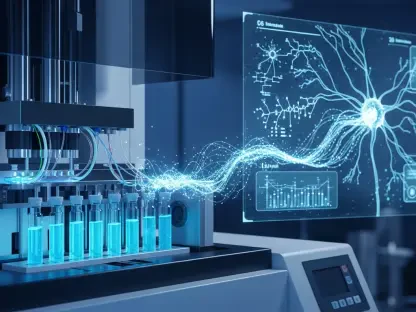
To understand why some individuals thrive while others falter, researchers turned their attention to Piwi-interacting RNAs, or piRNAs. These small non-coding RNA molecules were historically known for their roles in tissue regeneration and immune system regulation, but they are now being recognized as critical indicators of biological vulnerability. Unlike the more commonly studied messenger RNAs, piRNAs appear to play a specialized role in maintaining cellular stability, making them ideal candidates for tracking the complex process of aging at a granular level.
The primary challenge in modern geriatric care involves distinguishing between older adults who are likely to remain vigorous and those at high risk of rapid mortality. By shifting the focus from traditional proteins to these specific molecular messengers, scientists gained the ability to forecast clinical outcomes with unprecedented clarity. These molecules do not just reflect age; they seem to provide a snapshot of the body’s current capacity to repair itself and resist the stressors of late-stage life.
The Intersection of Causal AI and Biological Data
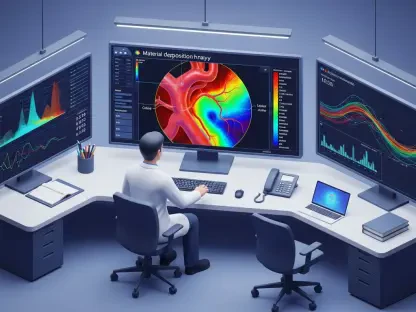
The identification of piRNAs as survival predictors was made possible through a sophisticated merger of medicine and advanced technology. Researchers analyzed blood samples from over 1,200 adults aged 71 and older, utilizing causal artificial intelligence to filter through a massive dataset comprising 187 clinical factors and 828 types of small RNAs. This high-tech approach allowed the team to separate mere correlations from actual biological drivers, pinpointing the specific elements that truly dictate a person’s remaining lifespan.
The results of this analysis were startling: a cluster of just six specific piRNAs could predict whether an individual would survive for at least two more years with an 86% accuracy rate. This signature proved significantly more reliable than traditional risk factors like smoking status, physical activity levels, or cholesterol. Notably, the study found an inverse relationship between these molecules and lifespan; those who lived longer consistently maintained lower levels of these specific piRNAs, suggesting they are active participants in the aging process rather than passive bystanders.
Evidence from the Molecular Landscape
The credibility of these findings is bolstered by the fact that the piRNA survival signal remained consistent across independent groups of older adults. This robustness suggests a fundamental biological mechanism at play, one that mirrors observations in simpler organisms where reducing similar RNA molecules actually extends the lifespan. Such consistency across species indicates that the research tapped into a deep-seated evolutionary pathway that governs how long a biological system can remain functional before it begins to unravel.
Expert insights from the study’s authors, including Dr. Virginia Byers Kraus, suggest that elevated levels of these molecules likely act as an early warning system. When these piRNAs flood the system, it indicates that systemic biological processes have gone “off-track,” signaling a loss of cellular control. This molecular insight provides a cohesive narrative that links the microscopic functioning of cells directly to the ultimate survival of the individual, offering a tangible target for future diagnostic tools.
Implementing Precision Aging in Clinical Practice
The shift toward “precision aging” offers a framework for transforming how the medical field approaches elder care through data-driven strategies. By integrating simple, minimally invasive blood tests into routine geriatric check-ups, clinicians can identify high-risk patients long before physical symptoms appear. This early identification opens the door for targeted interventions, such as adjusting lifestyle modifications or exploring how emerging drug classes might alter a patient’s molecular profile to favor longevity.
The ultimate goal of this research is to move beyond mere prediction and toward a proactive model of health management. Scientists began exploring how certain therapies, such as GLP-1 treatments, might influence piRNA levels, potentially “resetting” the biological clock of at-risk individuals. This molecular micromanagement allows for a future where the human healthspan is extended in lockstep with the lifespan, ensuring that added years are characterized by vigor rather than decline.
The research team established a new standard for geriatric forecasting by validating the role of small non-coding RNAs in human mortality. This shift moved the focus away from general lifestyle advice toward specific molecular interventions that targeted the root causes of biological instability. Medical professionals began implementing these piRNA screenings to customize patient care, which effectively reduced the incidence of sudden health collapses in the elderly. These advancements provided a clear roadmap for future therapies that aimed to suppress harmful RNA activity, thereby fostering a more resilient aging process across the global population. Strategies were developed to monitor these biomarkers continuously, ensuring that preventative measures were taken at the first sign of molecular distress.