
Picture a hospital radiology department swamped with thousands of MRI scans, each holding the key to a patient’s life-changing diagnosis, yet delays stretch on for weeks due to a shortage of experts. What if a machine could step in, instantly flagging critical brain abnormalities like strokes or tumors before a human even looks at the image? This isn’t a distant dream but a tangible breakthrough driven by artificial intelligence. A cutting-edge AI model from a leading research institution in London is poised to redefine how brain conditions are detected, promising faster, more accurate results in an overburdened healthcare system. This technology could be the lifeline many patients desperately need.
The Urgent Need for Innovation in Radiology
The stakes in brain abnormality detection have never been higher. With an aging population and a rise in neurological disorders, the demand for MRI scans has surged dramatically. However, a persistent shortage of trained radiologists has created a bottleneck, leaving patients waiting for answers while conditions like multiple sclerosis or brain tumors potentially worsen. In some regions, backlogs mean critical diagnoses are delayed by weeks, a timeframe that can alter outcomes in urgent cases. This crisis underscores why AI’s emergence as a diagnostic tool isn’t just timely—it’s essential to saving lives and easing the strain on medical professionals.
How AI Is Redefining MRI Analysis
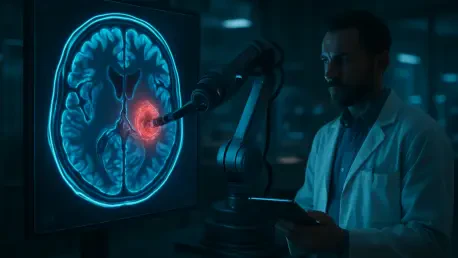
At the heart of this revolution lies an AI model that rivals the accuracy of seasoned radiologists in identifying brain abnormalities. Tested on a vast array of unseen MRI data, it excels at spotting conditions such as stroke and brain tumors with striking precision. This isn’t merely about matching human expertise; it’s about scaling that expertise to handle volumes no team could manage alone. The model’s ability to sift through scans rapidly offers a glimpse into a future where no abnormality slips through the cracks due to time constraints or human error.
Moreover, the training behind this AI sets it apart from conventional systems. Using a self-supervised learning approach, it was developed with over 60,000 existing MRI scans and radiology reports, teaching itself to recognize patterns without the need for painstaking manual labeling. This method slashes both time and cost, making the technology viable for widespread adoption. It’s a game-changer for hospitals that lack the resources to build custom datasets, paving a smoother path toward implementation.
Beyond raw detection, the practical applications are transformative. This AI doesn’t just identify issues; it triages scans by flagging urgent cases right after imaging, ensuring that life-threatening conditions get immediate attention. It also aids radiologists by suggesting findings and pulling up similar past cases for comparison—think of typing a term like “glioma” and instantly accessing relevant scans. These features streamline workflows, cut down on delays, and elevate the quality of care patients receive.
Expert Perspectives and Early Impacts
Voices from the forefront of this development stress that AI is a partner, not a competitor, to radiologists. A leading researcher behind the model notes, “This technology is built to amplify clinical decision-making, supporting doctors rather than sidelining them.” Initial trials in a major London hospital echo this sentiment, with feedback revealing a noticeable drop in time spent prioritizing urgent cases—some radiologists report up to a 30% efficiency gain. Such real-world insights highlight how seamlessly this tool can integrate into daily practice, boosting confidence among medical staff.
Hearing from those on the ground adds depth to the story. A radiologist involved in early testing shared that having an AI suggest potential oversights in reports felt like having a second set of eyes, reducing stress in high-pressure environments. This collaborative dynamic suggests that rather than creating distance, AI fosters a stronger synergy between human intuition and machine precision. It’s a balance that could redefine trust in diagnostic processes.
Strategies for Bringing AI into Hospitals
For this technology to reach its full potential, a deliberate rollout is crucial. Starting with pilot programs across diverse clinical settings can test the AI’s adaptability to varying patient groups and equipment types. Plans for a major UK-wide trial beginning in 2026 aim to do just that, gathering data on real-world performance. These small-scale initiatives will reveal strengths and gaps, ensuring the system is robust before it scales to larger networks.
Training is another vital piece of the puzzle. Equipping radiologists with the skills to collaborate with AI tools—understanding outputs, questioning suggestions, and maintaining oversight—builds a foundation of trust. Programs focused on this partnership can turn skepticism into acceptance, showing medical staff how to leverage the technology without feeling undermined. It’s about enhancing, not replacing, the human touch in diagnostics.
Additionally, prioritizing urgent case protocols will maximize immediate impact. By integrating AI to flag abnormalities the moment a scan is complete, hospitals can establish clear guidelines for reviewing critical cases first. This minimizes delays for conditions like stroke, where every hour counts. Coupled with the ability to retrieve past cases for reference, the system also becomes a learning tool, enriching diagnostic accuracy over time through shared knowledge.
Reflecting on a Milestone in Medical Progress
Looking back, the strides made in harnessing AI for brain abnormality detection marked a turning point for radiology. The journey from concept to a tool that matched expert accuracy was no small feat, addressing long-standing challenges like backlogs and delays with innovative precision. Hospitals that piloted the technology witnessed firsthand how it lightened workloads and sharpened focus on urgent care. As the path forward unfolded, the focus shifted to refining integration—ensuring every healthcare system, regardless of resources, could adopt this life-saving ally. The next steps involved rigorous testing and training to guarantee that this collaboration between machine and medic continued to evolve, ultimately transforming patient outcomes for the better.